
Anúncios
Struggling to hear your favorite music, podcasts, or video calls clearly? You’re not alone—many smartphone users don’t realize their device’s full audio potential.
Unlock Your Phone’s Maximum Audio Power
Access Expert Sound Tips
Whether you’re watching YouTube videos, enjoying music streaming, or taking important calls, having optimal volume levels makes all the difference. Modern smartphones come packed with audio capabilities that most users never fully explore or configure properly.
This comprehensive guide will walk you through proven methods to maximize your phone’s volume output, enhance sound quality, and ensure you never miss another word, beat, or important notification again.
🔊 Understanding Your Phone’s Audio Limitations
Before diving into optimization techniques, it’s essential to understand why your phone might not be as loud as you’d like. Manufacturers deliberately limit maximum volume levels for several important reasons.
Hearing protection regulations require smartphone makers to cap volume at safe levels, particularly when using headphones. The European Union, for instance, mandates specific decibel limits to prevent hearing damage. While this protects your ears, it can be frustrating when you genuinely need more volume in noisy environments.
Speaker hardware also plays a crucial role. The tiny speakers in smartphones face physical constraints—there’s only so much sound a small component can produce without distortion. Premium flagship phones typically feature better speakers than budget models, but even high-end devices have limitations.
Software processing adds another layer of complexity. Your phone’s operating system applies various audio filters, equalizers, and limiters that can reduce perceived loudness even when volume is maxed out.
📱 Native Settings Every User Should Adjust
Your smartphone already contains powerful built-in tools to boost audio output. These settings are often overlooked but can make an immediate difference.
Accessing Advanced Sound Settings on Android
Android devices offer extensive audio customization options. Navigate to Settings > Sounds and Vibration > Sound Quality and Effects to find hidden gems like equalizers, surround sound modes, and volume boosters.
Many Android manufacturers include their own audio enhancements. Samsung phones feature “Adapt Sound” technology that personalizes audio based on your hearing profile. OnePlus devices offer “Dolby Atmos” settings, while Google Pixels have “Adaptive Sound” that adjusts based on your environment.
Developer options unlock even more possibilities. Enable Developer Mode by tapping the build number seven times in About Phone, then explore audio codec settings and disable absolute volume control for potentially higher output through Bluetooth devices.
Maximizing iPhone Audio Performance
iOS devices take a different approach but offer equally powerful options. Head to Settings > Music > EQ to access preset equalizers. The “Late Night” preset compresses audio dynamics, making quieter sounds louder—perfect for boosting overall perceived volume.
Accessibility features provide unexpected audio boosts. Settings > Accessibility > Audio/Visual contains options like “Headphone Accommodations” that amplify soft sounds, adjust frequencies, and enhance clarity even when using the built-in speaker.
The “Phone Noise Cancellation” toggle can also impact volume perception during calls. Disabling it may increase clarity in certain situations, though it might also increase background noise.
🎧 Hardware Solutions That Actually Work
Sometimes software tweaks aren’t enough, and physical solutions deliver better results. Understanding your hardware options helps you make informed decisions.
External Bluetooth speakers represent the most straightforward solution. Portable options from brands like JBL, Anker, and Ultimate Ears offer dramatically superior volume and sound quality compared to phone speakers. Many are waterproof, durable, and provide 10+ hours of battery life.
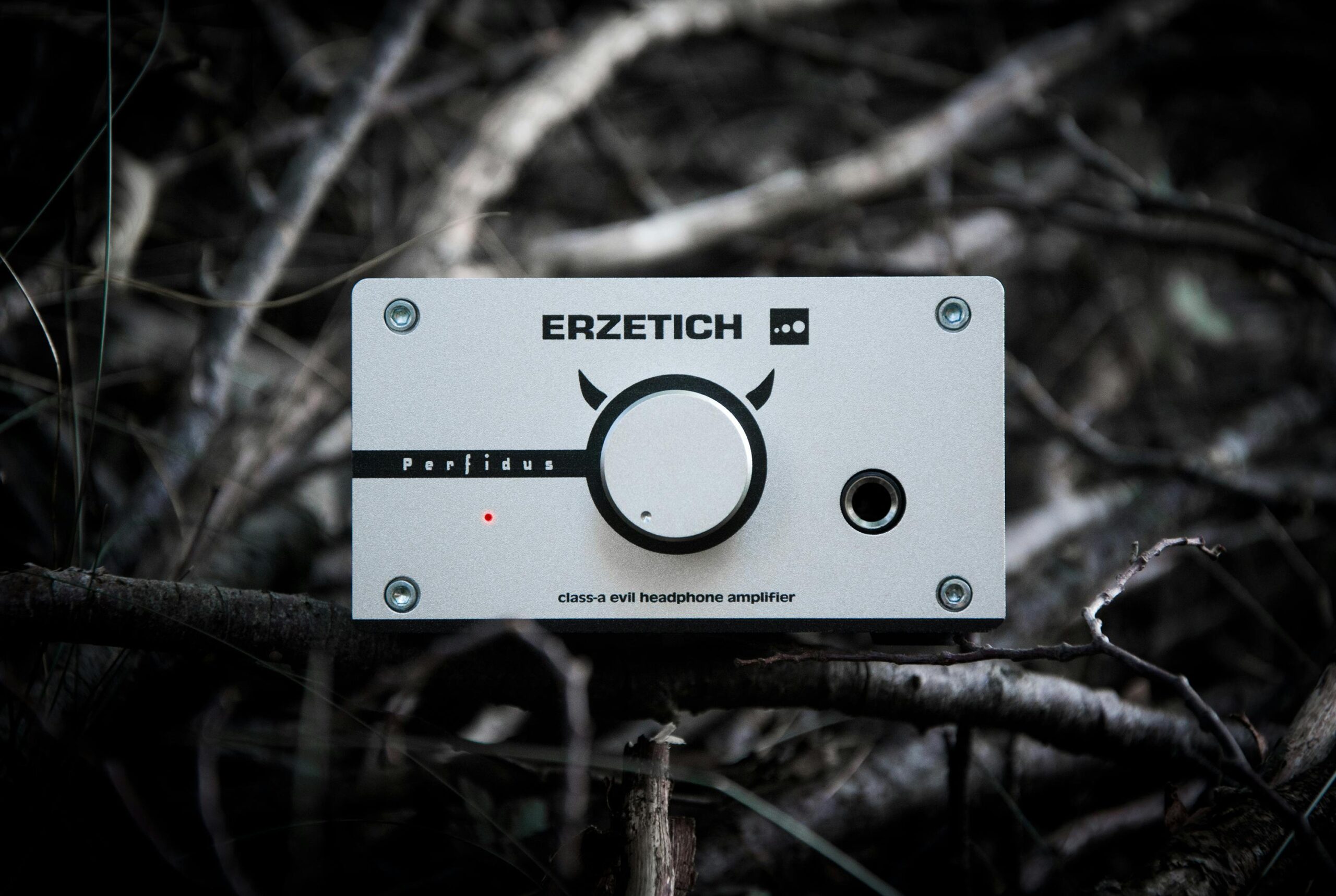
Headphone amplifiers might sound like overkill, but portable DAC (Digital-to-Analog Converter) amplifiers can significantly boost headphone volume while improving audio quality. Devices like the FiiO BTR5 or AudioQuest DragonFly connect via USB-C or Lightning and provide clean, powerful amplification.
Quality headphones and earbuds matter more than you think. High-sensitivity headphones require less power to achieve the same volume, meaning your phone can drive them louder. Look for headphones with sensitivity ratings above 100dB/mW for maximum efficiency.
🛠️ Third-Party Apps for Volume Enhancement
Specialized applications can push your phone’s audio beyond standard limits, though they require careful selection and use.
Top-Rated Volume Booster Apps for Android
Volume Booster GOODEV stands as one of the most popular options, with over 50 million downloads. It applies software amplification that can increase volume by 30-40% beyond system limits. However, use cautiously—excessive boosting causes distortion and potential speaker damage.
Equalizer FX offers comprehensive audio control including volume boost, bass enhancement, and customizable equalizer bands. The app works system-wide, affecting music, videos, games, and calls uniformly.
Precise Volume provides granular control with percentage-based volume adjustments rather than the standard 15-step volume scale. This allows fine-tuning that’s impossible with stock controls.
iOS Audio Enhancement Options
Apple’s strict App Store policies limit true system-wide volume boosting apps. However, certain applications still offer valuable enhancements.
Boom: Music Player & Equalizer provides a powerful 29-band equalizer with presets and a “3D Surround Sound” feature that enhances perceived volume and spatial audio quality. It works within its own music player interface.
Volume Booster – Music Equalizer focuses on media playback, offering amplification specifically for audio and video files played through the app. While not system-wide, it’s effective for content consumption.
🧹 Maintenance Tips for Maximum Audio Output
Physical maintenance significantly impacts your phone’s audio performance. Dirt, debris, and wear can dramatically reduce volume over time.
Speaker grille cleaning should be part of regular phone maintenance. Dust, lint, and pocket debris accumulate in speaker meshes, muffling sound output. Use a soft-bristled toothbrush or compressed air to gently clean speaker openings. Never use sharp objects that might damage the delicate mesh or components beneath.
Water damage affects audio quality even after phones “dry out.” If your device has been exposed to moisture, speakers may sound muffled or distorted. Placing your phone in rice is largely a myth—instead, use silica gel packets or professional drying services for best results.
Case interference is often overlooked. Some protective cases inadvertently block or muffle speakers. Test your phone’s volume with and without the case to identify if this is affecting performance. Consider cases specifically designed with acoustic channels that enhance rather than impede sound.
⚡ Advanced Tweaks for Tech-Savvy Users
For those comfortable with more technical modifications, additional options exist to maximize audio output.
Root and Jailbreak Solutions
Rooted Android devices gain access to system-level audio modifications impossible on standard phones. Apps like Viper4Android provide professional-grade audio processing including convolution reverb, dynamic bass enhancement, and headphone-specific tuning profiles.
Jailbroken iPhones can install tweaks like “Volume Amplifier” from Cydia repositories, bypassing Apple’s volume restrictions. However, both rooting and jailbreaking void warranties and create security vulnerabilities—proceed only if you understand the risks.
Custom ROM Audio Enhancements
Custom Android ROMs often include enhanced audio frameworks. LineageOS, Pixel Experience, and Paranoid Android frequently feature AudioFX improvements and higher volume ceilings than stock firmware. Installing custom ROMs requires technical knowledge and carries risks including potential device bricking.
🎵 Optimizing Audio for Specific Use Cases
Different scenarios require different optimization approaches for best results.
Music Streaming Perfection
Streaming services have built-in quality settings that affect both volume and clarity. Spotify, Apple Music, and YouTube Music offer “High Quality” or “Lossless” streaming options that preserve audio dynamics better than compressed formats.
Normalization settings can work against you. Spotify’s “Normalize Volume” feature reduces loud tracks to match quieter ones—disabling this in settings can increase peak volumes significantly.
Download for offline listening when possible. Streaming over poor connections forces apps to reduce quality dynamically, which can affect both volume and clarity.
Video Call Volume Enhancement
Video conferencing apps like Zoom, Teams, and Google Meet have independent volume controls. During calls, use in-app audio settings to maximize speaker output beyond phone system volume.
Bluetooth headsets designed for calls often provide better volume and clarity than phone speakers. Look for devices with dedicated call quality features and noise cancellation.
Speaker mode placement matters—positioning your phone in a corner or against a wall creates acoustic amplification through reflection, effectively increasing perceived volume without any settings changes.
🔒 Safety Considerations When Boosting Volume
While louder audio is desirable, protecting your hearing and device should remain priorities.
Hearing damage from excessive volume is cumulative and permanent. The WHO recommends limiting exposure to 85 decibels or higher. Most smartphones can exceed this level, especially with boosting apps. If you’re consistently using maximum volume, you’re likely risking long-term hearing loss.
Speaker damage occurs when you push components beyond their design limits. Distortion, crackling, or rattling sounds indicate you’ve exceeded safe levels. Continued use at these volumes can permanently damage speakers, requiring costly repairs.
Battery drain increases with volume—driving speakers at maximum output consumes significantly more power. If you’re frequently at max volume, expect reduced battery life throughout the day.
🌐 Environmental Factors Affecting Perceived Volume
Your surroundings dramatically impact how loud your phone seems, regardless of actual output levels.
Ambient noise in public spaces, traffic, or crowded areas naturally makes phones seem quieter. In these situations, noise-canceling headphones provide better results than simply cranking volume, as they reduce competing sounds rather than increasing output.
Acoustic environments change everything. Hard surfaces like bathroom tiles reflect sound, making your phone seem louder, while soft furnishings absorb audio, reducing perceived volume. Strategic positioning can make a significant difference without any settings changes.
Altitude and air pressure subtly affect sound propagation. While this won’t dramatically change your experience, it explains why audio might seem different when traveling or at different elevations.
💡 Troubleshooting Common Volume Issues
If your phone suddenly seems quieter than normal, several common culprits might be responsible.
Software updates occasionally reset audio settings or introduce bugs affecting volume. After major OS updates, revisit your sound settings to ensure preferences haven’t reverted to defaults.
Do Not Disturb mode and its variants can limit volume in unexpected ways. Check notification settings and ensure media volume isn’t being automatically reduced during certain hours.
Connected Bluetooth devices sometimes “steal” audio output even when you think you’ve disconnected. Check Bluetooth settings and forget unused devices to prevent automatic reconnection that routes sound to devices you’re not actively using.
App-specific volume bugs occur occasionally. If one particular app seems quiet while others play normally, try clearing the app’s cache, updating to the latest version, or reinstalling completely.
🎯 Creating Your Personal Audio Profile
The most effective volume optimization combines multiple strategies tailored to your specific needs and listening habits.
Start with built-in settings as your foundation—maximize these native options before adding third-party solutions. Enable any manufacturer-specific audio enhancements and test different equalizer presets to find what works best for your ears.
Layer selective app-based enhancements for specific use cases. Rather than applying aggressive system-wide boosting, use specialized apps only when needed for particular activities.
Invest in quality accessories where you spend the most time. If you primarily listen during commutes, prioritize excellent headphones. For home use, a quality Bluetooth speaker delivers better results than any phone optimization.
Regular maintenance ensures sustained performance. Monthly speaker cleaning and periodic settings reviews keep your audio setup performing optimally.
🚀 Future-Proofing Your Audio Experience
Smartphone audio technology continues evolving, with new features regularly enhancing capabilities.
Spatial audio and 3D sound processing are becoming standard features on flagship devices. These technologies can increase perceived volume and immersion even without higher decibel output.
AI-powered audio enhancement uses machine learning to optimize sound in real-time based on content type, environment, and even your hearing profile. Features like this are expanding from premium devices to mid-range phones.
When upgrading phones, prioritize audio specifications if volume and sound quality matter to you. Look for dual stereo speakers, higher wattage ratings, and support for high-resolution audio codecs.
The journey to optimal phone audio involves understanding your device’s capabilities, applying appropriate settings and apps, maintaining hardware properly, and knowing when external accessories provide better solutions than software tweaks. With the strategies outlined in this guide, you’ll never struggle to hear your phone clearly again—whether you’re enjoying entertainment, taking important calls, or simply need your alarm to actually wake you up. Remember that while louder is often better, protecting your hearing and device should always remain paramount. Find the balance that delivers clear, enjoyable audio without risking damage to your ears or equipment.
