
Anúncios
Traffic signs are essential tools that regulate road behavior, ensure safety, and guide drivers and pedestrians through complex transportation networks every single day.
Understanding Traffic Sign Categories
Visit Official DOT Resources
Traffic signs serve as the universal language of roads worldwide. Whether you’re driving through busy city streets or remote highways, these visual communication tools provide critical information that keeps everyone safe. Understanding their meanings isn’t just about passing a driving test—it’s about becoming a responsible participant in our shared transportation infrastructure.
From regulatory commands to helpful warnings and directional guidance, each sign category plays a distinct role. The standardized colors, shapes, and symbols work together to create an intuitive system that transcends language barriers and ensures consistent communication across different regions and countries.
🚦 The Three Primary Traffic Sign Categories
Traffic signs are organized into three fundamental categories, each with specific purposes and visual characteristics. This classification system helps drivers quickly identify the type of information being communicated and respond appropriately.
Regulatory Signs: The Rules of the Road
Regulatory signs establish the laws and regulations that drivers must follow. These signs carry legal weight, and violating their instructions can result in fines, points on your license, or even more serious consequences. They typically feature red, black, and white color schemes that command attention and convey authority.
The most recognizable regulatory sign is the octagonal red STOP sign. Its unique eight-sided shape ensures instant recognition, even when partially obscured by snow or vegetation. This design choice wasn’t arbitrary—studies showed that the octagon shape was most distinctive and easiest to recognize at various angles and distances.
Speed limit signs represent another critical regulatory category. These rectangular white signs with black lettering inform drivers of the maximum legal speed for specific road sections. Speed limits vary based on road type, area density, and safety considerations. School zones, residential areas, and construction sites typically have lower limits than highways and rural roads.
YIELD signs, with their distinctive downward-pointing triangle and red border, instruct drivers to slow down and give right-of-way to other vehicles or pedestrians. Unlike STOP signs, YIELD signs don’t require a complete halt if the intersection is clear, but drivers must be prepared to stop if necessary.
Warning Signs: Anticipating Road Hazards
Warning signs alert drivers to potential dangers ahead, giving them time to adjust speed or position before encountering hazardous conditions. These diamond-shaped yellow signs with black symbols or text are designed to catch attention without the commanding authority of regulatory signs.
Curve warning signs prepare drivers for upcoming bends in the road. The severity of the curve is sometimes indicated by advisory speed signs posted below the warning. Sharp curves, especially those following straight stretches, can catch drivers off-guard, making these warnings potentially life-saving.
Animal crossing signs warn of areas where wildlife frequently crosses roadways. Deer, elk, cattle, and other animals can appear suddenly, creating serious collision risks. These signs are particularly important during dawn and dusk hours when animal activity peaks and visibility decreases.
Work zone warnings signal construction areas ahead, where lane patterns may change, workers may be present, and road surfaces might be uneven. These temporary signs often feature orange backgrounds and are accompanied by reduced speed limits and additional cautionary signage.
Guide Signs: Navigation and Information
Guide signs provide directional information, distance notifications, and location details. Unlike regulatory signs, these don’t establish rules but rather help drivers navigate efficiently and make informed route decisions. They use various colors depending on the road type and information provided.
Green signs indicate highway directions, distances to destinations, and exit information. Blue signs point to motorist services like gas stations, restaurants, hospitals, and lodging. Brown signs highlight recreational areas, parks, historical sites, and tourist attractions.
🎨 The Psychology Behind Sign Colors and Shapes
The standardization of traffic sign colors and shapes isn’t accidental—it’s based on extensive research into human psychology, perception, and reaction times. Each color triggers specific cognitive responses that help drivers process information quickly while moving at high speeds.
Red universally signals prohibition, danger, or the need to stop. This color association exists across cultures and even appears in nature as a warning signal. Our brains are hardwired to respond to red with heightened alertness, making it perfect for STOP signs, yield instructions, and prohibition notices.
Yellow and orange indicate caution and warning. These high-visibility colors stand out against most natural backgrounds and quickly draw attention. Yellow warns of permanent hazards or conditions, while orange typically indicates temporary situations like construction zones.
Green suggests permission, safety, and guidance. On roads, green signs provide directional information and indicate that proceeding is allowed. This positive association helps drivers feel confident about following the indicated directions.
Blue designates motorist services and assistance. When drivers see blue signs, they know helpful amenities are nearby—gas, food, lodging, or medical facilities. This color choice creates a sense of support and security for travelers.
White backgrounds typically appear on regulatory signs, providing high contrast for black text or symbols. The stark contrast ensures readability under various lighting conditions and viewing distances.
🛑 Critical Regulatory Signs Every Driver Must Know
Certain regulatory signs appear so frequently and carry such importance that every licensed driver should recognize them instantly, even in challenging visibility conditions.
Stop and Yield Controls
STOP signs require drivers to come to a complete halt at the marked line, crosswalk, or intersection edge. “Complete halt” means the vehicle’s wheels must stop rotating—rolling through even slowly constitutes a violation. Drivers must remain stopped until they verify no conflicting traffic or pedestrians are present.
All-way stop intersections, marked with supplemental “4-WAY” or “ALL-WAY” plaques, require vehicles to proceed in the order they arrived. When multiple vehicles arrive simultaneously, right-of-way goes to the rightmost vehicle. This system prevents confusion and potential collisions at busy intersections.
Speed Regulations and Restrictions
Maximum speed limit signs set the highest legal speed under ideal conditions. However, drivers must adjust speeds below posted limits when weather, traffic, or road conditions warrant. Driving at the posted limit during heavy rain or fog can still be considered unsafe.
Minimum speed signs appear on highways where driving too slowly creates hazards. These signs ensure traffic flow remains consistent and prevents dangerous speed differentials between vehicles.
Movement and Turn Restrictions
NO TURN ON RED signs prohibit right turns at red lights, overriding the general permission to turn right after stopping. These signs typically appear where turning vehicles would conflict with pedestrians or opposing traffic patterns make turns dangerous.
ONE WAY signs indicate streets where traffic flows in only one direction. Entering a one-way street against traffic creates extreme collision risks and constitutes a serious violation. These signs appear at both ends of one-way streets and at intersecting points.
DO NOT ENTER signs mark roadways where entry is prohibited, such as exit ramps or the wrong direction of divided highways. These bold white rectangles with red circles and bars are among the most critical signs for preventing wrong-way crashes.
⚠️ Warning Signs That Prevent Accidents
Warning signs give drivers advance notice of conditions requiring increased attention, reduced speed, or specific precautions. Recognizing and responding to these signs appropriately can prevent countless accidents annually.
Road Condition Warnings
SLIPPERY WHEN WET signs alert drivers to surfaces that become particularly hazardous during rain. Bridge decks, certain pavement types, and road sections with poor drainage may freeze before other areas or become unusually slick when wet.
BUMP or DIP signs warn of vertical irregularities that could cause vehicles to become airborne or bottom out. These warnings are especially important for motorcyclists and drivers of low-clearance vehicles.
NARROW BRIDGE signs indicate constricted roadways ahead where lane width decreases. Large vehicles may need to slow significantly or position themselves carefully to navigate safely.
Intersection and Traffic Pattern Warnings
MERGE signs alert drivers that lanes will combine ahead. Merging traffic must yield to vehicles already in the continuing lane, but courteous zipper merging—where vehicles alternate entry—keeps traffic flowing smoothly.
DIVIDED HIGHWAY BEGINS/ENDS signs notify drivers of changing road configurations. When divided highways end, drivers must be prepared for oncoming traffic and avoid inadvertently entering the wrong lane.
TRAFFIC SIGNAL AHEAD warnings appear where signals might be unexpected, such as on rural highways or after long stretches without controls. These signs help prevent rear-end collisions when lead vehicles brake for red lights.
Pedestrian and Bicycle Warnings
PEDESTRIAN CROSSING signs mark designated crossing areas and require drivers to yield to pedestrians. Enhanced versions include flashing beacons activated by crossing pedestrians to increase visibility.
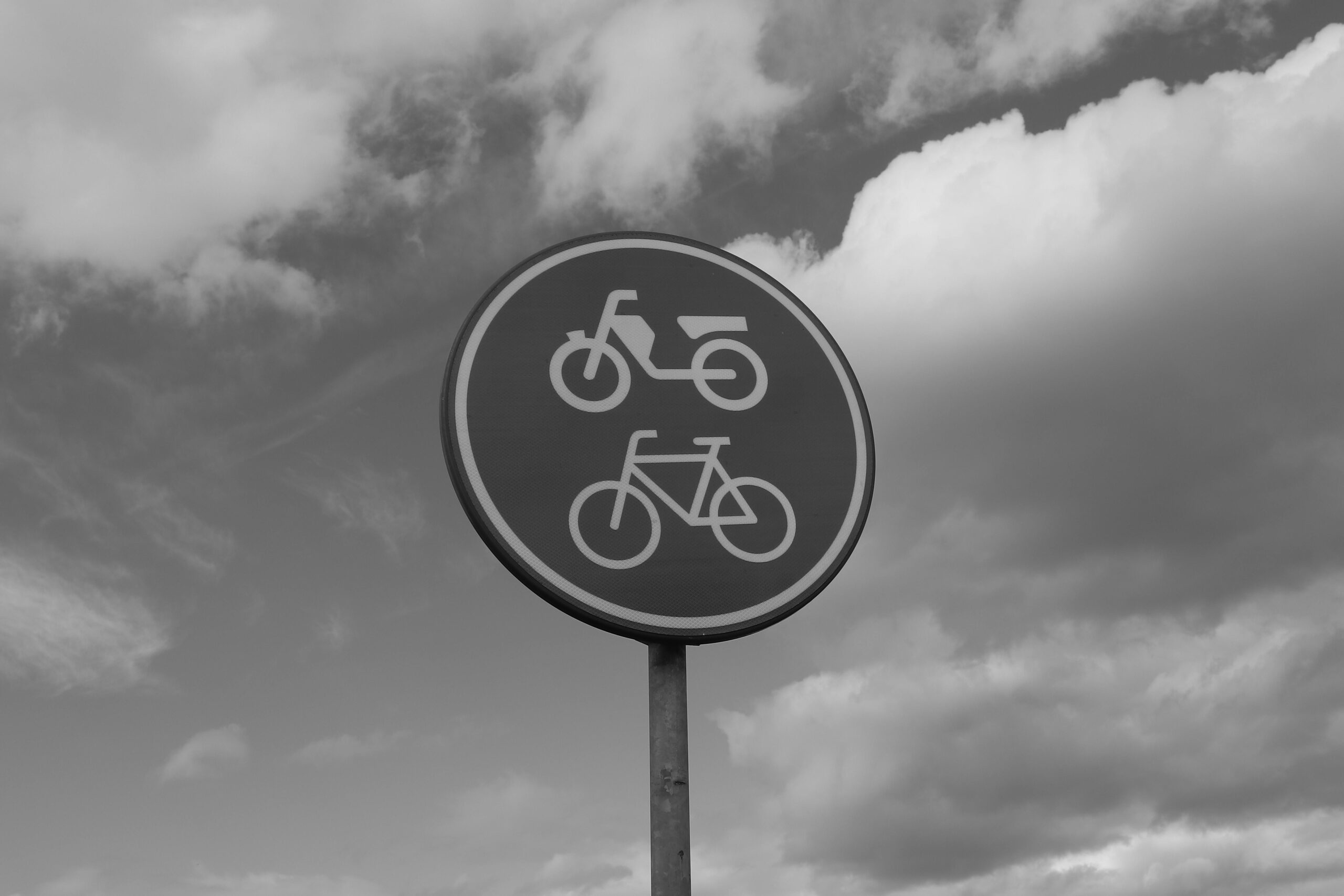
BICYCLE ROUTE and SHARE THE ROAD signs remind motorists that cyclists have legal rights to use roadways. These warnings are particularly important on winding roads or areas with limited visibility where cyclists might appear suddenly.
🗺️ Guide Signs for Efficient Navigation
Guide signs help drivers reach destinations efficiently while providing useful information about services and points of interest along the way.
Interstate and Highway Markers
Interstate shields display route numbers for major highways. Even-numbered interstates generally run east-west, while odd numbers indicate north-south routes. Three-digit interstate numbers identify bypass routes (even first digit) or spur routes (odd first digit) around or into cities.
Mile markers help identify exact locations along highways for navigation and emergency response. These small green signs typically appear every mile, with numbers increasing from west to east or south to north.
Exit Information and Advance Notice
EXIT signs provide crucial advance warning about upcoming departures from highways. The sequence typically begins with advance notice signs indicating exits in two miles, one mile, and at the exit itself. This progression gives drivers ample time to safely change lanes and prepare to exit.
Exit numbers usually correspond to mile markers, helping drivers gauge distances between exits and identify their location along the route.
Service and Amenity Signs
Blue service signs indicate nearby facilities including gas stations, food, lodging, and hospitals. These signs help travelers plan stops and locate necessary services without aimless searching or unsafe navigation decisions while driving.
REST AREA signs notify drivers of upcoming facilities where they can safely stop to rest, use facilities, or consult maps. Regular breaks during long drives significantly reduce fatigue-related accidents.
🌍 International Traffic Sign Differences and Similarities
While traffic sign principles remain consistent globally, specific designs vary by country and region. Understanding these variations helps travelers navigate unfamiliar roads safely.
The Vienna Convention on Road Signs and Signals established international standards adopted by most countries. This agreement standardized shapes, colors, and basic symbols to facilitate international travel and reduce confusion.
European signs typically use more pictograms and fewer words than American signs, reflecting the multilingual nature of the continent. Speed limits appear in kilometers per hour rather than miles per hour, requiring mental conversion for travelers accustomed to imperial measurements.
Some countries use unique signs not found elsewhere. Japan’s “Beware of Wildlife” signs might show monkeys or wild boar instead of deer. Australia’s kangaroo crossing signs are iconic examples of region-specific warnings.
📚 Learning and Remembering Traffic Signs Effectively
Mastering traffic sign recognition requires more than memorizing individual signs—it involves understanding the systematic logic behind their design and classification.
Focus first on shapes, as these provide instant category identification even before reading text or examining symbols. Octagons always mean stop, triangles indicate yield, diamonds warn of hazards, and rectangles provide regulations or guidance.
Color associations form the second layer of quick identification. Red commands attention and indicates prohibition or stopping. Yellow warns of hazards. Green guides and directs. Blue offers services. This color coding works even for drivers with partial color blindness due to accompanying shapes and contrast levels.
Practice recognizing signs during everyday driving. Call out signs you see and verify their meanings. This active engagement reinforces memory far better than passive reading.
Study sign meanings in context rather than isolation. Understanding why a particular sign appears in specific locations helps create mental associations that strengthen recall.
🚗 Common Sign-Related Violations and How to Avoid Them
Many traffic violations stem from drivers failing to properly observe or respond to signage. Understanding common mistakes helps prevent both citations and accidents.
Rolling stops at STOP signs represent one of the most frequent violations. Many drivers slow considerably but don’t completely halt, especially when they believe no conflicting traffic exists. Law enforcement officers can easily observe rolling stops, and the violation carries fines and points in most jurisdictions.
Speeding violations often result from drivers not noticing speed limit changes. Speed limits frequently decrease approaching residential areas, school zones, or construction sites. Reduced limits deserve extra attention, as the penalties for speeding in these areas typically increase.
Ignoring temporary signs in work zones creates serious safety risks. Construction signs may indicate lane shifts, reduced speeds, or workers present. These temporary installations carry the same legal weight as permanent signage.
Misunderstanding right-of-way at yield signs causes numerous intersection accidents. YIELD means preparing to stop and giving priority to conflicting traffic—not simply slowing slightly while proceeding through.
🔮 The Future of Traffic Signage
Traffic sign technology continues evolving to improve visibility, communication effectiveness, and integration with vehicle systems.
Digital signs with LED displays now provide real-time information about traffic conditions, amber alerts, or changing speed limits based on weather and congestion. These adaptable systems respond to conditions more effectively than static signs.
Reflective materials have advanced significantly, improving nighttime visibility without requiring electrical power. Modern retroreflective sheeting returns light directly toward its source, making signs dramatically brighter in headlight beams.
Connected vehicle technology may eventually allow cars to receive sign information directly, displaying warnings and regulations on dashboard screens or heads-up displays. This system could provide earlier warnings and ensure drivers don’t miss critical information.
Augmented reality systems might overlay sign information onto windshields or smart glasses, highlighting relevant signs and providing contextual information without requiring drivers to divert attention from the road.
✅ Practical Tips for Sign Awareness
Developing strong sign awareness habits improves safety and reduces stress while driving.
- Scan ahead constantly: Look beyond the vehicle immediately in front of you to spot signs early and prepare appropriate responses.
- Reduce dashboard distractions: GPS devices and entertainment systems compete for attention with roadside signs. Prioritize external visual information.
- Adjust speed for sign reading: If unfamiliar with an area, slightly reduced speeds provide more time to process signage.
- Pay extra attention at twilight: The transition between daylight and darkness makes some signs harder to see before vehicle lights fully illuminate them.
- Don’t rely solely on GPS: Technology fails occasionally. Maintain sign-reading skills as a backup navigation method.
- Review signs when traveling: Different regions may use signs you’ve never encountered. Take time to understand unfamiliar signage.
- Teach passengers to help: Additional observers can spot signs the driver might miss, especially in unfamiliar or complex traffic situations.
🎯 Making Sign Knowledge Part of Safe Driving Culture
Traffic signs represent collective agreements about road behavior. When every driver understands and respects signage, traffic flows smoothly, conflicts decrease, and roads become safer for everyone.
Parents teaching teen drivers should emphasize sign recognition as a foundational skill, not just test material to memorize. Regular discussions about sign meanings during family drives reinforce learning and demonstrate that experienced drivers continually process sign information.
Refreshing sign knowledge periodically benefits all drivers, not just beginners. Sign designs occasionally change, new signs are introduced, and memory fades without reinforcement. Taking a few minutes annually to review sign meanings keeps knowledge current and comprehensive.
Community awareness about traffic signs extends beyond individual driver responsibility. Residents can report damaged, obscured, or missing signs to local transportation departments. Properly maintained signage benefits entire communities by preventing accidents and confusion.
Understanding traffic signs transforms them from mysterious symbols into a sophisticated communication system that guides millions of safe journeys daily. This knowledge empowers drivers to navigate confidently, respond appropriately to changing conditions, and contribute to safer roads for everyone. Whether you’re a new driver memorizing signs for your first license test or an experienced motorist refining your skills, recognizing that each sign serves a specific safety purpose helps create the respectful, attentive driving culture our roads require.
