
Anúncios
Learning to become a professional mechanic has never been more accessible thanks to mobile technology. With the right apps, you can master automotive repair skills from anywhere, at your own pace.


The automotive industry is experiencing a digital revolution, and professional training is no exception. Traditional mechanic schools still have their place, but mobile applications are democratizing access to quality automotive education. These digital tools offer interactive tutorials, diagnostic simulations, and comprehensive repair guides that fit in your pocket.
Whether you’re a complete beginner dreaming of opening your own garage or an experienced DIY enthusiast looking to upgrade your skills to professional standards, mechanic training apps provide structured learning paths. They combine video demonstrations, augmented reality features, and real-world problem-solving exercises that mirror the challenges you’ll face under the hood.
📱 Why Mobile Apps Are Transforming Mechanic Training
The shift toward app-based learning in automotive repair reflects broader changes in vocational education. Unlike traditional classroom settings with fixed schedules and limited equipment access, mobile applications offer unprecedented flexibility. You can study brake system diagnostics during your lunch break, review engine timing procedures before bed, or practice electrical troubleshooting while waiting at the DMV.
Cost represents another significant advantage. Conventional mechanic schools can charge thousands of dollars per semester, not including tools and materials. Quality training apps typically cost between $10 and $50 monthly, with some offering lifetime access for a one-time fee. This pricing structure makes professional-grade automotive education accessible to people who might otherwise be priced out of the field.
Modern mechanic apps leverage technologies that weren’t available even five years ago. Augmented reality features let you point your phone at an engine component and see exploded diagrams, torque specifications, and step-by-step repair instructions overlaid on the real object. Video content has evolved from grainy clips to 4K demonstrations with multiple camera angles, close-ups of critical procedures, and expert commentary.
🔧 Essential Features in Professional Mechanic Training Apps
Not all automotive apps are created equal. The best platforms for aspiring professional mechanics include several core features that distinguish them from basic car maintenance guides. Understanding these elements helps you choose applications that will genuinely advance your career rather than just provide surface-level information.
Comprehensive Diagnostic Training
Professional mechanics spend much of their time diagnosing problems rather than simply replacing parts. Top-tier training apps include interactive diagnostic trees that teach systematic troubleshooting. You learn to interpret symptoms, use diagnostic equipment, read error codes, and apply logical reasoning to identify root causes rather than just swapping components until something works.
These diagnostic modules often include simulated scenarios where you must identify problems based on customer descriptions, test results, and visual inspections. The best apps provide feedback on your diagnostic process, explaining why certain approaches work better than others and helping you develop the critical thinking skills that separate professional mechanics from parts-changers.
System-Specific Deep Dives
Professional competence requires detailed knowledge of individual automotive systems. Quality training apps organize content by system—engine management, transmission, braking, electrical, HVAC, suspension, and more. Each section should progress from fundamental principles through advanced diagnostics and repair procedures.
For example, an electrical system module might start with basic circuit theory, advance through multimeter usage and wiring diagram interpretation, then cover computer network diagnostics for modern vehicles with multiple electronic control units. This structured progression ensures you build foundational knowledge before tackling complex repairs.
Certification Preparation Resources
Most professional mechanics pursue ASE (Automotive Service Excellence) certification or equivalent credentials in their region. The best training apps include practice tests, study guides, and focused content aligned with certification exam objectives. This integration means you’re not just learning random automotive facts—you’re systematically preparing for recognized credentials that enhance employability and earning potential.
🎓 Building Your Learning Path from Beginner to Professional
Transforming from automotive novice to professional mechanic through app-based learning requires strategic planning. Random exploration of topics might satisfy curiosity, but structured progression develops marketable skills efficiently. Most successful self-taught mechanics follow a general sequence that builds knowledge systematically.
Foundation Phase: Understanding How Cars Work
Begin with comprehensive overview content that explains how major automotive systems function. You need conceptual understanding before diving into repair procedures. Learn how internal combustion engines convert fuel into motion, how transmissions multiply torque, how braking systems convert kinetic energy into heat, and how electrical systems power vehicle functions.
Quality apps present this foundational material through animations, cutaway diagrams, and simplified explanations before introducing technical terminology. Expect to spend 2-3 months on this phase if you’re starting from scratch, studying 30-60 minutes daily. Don’t rush—this conceptual foundation makes everything else easier.
Skills Development: Hands-On Procedures
After understanding systems conceptually, focus on practical procedures. Start with maintenance tasks like oil changes, filter replacements, fluid checks, and tire rotations. These routine services introduce you to working safely under vehicles, using basic tools correctly, and following systematic procedures.
Progress to component replacement—brake pads, batteries, alternators, starters, thermostats, and sensors. These repairs teach you to disconnect and reconnect systems without causing collateral damage. Apps with video demonstrations prove invaluable during this phase, showing hand positions, tool techniques, and common mistakes to avoid.
Professional Refinement: Diagnostics and Complex Repairs
The transition to professional-level competence happens when you master diagnostics and complex system repairs. This phase involves learning to use professional diagnostic equipment, interpreting sensor data, understanding manufacturer-specific systems, and performing repairs that require specialized knowledge.
Focus areas include engine performance diagnosis, transmission issues, electrical system troubleshooting, and computer network problems in modern vehicles. These skills typically require 6-12 months of focused study and practice, even with excellent app-based instruction. The best learning happens when you combine app education with hands-on practice on actual vehicles.
🛠️ Complementing App Learning with Real-World Experience
Even the best training apps cannot fully replace hands-on experience with actual vehicles. The most effective learning strategy combines digital instruction with practical application. Several approaches help you gain real-world experience while using apps as your primary educational resource.
Start by working on your own vehicle or those of family and friends. Perform the maintenance and repairs you’re learning about in your apps. This practice reinforces theoretical knowledge and helps you develop muscle memory for tool usage and procedure execution. Document your work with photos and notes, creating a personal portfolio of completed repairs.
Consider seeking part-time work at quick-lube shops, tire centers, or general repair facilities. These entry-level positions provide supervised practice opportunities while you continue app-based learning. The combination of structured digital education and workplace mentorship accelerates skill development significantly.
Another valuable approach involves volunteering for organizations that repair vehicles for low-income individuals or offering discounted services to friends and community members as you build skills. These real-world experiences teach you to handle unexpected complications, work within time constraints, and interact with customers—skills that apps alone cannot develop.
💡 Specialized Knowledge Areas for Career Advancement
As you develop core mechanic competencies, specialization can enhance career prospects and earning potential. The automotive field includes numerous specialties, each with distinct knowledge requirements. Training apps increasingly offer specialized content that prepares you for niche markets within the broader mechanic profession.
Electric and Hybrid Vehicle Technology
Electric vehicles represent the industry’s future, and mechanics with EV expertise command premium compensation. Specialized training apps cover high-voltage safety procedures, battery system diagnostics, electric motor principles, regenerative braking systems, and charging infrastructure. This knowledge positions you for growth in an expanding market segment.
Performance and Modification
The aftermarket performance industry offers opportunities for mechanics interested in engine tuning, suspension modification, forced induction systems, and custom fabrication. Apps focused on performance work teach dyno tuning, ECU programming, turbocharger installation, and chassis setup—skills that appeal to enthusiasts willing to pay premium rates for expert service.
Diesel Engine Specialization
Diesel technology differs significantly from gasoline engine systems. Specialized training in diesel injection systems, emissions equipment, turbocharger maintenance, and heavy-duty components opens opportunities in commercial vehicle repair, marine mechanics, and equipment service—sectors often facing technician shortages.
📊 Tracking Your Progress Toward Professional Status
Self-directed learning requires diligent progress tracking to ensure you’re developing complete competency rather than just accumulating random knowledge. Most quality training apps include built-in progress tracking, but supplementing these tools with personal documentation creates a comprehensive record of your development.
Maintain a learning journal documenting topics studied, procedures practiced, and vehicles worked on. Record challenges encountered and solutions discovered. This journal becomes a valuable reference and demonstrates your commitment to continuous learning when seeking employment or building a customer base.
Create a skills checklist based on ASE certification task lists or job descriptions for positions you’re targeting. Regularly assess your competency in each area using honest self-evaluation. This approach identifies knowledge gaps and ensures balanced skill development across all automotive systems.
Set measurable milestones—completing specific app modules, successfully diagnosing particular problems, earning certification exam passing scores on practice tests, or performing repairs within industry-standard time frames. These concrete goals maintain motivation during the months-long journey from beginner to professional.
🚗 Overcoming Common Challenges in App-Based Mechanic Training
Despite numerous advantages, learning automotive repair primarily through apps presents certain challenges. Recognizing these obstacles and implementing strategies to address them increases your likelihood of success in becoming a professional mechanic through digital education.
Limited Tactile Feedback
Videos and animations cannot replicate the feel of torque, the resistance of seized fasteners, or the texture differences between healthy and worn components. Overcome this limitation by actively seeking hands-on practice opportunities as frequently as possible. Even simple tasks like removing and reinstalling components on non-functioning engines provide valuable tactile experience.
Lack of Immediate Expert Feedback
Traditional education includes instructors who observe your work and provide immediate correction. When learning from apps, mistakes might go unnoticed until they cause problems. Mitigate this by joining online mechanic communities where experienced professionals answer questions, review your approach to problems, and offer guidance. Many training apps include community forums or direct access to instructor support.
Motivation and Discipline Requirements
Self-directed learning demands consistent effort without external accountability. Combat motivation lapses by establishing regular study schedules, connecting with learning partners who share your goals, and regularly reviewing your progress toward becoming a professional mechanic. Treat your app-based education with the same seriousness you would traditional schooling.
💼 Transitioning from App Learning to Professional Employment
Completing training apps and developing skills represents only part of becoming a professional mechanic—you must also successfully enter the workforce or establish your own business. This transition requires strategic planning and effective presentation of your self-directed education.
Build a portfolio documenting repairs you’ve completed, including before-and-after photos, problem descriptions, diagnostic procedures used, and solutions implemented. This tangible evidence of practical ability compensates for the lack of traditional credentials when approaching potential employers or customers.
Pursue industry certifications even without formal schooling. ASE and manufacturer certifications validate your knowledge through standardized testing. Many employers value these credentials more than educational pedigree, making them essential for self-taught mechanics entering the professional market.
Consider starting with mobile mechanic services or specialized niche work rather than seeking employment at established shops. These paths let you build a reputation and income while continuing to develop skills. Success stories in independent work can later transition into shop employment or expansion of your own business.
Network within automotive communities—online forums, local car clubs, and industry events. Personal connections often lead to opportunities that never appear in job listings. Your story of self-directed learning through apps can actually work to your advantage, demonstrating initiative, dedication, and modern technical literacy.
🔮 The Future of Mobile Mechanic Education
Technology continues advancing rapidly, and mechanic training apps evolve accordingly. Understanding emerging trends helps you choose platforms that will remain relevant and valuable throughout your career development. Several innovations are reshaping how aspiring mechanics learn their trade through mobile devices.
Artificial intelligence integration enables personalized learning paths that adapt to your progress, strengths, and weaknesses. These systems identify knowledge gaps and adjust content presentation to optimize your learning efficiency. AI-powered apps can also provide instant feedback on diagnostic approaches and repair procedures, partially addressing the mentor gap in self-directed learning.
Virtual reality implementations create immersive training environments where you can practice procedures on photorealistic vehicle models before touching actual cars. These simulations include physics-based interactions that replicate the feel of real mechanical work far better than traditional video instruction. As VR headsets become more affordable, these experiences will become standard features in professional-grade training apps.
Expanded community features transform individual learning into collaborative education. Live mentoring sessions, peer review of diagnostic approaches, and real-time problem-solving assistance create social learning experiences that rival traditional classroom environments. These connections also provide networking opportunities valuable for career development.
✅ Making the Commitment to Professional Excellence
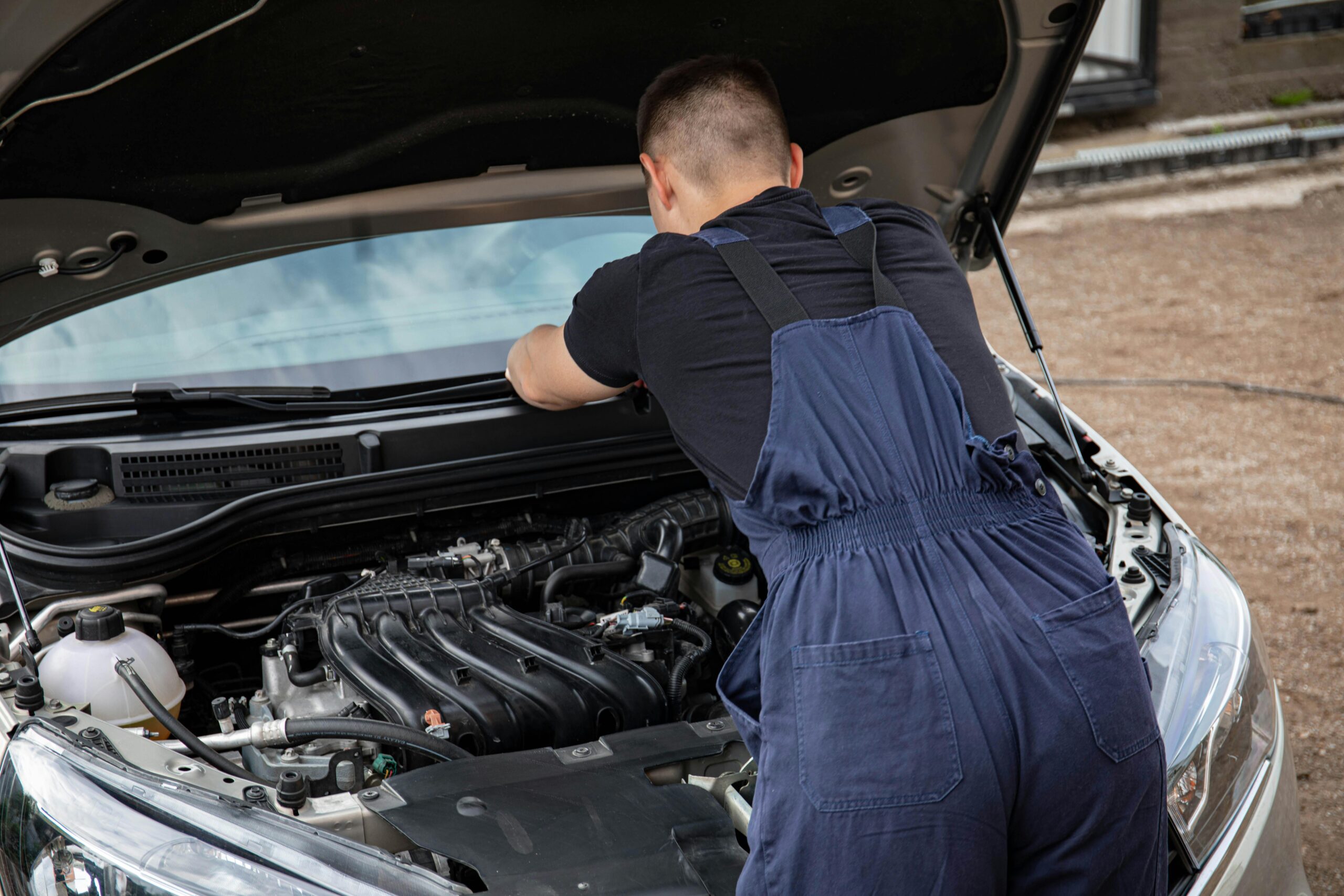
Becoming a professional mechanic through app-based learning is entirely achievable, but it requires genuine commitment over an extended period. Success demands more than casual engagement with training content—it requires systematic study, persistent practice, and continuous improvement over months or years.
The automotive industry needs skilled technicians, and self-directed learning through quality apps provides a legitimate path into this rewarding career. Your success depends on choosing comprehensive training platforms, supplementing digital education with hands-on experience, pursuing recognized certifications, and maintaining dedication throughout the learning journey.
The mechanics who thrive in coming decades will be those who embrace continuous learning, adapt to evolving vehicle technology, and leverage digital tools for skill development. Starting your professional journey with app-based training positions you perfectly for this future, combining technical competence with the digital literacy that defines modern automotive service.
Your phone contains everything needed to begin this transformation today. The question isn’t whether app-based learning can make you a professional mechanic—it’s whether you’re ready to commit to the focused effort required to turn that potential into reality. The tools are available, the path is proven, and the opportunities await those willing to pursue them with dedication and persistence.
