
Anúncios
Your smartphone isn’t just a calling device—it’s a portable studio capable of delivering studio-grade audio experiences. Let’s unlock that hidden potential together.
Transform Your Mobile Audio Experience

Explore Professional Tools
Modern smartphones pack incredible audio capabilities that most users never fully explore. From hi-res audio playback to professional recording features, your device holds remarkable power in your pocket. The challenge isn’t the technology—it’s understanding how to harness it effectively.
Whether you’re a music enthusiast, content creator, or simply someone who appreciates quality sound, mastering your smartphone’s audio features can dramatically enhance your daily experience. The journey from basic listening to audiophile-level enjoyment requires just a few strategic adjustments and the right knowledge.
🎧 Understanding Your Smartphone’s Audio Architecture
Every smartphone contains a sophisticated audio processing system that converts digital signals into the sounds you hear. The Digital-to-Analog Converter (DAC) sits at the heart of this system, transforming binary code into analog waves your ears can perceive. Premium devices often feature dedicated audio chips from manufacturers like ESS Sabre or Cirrus Logic, delivering superior sound quality compared to integrated processors.
The quality of your audio experience depends on several interconnected components. Your phone’s internal amplifier drives power to your headphones or speakers, while digital signal processing (DSP) applies equalization, spatial effects, and volume normalization. Understanding these elements helps you make informed decisions about accessories and settings that complement your device’s strengths.
Codec Support Makes the Difference
Audio codecs determine how efficiently your device transmits wireless sound. Standard Bluetooth uses the SBC codec, which compresses audio significantly and introduces latency. Advanced codecs like aptX HD, LDAC, and AAC provide near-lossless transmission, preserving detail and reducing lag. Check your phone’s specifications to understand which codecs it supports—this knowledge directly impacts your accessory choices.
LDAC stands out as Sony’s contribution to high-resolution wireless audio, capable of transmitting at 990 kbps compared to SBC’s 328 kbps. This tripled bandwidth means richer bass response, clearer treble definition, and better instrument separation. However, both your phone and headphones must support LDAC to benefit from this technology.
🔊 Optimizing Built-In Speaker Performance
Your smartphone’s speakers deserve attention even if you primarily use headphones. Many flagship devices now feature stereo speaker configurations with impressive dynamic range. Positioning matters tremendously—holding your phone in landscape mode with both hands often blocks speaker grills, muffling output and reducing clarity.
Software equalizers can compensate for the physical limitations of tiny speakers. Most Android devices include system-wide EQ settings, while iOS users can access equalizers within Apple Music. Boosting mid-range frequencies (500Hz-2kHz) enhances vocal clarity for podcasts and calls, while reducing excessive bass prevents distortion at higher volumes.
Environmental Acoustics Impact
Hard surfaces reflect sound waves, amplifying volume and changing tonal characteristics. Placing your phone in the corner of a room creates a natural bass boost through boundary reinforcement. Conversely, soft furnishings absorb sound, producing a more balanced but quieter output. Experiment with placement to find optimal listening positions in different spaces.
🎵 Mastering Wired Audio Connections
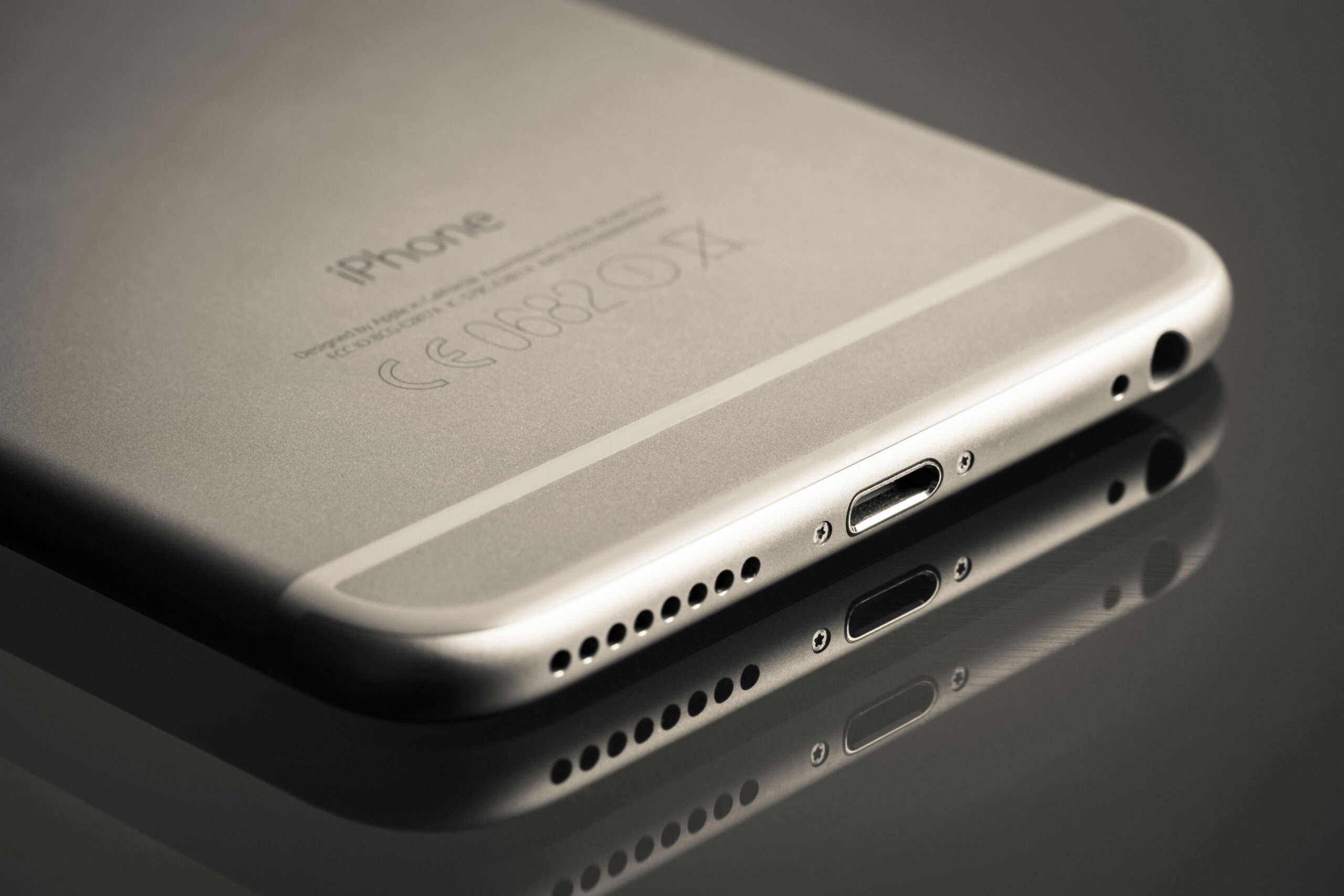
Despite the wireless trend, wired connections still offer unmatched audio fidelity. The 3.5mm headphone jack provides analog output free from compression artifacts, delivering the purest representation of your audio files. For devices lacking this port, USB-C and Lightning connections support digital audio with dedicated external DACs providing superior performance.
Impedance matching between your phone and headphones significantly affects sound quality. Consumer earbuds typically feature 16-32 ohm impedance, matching smartphone output capabilities. Professional headphones with 80+ ohm ratings may sound quiet or lack dynamic punch without additional amplification. Portable headphone amplifiers bridge this gap, unlocking the full potential of high-impedance drivers.
Cable Quality Actually Matters
While audiophile cable claims often venture into placebo territory, basic cable integrity genuinely impacts performance. Damaged cables introduce crackling, channel imbalance, and intermittent connections. Quality cables feature proper shielding that prevents electromagnetic interference from your phone’s radio components. Gold-plated connectors resist oxidation, maintaining consistent contact over time.
📱 Wireless Audio Without Compromise
Bluetooth technology has evolved dramatically, with version 5.3 offering improved stability, extended range, and better power efficiency. True Wireless Stereo (TWS) earbuds now deliver latency as low as 40ms, making them viable for video watching and mobile gaming. Multipoint connectivity allows seamless switching between devices, essential for those juggling work and personal phones.
Adaptive audio technologies automatically adjust codec selection based on connection quality and battery levels. When signal strength weakens, your device might downgrade from aptX Adaptive to standard aptX, preserving connection stability at the cost of slight quality reduction. This intelligent management prevents the frustrating dropouts that plagued earlier Bluetooth generations.
Battery Life Optimization
High-quality codecs consume more power from both your phone and wireless earbuds. LDAC at maximum quality drains batteries approximately 30% faster than standard SBC transmission. Most devices allow codec priority adjustment in developer settings—balancing between quality and endurance based on your immediate needs extends usability throughout demanding days.
🎚️ Software Enhancement Tools
Third-party applications unlock advanced audio processing capabilities beyond stock settings. Poweramp for Android offers a 10-band graphic equalizer, gapless playback, and hi-res output up to 384kHz. Neutron Player provides parametric EQ, sophisticated filtering, and native DSD support for audiophile-grade files. iOS users benefit from apps like Equalizer Anywhere and Boom, which apply system-wide enhancements.
Spatial audio creates immersive three-dimensional soundscapes through psychoacoustic processing. Apple’s implementation uses head tracking to maintain consistent audio positioning as you move. Android alternatives like Dolby Atmos and DTS:X deliver similar effects without motion sensors, using HRTF (Head-Related Transfer Function) algorithms to simulate directional sound cues.
Streaming Service Settings
Major streaming platforms offer quality tiers that dramatically affect listening experiences. Spotify’s “Very High” quality streams at 320 kbps Ogg Vorbis, while Premium users can enable high-quality streaming and downloads. Tidal offers Master Quality Authenticated (MQA) files claiming studio-master resolution, though the format remains controversial among audio engineers.
Apple Music provides lossless audio at no additional cost, streaming ALAC files at up to 24-bit/192kHz. However, wireless connections cannot transmit true lossless audio—Bluetooth codecs apply compression regardless of source quality. Reserve lossless streaming for wired listening sessions where you can genuinely appreciate the enhanced detail and dynamic range.
🎤 Recording and Content Creation
Smartphone microphones have evolved into legitimate recording tools. Computational audio uses multiple microphones and AI processing to isolate voices, reduce wind noise, and create directional pickup patterns. Apps like Ferrite and Voice Record Pro offer professional editing features including noise reduction, normalization, and multi-track mixing directly on your device.
External microphones expand creative possibilities enormously. USB-C and Lightning-compatible options range from lavalier mics for interviews to shotgun microphones for video production. The Shure MV88+ delivers adjustable stereo width and preset modes for different scenarios, while Rode’s VideoMic Me provides broadcast-quality directional recording at consumer prices.
Acoustic Treatment for Mobile Recording
Recording environment drastically influences output quality. Hard walls create echoes and standing waves that muddy recordings. Simple improvements like recording in closets (where hanging clothes absorb reflections) or positioning yourself near soft furnishings yield cleaner results. Windscreens or foam covers prevent plosive sounds when speaking directly into microphones.
🔋 Power Management for Audio Enthusiasts
Intensive audio processing taxes battery life significantly. Hi-res playback with sophisticated EQ processing can consume 15-20% more power than standard streaming. Background audio apps prevent deep sleep states, maintaining processing readiness at the cost of idle efficiency. Managing these demands requires strategic compromises based on usage patterns.
Dedicated music players with offline libraries reduce power consumption compared to streaming services that maintain constant data connections. Downloading playlists over Wi-Fi for offline playback eliminates cellular radio power draw while preserving audio quality. Battery saver modes often downsample audio output—disable them during critical listening sessions for optimal performance.
🛠️ Advanced Customization Techniques
Developer options unlock hidden audio settings on Android devices. USB audio routing allows bypassing internal audio processing entirely, sending bit-perfect digital streams to external DACs. Sample rate switching automatically adjusts output frequency to match source material, preventing unnecessary resampling that can introduce artifacts.
Root access or jailbreaking enables even deeper modifications, though these approaches void warranties and introduce security risks. Audio driver replacements like Viper4Android provide extensive sound shaping options including convolver reverb, stereo widening, and analog warmth simulation. Proceed cautiously—improper settings can damage speakers or headphones through excessive equalization.
Creating Personal Sound Profiles
Hearing varies significantly between individuals due to genetics, age, and noise exposure. Some manufacturers offer hearing tests that generate personalized audio profiles compensating for your specific frequency sensitivities. These adaptive EQ curves restore perceptual balance, ensuring you hear music as artists intended despite natural hearing variations.
🌐 Future Technologies on the Horizon
Lossless Bluetooth audio inches closer to reality. Qualcomm’s Snapdragon Sound platform promises CD-quality wireless transmission through improved codec efficiency and dynamic spectrum sharing. Apple reportedly develops proprietary lossless Bluetooth technology for future AirPods generations, potentially revolutionizing wireless audio expectations.
Computational audio will expand dramatically through machine learning. Real-time source separation could allow removing or isolating individual instruments from mixed recordings. AI-powered mastering might automatically optimize tracks for your specific headphones and listening environment, creating personalized sonic signatures for every song.
Spatial audio evolution continues with head-tracking becoming standard rather than premium features. Future implementations may incorporate room scanning through LiDAR sensors, modeling your actual acoustic environment to generate realistic reflections and reverberation that adapt as you move through physical spaces.
💡 Practical Daily Integration
Maximizing audio potential requires building effective habits. Create separate playlists for different connection types—lossless files for wired listening, optimized streams for wireless sessions. Schedule downloads during Wi-Fi availability to prevent cellular data depletion and enable offline high-quality playback during commutes.
Maintain your accessories properly to preserve performance. Clean headphone drivers gently with dry brushes to remove ear wax and debris that muffle sound. Store cables loosely coiled rather than tightly wound to prevent internal wire stress fractures. Replace ear tips regularly—degraded foam or silicone compromises both comfort and acoustic seal.
Community Resources and Continued Learning
Online communities offer invaluable knowledge sharing. Reddit’s r/headphones and r/audiophile provide equipment recommendations, troubleshooting assistance, and objective measurements. Head-Fi forums host detailed reviews and comparison threads covering everything from budget IEMs to flagship planar magnetic headphones. Engaging these communities accelerates your audio education significantly.
Professional audio publications like SoundGuys and Rtings conduct rigorous scientific testing, measuring frequency response, distortion, and isolation performance. Their databases allow objective comparison across hundreds of products, helping you make informed purchases based on measurable performance rather than marketing claims or personal anecdotes.
🎯 Building Your Optimal Setup
Budget allocation should prioritize source quality over accessories. A $50 pair of headphones driven by high-quality files outperforms $200 headphones playing heavily compressed streams. Invest in reputable streaming service subscriptions offering lossless tiers, then gradually upgrade physical equipment as your discernment develops and budget allows.
The law of diminishing returns applies strongly to audio equipment. The performance jump from $20 to $100 headphones dwarfs the improvement from $500 to $1000 models. Most listeners find optimal satisfaction in the $150-300 range where engineering quality peaks before exotic materials and boutique branding inflate prices disproportionately.
Your smartphone already contains remarkable audio technology—understanding and properly configuring these capabilities transforms everyday listening into genuinely engaging experiences. Whether you’re rediscovering favorite albums through better equipment or exploring new genres with enhanced clarity, the journey toward audio excellence begins with the device already in your hand. Take time to experiment with settings, invest thoughtfully in complementary accessories, and most importantly, enjoy the music that moves you. 🎶
