
Anúncios
Learning mechanics from home has never been more accessible. With online courses, video tutorials, and interactive platforms, you can now master automotive skills without stepping into a traditional classroom or workshop.
Master Automotive Skills Online
Start Learning Today
The automotive industry is evolving rapidly, and understanding how vehicles work has become an invaluable skill. Whether you’re looking to save money on repairs, start a new career, or simply satisfy your curiosity about how cars operate, learning mechanics from home offers unprecedented flexibility and affordability.
Modern technology has transformed education, making it possible to gain hands-on mechanical knowledge through virtual platforms, simulation software, and structured online programs. The barrier to entry has never been lower, and the resources available have never been more comprehensive. 🔧
Why Learning Mechanics at Home Makes Perfect Sense
Traditional automotive schools require significant time and financial commitments. Tuition costs can reach thousands of dollars, and you’re locked into fixed schedules that may not align with your work or family obligations. Home-based learning eliminates these constraints entirely.
You gain complete control over your learning pace. If a particular concept challenges you, spend extra time mastering it. If something comes naturally, move forward quickly. This personalized approach leads to deeper understanding and better retention compared to one-size-fits-all classroom environments.
The financial advantages extend beyond tuition savings. You eliminate commuting costs, parking fees, and expensive textbooks. Many quality resources are available for free or at minimal cost, making mechanical education accessible regardless of your budget.
Essential Tools and Equipment to Get Started
Beginning your mechanical education doesn’t require a fully equipped professional garage. Start with basic tools and gradually expand your collection as your skills develop. This approach keeps initial costs manageable while ensuring you have what you need for fundamental learning.
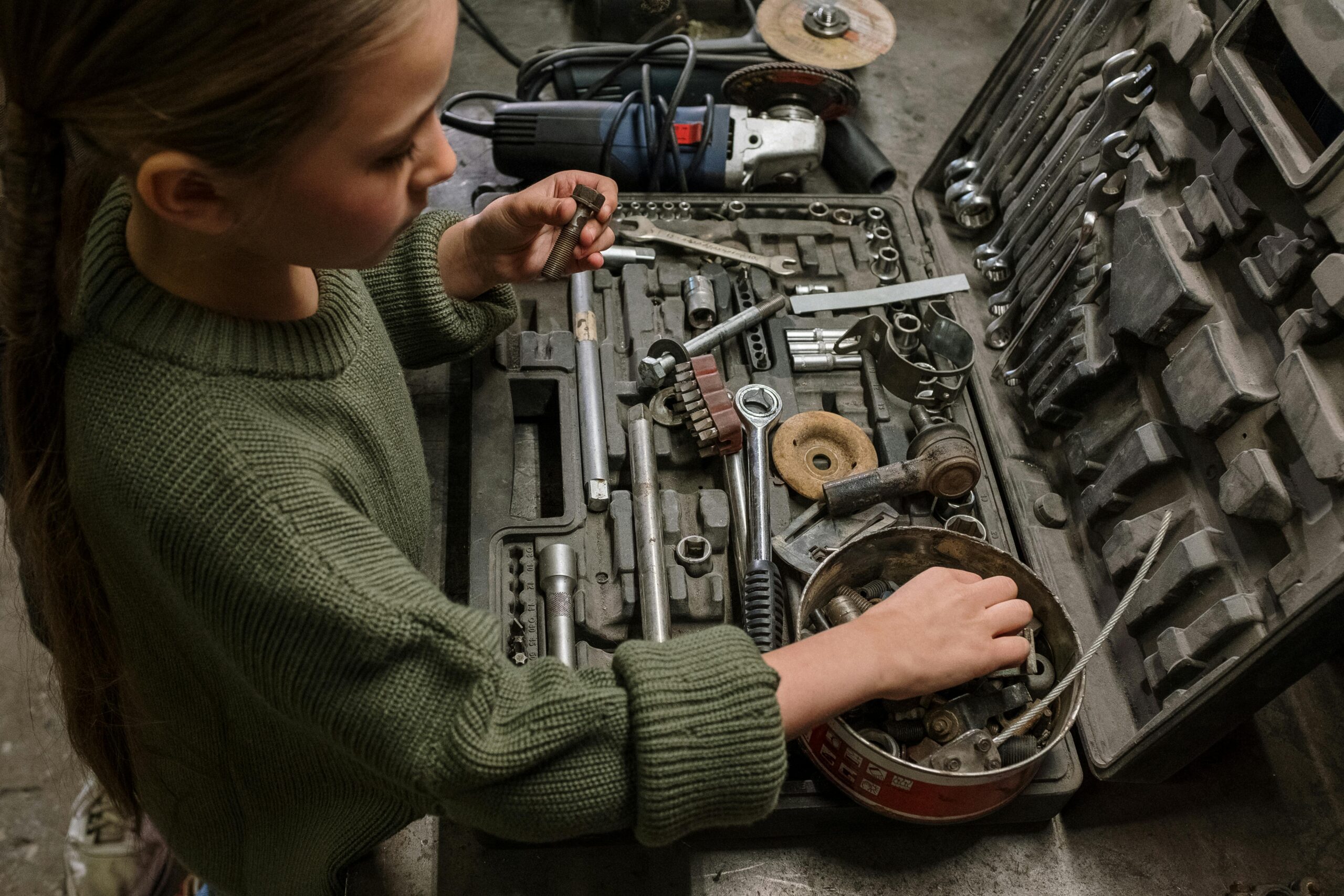
A basic socket set with both metric and standard sizes forms the foundation of any mechanic’s toolkit. Add combination wrenches, screwdrivers (flathead and Phillips), pliers, and an adjustable wrench. These simple tools enable you to tackle most basic automotive tasks.
As you progress, invest in a quality jack and jack stands for safe vehicle elevation. Safety should never be compromised—cheap lifting equipment can fail catastrophically. Additionally, consider purchasing a multimeter for electrical diagnostics and a compression tester for engine evaluation.
Don’t overlook the importance of proper lighting. A good work light or headlamp makes inspecting tight spaces much easier. Many mechanical problems require careful visual inspection, and adequate lighting prevents missed issues and reduces eye strain during extended work sessions. 💡
Top Online Platforms for Automotive Education
YouTube has become an incredible resource for automotive learning. Channels like ChrisFix, Engineering Explained, and South Main Auto Repair offer detailed tutorials covering everything from oil changes to transmission rebuilds. The visual nature of video instruction makes complex procedures easier to understand.
Udemy and Coursera provide structured courses with comprehensive curricula. These platforms offer certificate programs that can enhance your resume if you’re pursuing automotive employment. Courses range from beginner basics to advanced diagnostic techniques, with many featuring interactive quizzes and assignments.
Specialized platforms like Penn Foster and Ashworth College offer complete automotive technology diploma programs entirely online. While these require more significant investment, they provide credentialing recognized by employers and comprehensive education covering all major automotive systems.
Don’t underestimate automotive forums and communities. Websites like Reddit’s r/MechanicAdvice, BobIsTheOilGuy, and model-specific forums connect you with experienced mechanics who freely share knowledge. These communities answer specific questions and provide real-world troubleshooting advice.
Creating Your Home Learning Space
Designating a dedicated learning area enhances focus and organization. This doesn’t require a large garage—a corner of your driveway, a carport, or even a well-ventilated basement works for theoretical study and small projects.
Organize your space efficiently with pegboards for tool storage, shelving for parts and supplies, and a workbench for disassembly projects. Good organization saves time and reduces frustration when you’re searching for specific tools during a project.
Ensure adequate ventilation, especially if you’ll be running engines or working with chemicals. Carbon monoxide poisoning is a serious risk in enclosed spaces. Install proper lighting—both overhead and portable options—to illuminate your work area thoroughly.
Consider acquiring a practice vehicle or engine. Non-running cars are often available cheaply or free on Craigslist and Facebook Marketplace. Having a dedicated practice platform allows you to learn through hands-on disassembly and reassembly without risking your daily driver. 🚗
Building a Structured Learning Curriculum
Begin with fundamental concepts before attempting complex repairs. Study basic automotive systems: engine operation, electrical theory, cooling systems, fuel delivery, and transmission function. Understanding theory makes practical application much more intuitive.
Progress systematically through complexity levels. Start with simple maintenance tasks like oil changes, air filter replacements, and tire rotations. These procedures build confidence while teaching proper tool usage and safety protocols.
Advance to intermediate skills such as brake service, spark plug replacement, and belt changes. These projects introduce more complex procedures while remaining manageable for developing mechanics. Document your progress with photos and notes to reinforce learning.
Eventually tackle advanced diagnostics and repairs: timing belt replacement, transmission service, or electrical troubleshooting. By this stage, you’ll have accumulated significant knowledge and practical experience that makes these challenging projects achievable.
Understanding Different Mechanical Specializations
Automotive mechanics encompasses numerous specializations. General mechanics handle routine maintenance and common repairs across all vehicle systems. This broad knowledge makes you versatile and capable of addressing most typical vehicle issues.
Engine specialists focus exclusively on internal combustion systems. They perform rebuilds, diagnose complex performance issues, and modify engines for increased power. This specialization requires deep understanding of thermodynamics, metallurgy, and precision measurement.
Electrical specialists diagnose and repair increasingly complex vehicle electrical systems. Modern vehicles contain dozens of computers and miles of wiring. Specialists in this field must understand circuit analysis, computer programming, and diagnostic procedures.
Transmission specialists work exclusively on these complicated assemblies. Automatic transmissions contain hundreds of moving parts requiring precise tolerance and adjustment. This specialization commands premium rates due to the complexity and specialized knowledge required. ⚙️
Free Resources That Deliver Professional Knowledge
Public libraries offer extensive automotive repair manual collections. Chilton and Haynes manuals provide detailed step-by-step instructions specific to your vehicle make and model. These comprehensive guides include torque specifications, wiring diagrams, and troubleshooting flowcharts.
Manufacturer service bulletins and technical service bulletins (TSBs) are often available free through online searches. These documents describe known issues, recommended repairs, and updated procedures directly from automakers.
AllData DIY and Mitchell1 DIY provide subscription-based access to professional repair information at consumer prices. For approximately $30 annually, you gain access to the same databases professional mechanics use, including wiring diagrams, specifications, and repair procedures.
Free online automotive calculators help with fuel economy tracking, horsepower calculations, and compression ratio determination. These tools support your learning by providing quick reference and validation of manual calculations.
Safety Protocols Every Home Mechanic Must Follow
Never compromise on safety—injuries can be devastating and completely avoidable. Always use jack stands when working under vehicles. Hydraulic jacks can fail unexpectedly, and relying solely on them has caused numerous fatalities.
Wear appropriate personal protective equipment. Safety glasses prevent eye injuries from falling debris or chemical splashes. Gloves protect against cuts and chemical exposure. Steel-toed boots guard against dropped tools and parts.
Disconnect battery negative terminals before performing electrical work. This simple step prevents short circuits, electrical fires, and accidental airbag deployment. Even experienced mechanics follow this fundamental safety protocol.
Properly dispose of hazardous materials. Used motor oil, antifreeze, brake fluid, and batteries contain toxic substances requiring special handling. Most auto parts stores accept these materials for free recycling. Never pour automotive fluids down drains or onto the ground. ⚠️
Hands-On Practice Without Owning a Vehicle
Visit salvage yards to practice disassembly techniques. Many junkyards allow you to remove parts yourself at discounted prices. This provides hands-on experience with real components while acquiring affordable practice materials.
Purchase broken components from eBay or Craigslist specifically for practice. Non-functional alternators, starters, and carburetors cost very little but provide excellent disassembly and reassembly practice. Understanding how components work internally significantly improves diagnostic abilities.
Volunteer to help friends and family with their vehicle maintenance. This provides practical experience on different vehicles while building your reputation and possibly generating side income. Start with simple tasks and gradually accept more complex projects as skills improve.
Join local car clubs or online communities that organize workshops and hands-on learning events. These gatherings connect you with experienced mechanics willing to mentor newcomers while providing access to tools and facilities you might not personally own.
Leveraging Virtual Reality and Simulation Software
Automotive simulation software has advanced dramatically in recent years. Programs like Vehicle Simulator and CarMechanic Simulator provide realistic virtual environments where you can practice diagnosis and repair without physical materials.
These simulators teach proper procedures, tool selection, and diagnostic approaches. While not replacing hands-on experience, they provide valuable preparation that reduces mistakes when working on actual vehicles. Some programs even offer certification upon completion.
Virtual reality applications take simulation further by providing immersive three-dimensional environments. Using VR headsets, you can virtually disassemble engines, interact with tools, and practice procedures with remarkable realism. This technology becomes more affordable and accessible annually.
Mobile apps like TorquePro connect to your vehicle’s onboard diagnostic system via Bluetooth adapters. These applications display real-time data, read trouble codes, and help you understand what’s actually happening inside your vehicle during operation. 📱
Obtaining Professional Certifications from Home
ASE (Automotive Service Excellence) certifications represent the industry gold standard for mechanical competency. While testing requires visiting an approved location, you can complete all study and preparation from home using official ASE study guides and practice tests.
ASE offers certifications in nine automotive areas: engine repair, automatic transmission, manual drivetrain, suspension and steering, brakes, electrical systems, heating and air conditioning, engine performance, and light vehicle diesel engines. Each certification demonstrates specialized knowledge to potential employers.
Online schools like Penn Foster and Ashworth College offer diploma programs culminating in recognized credentials. These programs require several months to complete but provide comprehensive education covering all major automotive systems and diagnostic procedures.
Manufacturer-specific certifications from brands like Ford, Toyota, and BMW are increasingly available through online training portals. These certifications demonstrate expertise with particular vehicle brands and can lead to dealership employment opportunities.
Building Diagnostic Skills Through Systematic Troubleshooting
Effective diagnosis follows logical procedures rather than random part replacement. Begin by verifying the complaint—personally experience the problem if possible. Many repairs address symptoms rather than root causes because this crucial step was skipped.
Gather information systematically. When did the problem start? What conditions trigger it? Have any repairs been recently performed? This context often points directly toward likely causes, saving significant diagnostic time.
Use diagnostic tools appropriately. Scan tools read computer codes, multimeters test electrical circuits, compression testers evaluate engine condition. Understanding which tool provides relevant information for specific problems streamlines diagnosis considerably.
Develop hypothesis-based diagnosis skills. Form educated theories about likely causes, then perform tests to confirm or eliminate possibilities. This approach prevents wasteful parts replacement and builds genuine diagnostic expertise that distinguishes professional mechanics from parts changers. 🔍
Monetizing Your Mechanical Skills
Once you’ve developed solid skills, consider generating income through mobile repair services. Many people need simple maintenance performed but lack time or ability to visit shops. Offering convenient mobile service commands premium rates while building your business gradually.
Specialize in particular services that don’t require extensive shop equipment. Oil changes, brake jobs, battery replacement, and pre-purchase inspections can be performed in customers’ driveways with portable tools.
Create educational content sharing your learning journey. YouTube channels, blogs, and Instagram accounts focused on automotive education can generate advertising revenue while establishing your authority. Authentic content showing both successes and learning experiences resonates strongly with audiences.
Offer consulting services helping others purchase used vehicles. Pre-purchase inspections prevent costly mistakes and provide genuine value to buyers unfamiliar with automotive systems. Charge reasonable fees while building reputation through excellent service and honest assessments.
Staying Current with Evolving Automotive Technology
Vehicle technology advances rapidly, requiring continuous learning to maintain relevance. Subscribe to automotive publications like Motor Trend, Car and Driver, and Automotive News to stay informed about emerging technologies and industry trends.
Follow manufacturer training updates and technical bulletins. Automakers constantly release information about new procedures, known issues, and updated repair methods. Accessing this information keeps your knowledge current and prevents using outdated techniques.
Electric vehicles represent the industry’s future. Understanding high-voltage systems, battery technology, and electric motor operation positions you advantageously as the automotive landscape transforms. Several online courses specifically address EV systems and safety protocols.
Attend virtual industry conferences and webinars. Organizations like ASE, NAPA, and SAE regularly host online educational events featuring industry experts discussing cutting-edge technology and repair techniques. Many of these events are free or low-cost. ⚡
Overcoming Common Challenges in Self-Directed Learning
Motivation fluctuates when learning independently without external accountability. Combat this by setting specific goals with defined timelines. Rather than vague intentions to “learn mechanics,” commit to completing specific courses or mastering particular skills by target dates.
Information overload can paralyze progress. With unlimited resources available, determining where to focus becomes difficult. Follow structured curricula rather than random learning. Complete one course or certification before jumping to unrelated topics.
Practical experience gaps represent the most significant challenge for home learners. Supplement theoretical knowledge with hands-on practice whenever possible. Even simple projects like changing your own oil provide valuable practical reinforcement of theoretical concepts.
Connect with mentors through online communities or local car clubs. Experienced mechanics often enjoy sharing knowledge with enthusiastic learners. Don’t hesitate to ask questions—most professionals remember their own learning journey and appreciate helping newcomers avoid common mistakes. 🤝
Measuring Your Progress and Skill Development
Track completed projects in a detailed log. Document procedures performed, challenges encountered, and solutions discovered. This record demonstrates skill progression while creating valuable reference material for future similar projects.
Take practice ASE tests regularly to benchmark knowledge against industry standards. Identify weak areas requiring additional study before attempting actual certification exams. Many free practice tests are available online replicating actual certification exam formats.
Seek feedback from experienced mechanics on completed work. Post photos and descriptions in online communities asking for constructive criticism. This external perspective identifies improvement areas you might overlook through self-assessment alone.
Challenge yourself with progressively difficult projects. Comfort zone maintenance doesn’t build skills—controlled challenges do. Once you’ve mastered basic maintenance, attempt intermediate repairs, then advanced diagnostics. Each successful project builds confidence and competence simultaneously.
Building Long-Term Career Opportunities
Mechanical knowledge provides diverse career pathways beyond traditional repair shops. Technical writing for automotive publications requires mechanical expertise combined with communication skills. Service advisors at dealerships need mechanical understanding to communicate effectively with technicians and customers.
Automotive journalists and reviewers leverage mechanical knowledge to provide deeper insights into vehicle performance and engineering. This career combines passion for automobiles with writing and media skills, offering creative fulfillment alongside income.
Quality control positions at manufacturers require understanding how vehicles should function to identify defects and issues. These roles offer stable employment with benefits and advancement opportunities within large corporations.
Education represents another viable path. Once you’ve mastered mechanical concepts, teaching others through online courses, vocational schools, or community colleges shares knowledge while generating income. The satisfaction of enabling others’ learning creates meaningful career fulfillment beyond financial compensation. 🎓
Learning mechanics from home has transformed from an impractical dream to an achievable reality. With determination, structured approach, and the abundant resources now available, anyone can master automotive skills regardless of previous experience or formal education. The journey requires patience and persistence, but the rewards—both financial and personal—make the effort worthwhile. Your mechanical education begins with a single step: choosing your first learning resource and committing to consistent progress. The vehicle systems that once seemed mysterious will gradually become familiar, and the satisfaction of diagnosing and repairing mechanical issues will prove deeply rewarding.
