
Anúncios
Understanding How Credit Cards Work.



Explore Financial Options
Credit cards have become an indispensable part of modern financial life, transforming the way millions of people around the world manage their purchases, access credit, and navigate their daily expenses. These small plastic or digital cards represent far more than just a payment method—they’re sophisticated financial tools that bridge the gap between immediate purchasing power and future payment obligations. Understanding how they work can empower you to make smarter financial decisions and unlock conveniences that traditional payment methods simply can’t match. Understanding Credit Cards and Their Benefits Explained.
Whether you’re considering your first card or looking to better understand the one sitting in your wallet, grasping the fundamental mechanics and benefits of credit cards opens up a world of financial flexibility. From emergency purchases to building credit history, these payment instruments offer remarkable advantages when used thoughtfully and responsibly. Let’s dive deep into the fascinating world of credit card technology, functionality, and the everyday conveniences they bring to millions of users worldwide. 💳
The Basic Mechanics: How Credit Cards Actually Function
At its core, a credit card is a revolving line of credit issued by a financial institution—typically a bank or credit union—that allows you to borrow money up to a predetermined limit for purchases or cash advances. Unlike debit cards that draw directly from your checking account, credit cards provide you with borrowed funds that you promise to repay, either immediately or over time with interest.
When you make a purchase using your credit card, you’re essentially taking out a short-term loan from the card issuer. The merchant receives payment almost immediately from your card company, while you receive a billing statement at the end of your billing cycle showing all transactions made during that period. This billing cycle typically spans about 30 days, and you’ll have an additional grace period—usually 21 to 25 days—to pay your balance before interest charges begin accruing on most purchases.
The Four-Party System Behind Every Swipe
Every credit card transaction involves four key players working together seamlessly in mere seconds:
- The Cardholder: That’s you—the person making the purchase with the card
- The Merchant: The business or service provider accepting your card payment
- The Issuing Bank: The financial institution that gave you the credit card and extends you credit
- The Payment Network: Companies like Visa, Mastercard, American Express, or Discover that facilitate the transaction between all parties
When you tap, swipe, or insert your card, an authorization request travels through the payment network to your issuing bank, which verifies you have sufficient credit available and that the card isn’t flagged for fraud. If approved, the transaction completes, and the merchant receives confirmation—all typically happening in under three seconds! ⚡
Credit Limits and Available Credit: Your Spending Boundaries
One of the fundamental concepts in understanding credit cards is your credit limit—the maximum amount your card issuer allows you to borrow at any given time. This limit is determined by multiple factors including your credit history, income, existing debt obligations, and your relationship with the issuer.
Your available credit is your total credit limit minus any outstanding balance and pending transactions. For example, if your credit limit is $5,000 and you currently have a balance of $1,200, your available credit would be $3,800. This available credit fluctuates constantly as you make purchases and payments throughout the month.
How Card Issuers Determine Your Initial Limit
Card companies use sophisticated algorithms and credit scoring models to determine your initial credit limit. They consider factors such as your credit score, annual income, employment status, housing costs, and existing debt-to-income ratio. Those with stronger credit profiles and higher incomes typically receive higher initial limits, while those newer to credit may start with more modest limits that can increase over time with responsible use.
Interest Rates and APR: Understanding the Cost of Borrowing
The Annual Percentage Rate, or APR, represents the yearly interest rate charged on any balance you carry from month to month. Most credit cards feature variable APRs that fluctuate based on the prime rate, and these rates can vary significantly—from around 15% to over 25% depending on your creditworthiness and the card type.
Here’s the critical point many cardholders appreciate: if you pay your full statement balance by the due date each month, you typically won’t pay any interest at all on purchases. This interest-free grace period is one of the most valuable features of credit cards, essentially providing you with a short-term, no-cost loan for every purchase.
Different Types of APRs You Might Encounter
Credit cards often have several different APRs applied to different types of transactions:
- Purchase APR: Applied to regular purchases when you carry a balance
- Balance Transfer APR: The rate charged on balances transferred from other cards (often features promotional 0% periods)
- Cash Advance APR: Usually higher than purchase APR, applied to cash withdrawals
- Penalty APR: A higher rate that may be triggered if you make late payments
The Billing Cycle and Payment Structure
Understanding your billing cycle is essential to maximizing credit card benefits while minimizing costs. Your billing cycle is the period between billing statements—typically 28 to 31 days. All transactions that post during this period appear on your next statement, which arrives at the end of the cycle.
Your statement shows your previous balance, new purchases, payments received, fees charged, interest applied, and your new balance. It also displays two crucial amounts: the minimum payment due and the statement balance. While you’re only required to pay the minimum to keep your account in good standing, paying the full statement balance avoids interest charges entirely—a practice that savvy cardholders follow religiously. 📊
Minimum Payments: The Trap to Avoid
The minimum payment is typically calculated as a percentage of your balance (usually 1-3%) or a flat fee (often $25-$35), whichever is greater. While making only minimum payments keeps your account current and avoids late fees, it extends your repayment period dramatically and results in substantial interest charges over time. A $2,000 balance at 20% APR with only minimum payments could take over a decade to repay and cost thousands in interest!
Security Features That Protect Your Transactions 🔒
Modern credit cards incorporate multiple layers of security technology to protect both cardholders and merchants from fraud. These protections represent one of the significant advantages credit cards hold over other payment methods.
EMV chip technology, that small metallic square on the front of your card, generates a unique transaction code for every purchase that can’t be reused. This makes counterfeiting nearly impossible compared to older magnetic stripe technology. For online transactions, CVV codes (those three digits on the back of your card) provide an additional verification layer that proves you physically possess the card.
Zero Liability Protection
One of the most reassuring credit card features is zero liability protection offered by major card networks. If your card is used fraudulently, you typically won’t be held responsible for unauthorized charges as long as you report them promptly. This protection far exceeds that of debit cards, where unauthorized access could drain your actual bank account before you notice.
Rewards Programs: Getting Something Back for Your Spending
Many credit cards offer rewards programs that return a portion of your spending in various forms—cashback, points, or miles. These programs essentially discount your purchases, providing tangible value for everyday spending you’d do anyway.
Cashback cards typically return 1-2% on all purchases, with some offering higher percentages in specific categories like groceries, gas, or dining. Points-based programs accumulate redeemable points for travel, merchandise, gift cards, or statement credits. Travel rewards cards often earn miles or points transferable to airline and hotel loyalty programs, unlocking potentially outsized value for those who travel frequently. ✈️
Maximizing Rewards Without Overspending
The key to benefiting from rewards programs is using cards for purchases you’d make regardless, then paying the balance in full to avoid interest charges that would negate any rewards earned. Spending extra just to earn rewards defeats the purpose—the interest charges will always exceed the rewards value. Strategic cardholders often use different cards for different spending categories to maximize returns across their entire spending profile.
Building and Improving Your Credit Score
Credit cards serve as powerful tools for establishing and improving your credit score—that three-digit number that influences your ability to borrow money, rent apartments, and sometimes even get jobs. Responsible credit card use demonstrates to lenders that you can manage borrowed money reliably.
Your payment history accounts for about 35% of your credit score, making on-time payments the single most important factor. Your credit utilization ratio—the percentage of available credit you’re using—comprises another 30%. Keeping utilization below 30%, and ideally below 10%, signals responsible credit management. Simply having credit cards and using them moderately while paying on time can steadily build a strong credit profile over time.
Purchase Protections and Extended Warranties
Beyond basic transaction security, many credit cards offer valuable purchase protections that extend beyond what merchants provide. These benefits effectively add insurance to your purchases at no additional cost.
Extended warranty protection typically adds an additional year to manufacturer warranties on eligible items. Purchase protection may cover theft or damage to items purchased with the card for a specified period after purchase—usually 90 to 120 days. Price protection reimburses you if an item you purchased drops in price shortly after your purchase. Return protection can help you return items when merchants won’t accept returns. These protections vary by card but can save hundreds or thousands of dollars over time. 🛡️
Travel Benefits That Enhance Your Journeys
Travel-oriented credit cards often bundle impressive travel-related benefits that can enhance trips while saving substantial money. These conveniences make travel smoother and more comfortable, especially for frequent travelers.
Common travel benefits include trip cancellation and interruption insurance, which reimburses non-refundable expenses if you need to cancel or cut short a trip for covered reasons. Baggage delay insurance provides funds to purchase necessities if your luggage is delayed. Travel accident insurance offers coverage in case of injury or death during travel. Rental car insurance covers collision damage when you decline the rental company’s insurance. Premium travel cards often provide airport lounge access, TSA PreCheck or Global Entry fee credits, and travel credits toward airlines or hotels.
The Convenience Factor: Everyday Practical Advantages
Beyond financial benefits, credit cards offer practical conveniences that simplify daily life. The ability to make purchases without carrying cash reduces theft risk and eliminates trips to ATMs. Online shopping becomes seamless with saved card information, and subscription services are easily managed with automatic recurring payments.
Credit cards provide clear spending records through detailed statements and apps, making budgeting and expense tracking far easier than with cash. Disputing charges is straightforward when products don’t arrive or services aren’t rendered as promised—the card issuer can initiate chargebacks to recover your money while investigating. This leverage often motivates merchants to resolve issues quickly. 📱
Emergency Financial Buffer
Life brings unexpected expenses—car repairs, medical bills, home emergencies. Credit cards provide an immediate financial buffer when emergencies arise and you don’t have sufficient cash reserves. While carrying balances should generally be avoided, having access to credit during genuine emergencies can prevent worse financial consequences like utility shutoffs, evictions, or repossessions.
Special Card Categories for Different Needs
The credit card market offers specialized products designed for particular circumstances and goals. Understanding these categories helps match cards to individual needs and situations.
Secured credit cards require a refundable security deposit that typically serves as your credit limit. These cards help people with limited or damaged credit establish or rebuild credit history. Student credit cards cater to college students with limited income and credit history, often featuring lower limits and educational resources. Business credit cards help entrepreneurs separate personal and business expenses while often offering higher limits and business-specific rewards categories.
Balance Transfer Opportunities for Debt Management
Balance transfer features allow you to move existing credit card debt from high-interest cards to new cards offering promotional 0% APR periods—sometimes lasting 12 to 21 months. This strategy can save significant interest charges and accelerate debt repayment when used strategically.
The key to successful balance transfers is treating them as a defined payoff opportunity rather than simply moving debt around. Calculate how much you must pay monthly to eliminate the balance before the promotional period ends, then commit to that payment plan. Balance transfer fees typically range from 3-5% of the transferred amount, so factor this cost into your calculations to ensure the strategy makes financial sense.
Contactless Payments and Digital Wallet Integration
Modern credit cards increasingly support contactless payment technology, allowing you to simply tap your card near a reader to complete transactions under certain amounts without inserting the card or entering a PIN. This technology uses near-field communication (NFC) and provides the same security as chip transactions while dramatically speeding up the checkout process.
Digital wallets like Apple Pay, Google Pay, and Samsung Pay store your card information securely on your smartphone, enabling you to leave your physical card at home. These services add additional security layers by generating unique transaction tokens rather than transmitting your actual card number, making them even more secure than physical cards for many transactions. 📲
Understanding Fees and How to Avoid Them
While credit cards offer numerous benefits, they can also carry various fees that diminish their value. Understanding these fees helps you avoid them while selecting cards that align with your usage patterns.
Annual fees range from $0 to $500+ for premium cards, though the benefits and rewards of fee-bearing cards often justify the cost for appropriate users. Late payment fees typically range from $25-$40 and can trigger penalty APR increases. Cash advance fees usually run 3-5% of the withdrawn amount, and cash advances start accruing interest immediately with no grace period. Foreign transaction fees of 1-3% apply to purchases made in foreign currencies with many cards, though numerous cards waive these fees entirely. Over-limit fees occur if you exceed your credit limit, though these are less common since regulations require you to opt-in to over-limit transactions.
Smart Usage Practices for Maximum Benefit
Maximizing credit card value while minimizing risks requires following several best practices consistently. Always pay your full statement balance by the due date to avoid interest charges completely. Set up automatic payments for at least the minimum due to ensure you never miss a payment deadline, protecting both your credit score and account standing.
Monitor your accounts regularly through mobile apps to catch fraudulent charges quickly and stay aware of your spending patterns. Keep utilization below 30% of your credit limit to maintain a healthy credit score. Never spend more than you can afford to pay back—treating your card like a payment method rather than a loan extension keeps you financially healthy. Read your cardholder agreement and benefits guide to understand all features and protections your card offers so you don’t miss opportunities to utilize valuable benefits. 💡
The Psychology of Credit Card Spending
Research consistently shows people tend to spend more when using credit cards compared to cash—a phenomenon called the “credit card premium.” The psychological pain of spending feels less acute when swiping a card versus handing over physical cash. Being aware of this tendency helps you remain mindful and intentional about spending decisions.
Successful credit card users develop mental frameworks that keep spending aligned with their budget and values. Some mentally “earmark” credit purchases immediately, treating them as already spent money. Others review transactions daily to maintain awareness. The key is finding strategies that preserve the convenience benefits while maintaining the spending discipline you’d exercise with cash.
Looking Toward the Future of Credit Cards
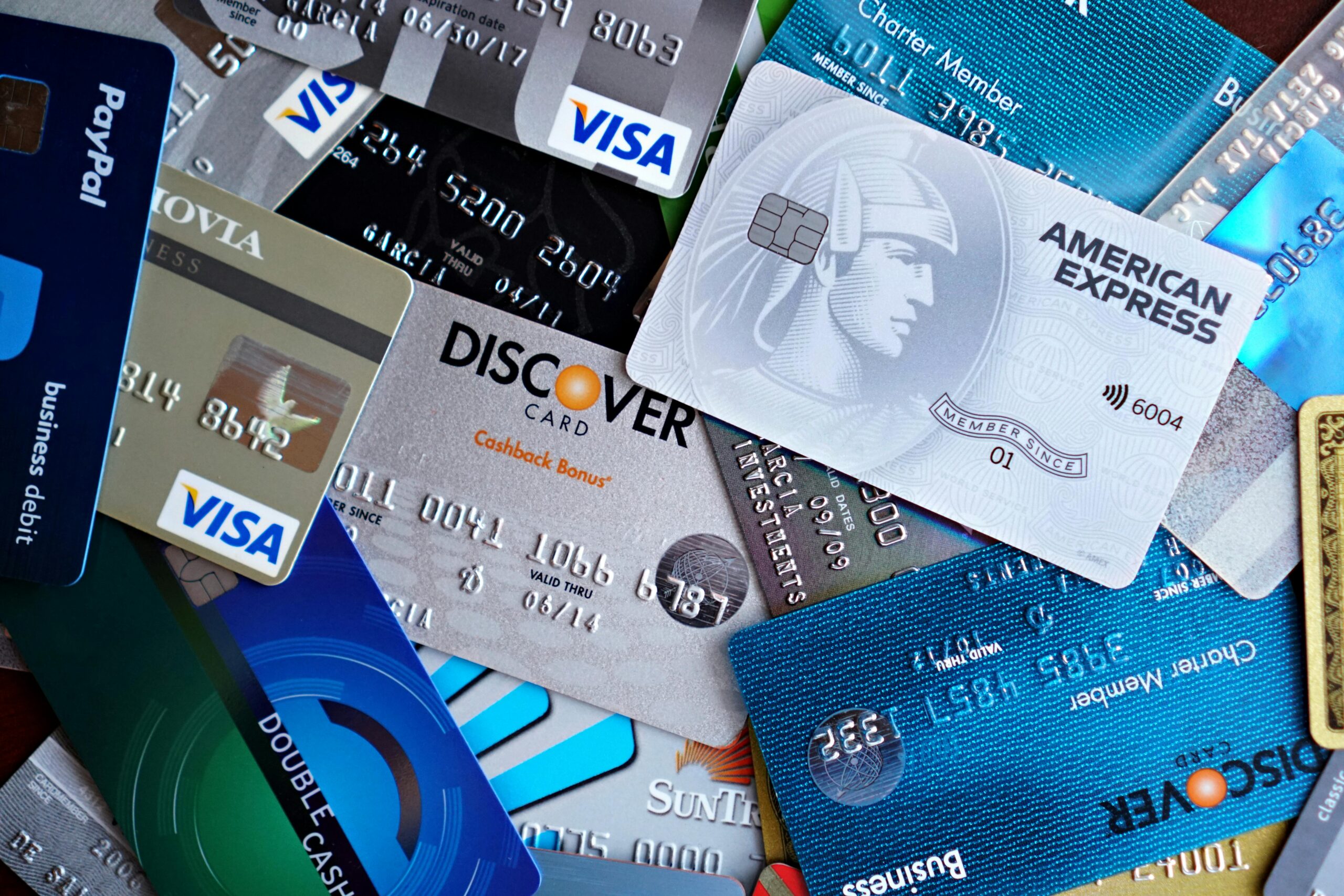
The credit card industry continues evolving with emerging technologies and changing consumer preferences. Biometric authentication through fingerprints or facial recognition is becoming more common, adding security layers while streamlining authentication. Cryptocurrency rewards are emerging on some cards, offering Bitcoin or other digital currencies as cashback alternatives.
Sustainability-focused cards made from recycled plastics or biodegradable materials appeal to environmentally conscious consumers. Virtual card numbers for online shopping provide enhanced security by generating unique numbers for each merchant or transaction. Real-time spending notifications and advanced budgeting tools integrated into card apps help users maintain better financial awareness and control. The future promises even more convenience, security, and customization as technology and financial services continue converging. 🚀
Credit cards represent sophisticated financial tools that, when understood and used responsibly, provide remarkable convenience, valuable protections, and tangible rewards. They’ve transformed from simple borrowing instruments into comprehensive financial platforms offering everything from fraud protection to travel insurance, purchase protections to credit building opportunities. The key to benefiting from these powerful tools lies in understanding how they work, recognizing both their advantages and potential pitfalls, and developing disciplined usage habits that maximize benefits while avoiding costly mistakes. With knowledge and intentionality, credit cards become valuable partners in managing your financial life rather than sources of stress or debt.
Download Here:
- Citi:
