
Anúncios
Understanding How Credit Cards Work. Understanding How Credit Cards Work and Their Benefits.



Explore Financial Options
Credit cards have become an indispensable part of modern financial life, revolutionizing the way millions of people around the world handle their daily transactions. From purchasing groceries to booking international flights, these small plastic rectangles—or their digital counterparts—have transformed commerce and personal finance management in ways that were unimaginable just a few decades ago. Understanding How Credit Cards Work and Their Benefits.
Understanding how credit cards function and the various conveniences they offer can empower you to make smarter financial decisions. Whether you’re considering your first credit card or looking to optimize how you use existing ones, grasping the fundamentals of this financial tool opens doors to better money management and potential benefits that extend far beyond simple purchasing power. 💳
The Fundamental Mechanics Behind Credit Cards
At its core, a credit card represents a line of credit extended to you by a financial institution, typically a bank or credit union. Unlike debit cards that draw directly from your checking account, credit cards allow you to borrow money up to a predetermined limit for purchases or cash advances. This borrowed amount must be repaid, usually on a monthly basis, according to the terms established in your cardholder agreement.
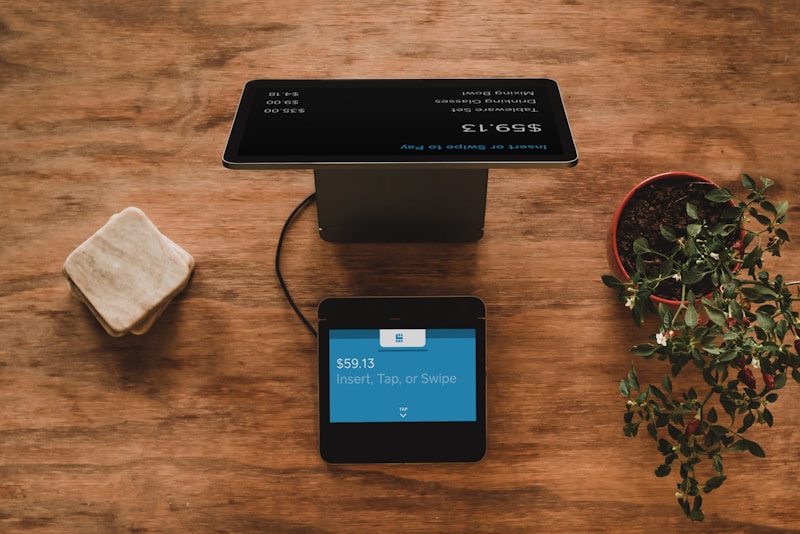
When you make a purchase with a credit card, the transaction involves multiple parties working seamlessly behind the scenes. The merchant’s payment processor communicates with your card’s network (such as Visa, Mastercard, American Express, or Discover), which then verifies the transaction with your card issuer. If approved, the issuer pays the merchant, and you become obligated to repay that amount to the issuer.
This entire process typically happens in mere seconds, creating a smooth purchasing experience while establishing a temporary loan that gets added to your account balance. The technology behind these transactions has evolved dramatically, incorporating advanced security measures and encryption protocols to protect all parties involved.
Understanding Credit Limits and Available Credit
Your credit limit represents the maximum amount you can borrow at any given time. This limit is determined by the card issuer based on various factors including your credit history, income, existing debts, and overall financial profile. As you make purchases, your available credit decreases, and as you make payments, it increases again.
For example, if you have a credit limit of $5,000 and make $1,200 in purchases, your available credit drops to $3,800. When you pay off $500, your available credit rises to $4,300. This revolving nature is what distinguishes credit cards from installment loans, where you borrow a fixed amount once and pay it back over time.
The Payment Cycle: Grace Periods and Billing Statements
Credit cards operate on monthly billing cycles, typically lasting around 30 days. At the end of each cycle, your card issuer generates a statement detailing all transactions, fees, interest charges, and the total amount you owe. This statement also includes your minimum payment—the smallest amount you must pay to keep your account in good standing.
One of the most valuable features many credit cards offer is the grace period, usually ranging from 21 to 25 days after the billing cycle ends. During this window, if you pay your entire statement balance in full, you typically won’t incur any interest charges on your purchases. This essentially gives you free short-term borrowing, which can be a powerful financial tool when managed properly. ⏰
However, if you carry a balance beyond the grace period by paying only the minimum or a partial amount, interest begins accruing on the remaining balance. This interest, expressed as an Annual Percentage Rate (APR), can vary significantly between cards and can substantially increase the cost of purchases if balances aren’t paid promptly.
Minimum Payments: What You Need to Know
The minimum payment is calculated as a percentage of your balance (typically 1-3%) or a flat dollar amount, whichever is greater. While paying only the minimum keeps your account current and avoids late fees, it’s generally not advisable as a long-term strategy because:
- Interest continues accumulating on the remaining balance
- It can take years to pay off even modest balances
- You’ll ultimately pay significantly more than the original purchase prices
- High utilization relative to your credit limit can negatively impact your credit score
The Convenience Factor: Why Credit Cards Make Life Easier
Beyond the basic mechanics of borrowing and repayment, credit cards offer numerous practical advantages that have made them preferred payment methods for countless situations. These conveniences extend across various aspects of daily life and financial management.
Simplified Online and Remote Transactions
In our increasingly digital economy, credit cards have become virtually essential for online shopping, subscription services, and remote transactions. They provide a secure, standardized payment method accepted by millions of merchants worldwide. Unlike cash or checks, credit cards enable instant transactions without physical presence, making them ideal for e-commerce, app-based services, and digital marketplaces. 🛒
The ease of storing payment information securely with trusted retailers or in digital wallets means you can complete purchases with just a few clicks or taps, streamlining the entire shopping experience. This convenience has fundamentally changed consumer behavior and opened up global marketplaces to people regardless of their physical location.
Enhanced Security Compared to Cash and Debit
Credit cards typically offer superior fraud protection compared to other payment methods. If your card is lost, stolen, or used fraudulently, federal law limits your liability to $50, and most issuers offer zero-liability policies that eliminate even this small risk. This protection extends to unauthorized online transactions as well.
Additionally, because credit card transactions don’t immediately draw from your bank account, fraudulent charges don’t directly impact your available cash while disputes are being resolved. This buffer can be crucial for maintaining financial stability if you encounter fraud, whereas debit card fraud can temporarily drain your checking account and cause cascading problems with bills and other obligations.
Building and Establishing Credit History
Responsible credit card use is one of the most effective ways to build a positive credit history, which impacts your ability to secure loans, rent apartments, and sometimes even obtain employment. Credit bureaus track how you manage your credit accounts, including payment history, credit utilization, and length of credit history.
By making on-time payments and keeping balances reasonable relative to your limits, you demonstrate creditworthiness that gets reflected in your credit scores. Over time, this can qualify you for better interest rates on mortgages, auto loans, and other credit products, potentially saving thousands of dollars over your lifetime. 📈
Tracking and Managing Your Spending
Credit cards provide automatic, detailed records of all your transactions, creating a comprehensive spending history that can be invaluable for budgeting and financial planning. Most issuers offer sophisticated online platforms and mobile apps that categorize your purchases, generate spending reports, and provide insights into your financial habits.
This automated tracking eliminates the need for manual record-keeping and makes it easy to identify spending patterns, locate specific transactions, and manage your budget effectively. Many platforms even allow you to set spending alerts, track progress toward financial goals, and export data for use with personal finance software.
For business owners and professionals, credit card statements also simplify expense reporting and tax preparation by providing organized documentation of business-related purchases throughout the year.
Travel Benefits and International Use
Credit cards shine particularly bright when traveling, offering conveniences that make them nearly indispensable for modern travelers. Their widespread international acceptance means you can make purchases in virtually any country without carrying large amounts of foreign currency or dealing with unfavorable exchange rates at currency exchange booths. ✈️
Foreign Transaction Considerations
While some credit cards charge foreign transaction fees (typically 1-3% of purchase amounts), many cards eliminate these fees entirely, making them cost-effective options for international spending. The exchange rates applied to credit card transactions are typically more favorable than those offered by currency exchange services or hotel front desks.
Additionally, credit cards provide security advantages when traveling—if your card is lost or stolen abroad, you can quickly report it and receive a replacement, whereas lost cash is simply gone forever. The fraud protection and dispute resolution services become even more valuable when dealing with unfamiliar merchants in foreign countries.
Rental Car and Hotel Reservations
Many car rental companies and hotels require a credit card for reservations and hold deposits, even if you intend to pay with another method. This is because credit cards provide them with security against damages, incidental charges, or no-shows. Using a debit card for these purposes often requires larger holds that can tie up significant funds in your checking account for days or weeks.
Some credit cards also include rental car insurance coverage as a benefit, potentially saving you the cost of purchasing the rental company’s collision damage waiver. Similarly, certain cards offer travel insurance, trip cancellation protection, and other travel-related benefits that add value beyond the basic payment function.
Rewards Programs and Cashback Opportunities
One of the most attractive features of many credit cards is the ability to earn rewards on your everyday spending. These programs come in various forms, each designed to provide value back to cardholders who use their cards regularly and responsibly.
Understanding Cashback Structures
Cashback credit cards return a percentage of your spending directly to you, typically ranging from 1% to 5% depending on the purchase category and card structure. Some cards offer flat-rate cashback on all purchases, providing simplicity and consistency. Others feature rotating categories that change quarterly, offering higher rewards on specific types of spending like groceries, gas, or dining during certain periods. 💰
There are also tiered cashback cards that provide different rates for different spending categories—for example, 3% on dining, 2% on groceries, and 1% on everything else. By strategically matching your spending patterns with appropriate cashback structures, you can maximize the value you receive from everyday purchases you’d make regardless.
Points and Miles Programs
Beyond cashback, many credit cards offer points or miles that can be redeemed for travel, merchandise, gift cards, or statement credits. Travel-focused cards often partner with specific airlines or hotel chains, allowing you to accumulate loyalty points that can be redeemed for flights, hotel stays, upgrades, and other travel perks.
Flexible points programs allow redemption across multiple travel partners or transfer to various airline and hotel loyalty programs, providing versatility in how you use your rewards. Some programs also offer enhanced value when points are redeemed through the issuer’s travel portal or transferred to partners.
Emergency Backup and Financial Flexibility
Credit cards serve as valuable financial safety nets for unexpected expenses and emergencies. When your car breaks down, your refrigerator stops working, or you face an unexpected medical bill, having access to credit can bridge the gap until you can arrange more permanent financing or gather necessary funds.
This emergency access provides peace of mind and financial flexibility that pure cash-based systems cannot offer. Rather than depleting your emergency savings for every unexpected expense, you can use credit strategically and repay it over time if necessary, preserving your cash reserves for true emergencies or better opportunities.
Purchase Protection Features
Many credit cards include valuable purchase protection benefits that extend beyond the transaction itself. These may include:
- Extended warranty protection: Automatically doubles the manufacturer’s warranty on eligible purchases
- Purchase protection: Covers damage or theft of new purchases for a specified period
- Price protection: Refunds the difference if you find a lower price shortly after purchase
- Return protection: Assists with returns when merchants won’t accept them
These features effectively provide free insurance on your purchases, adding significant value that goes well beyond the basic payment function. They can save you hundreds or even thousands of dollars over time and provide recourse in situations where you might otherwise have no options. 🛡️
Dispute Resolution and Charge Backs
Credit cards offer robust consumer protections through the chargeback process, which allows you to dispute charges for products or services that weren’t delivered as promised, were fraudulent, or involved billing errors. This process provides a formal mechanism for resolving disputes with merchants, with the card issuer acting as an intermediary.
If a merchant refuses to provide a refund for a defective product or failed service, you can initiate a chargeback through your credit card company. The issuer investigates the claim, and if found in your favor, reverses the charge and credits your account. This protection is particularly valuable for large purchases, complex transactions, or dealings with unfamiliar or distant merchants.
The chargeback process creates accountability for merchants and provides consumers with leverage they wouldn’t have with cash transactions or many other payment methods. While it shouldn’t be abused, it’s a powerful consumer protection tool that makes credit cards safer than many alternatives.
Digital Integration and Modern Payment Technologies
Credit cards have seamlessly integrated with modern digital payment technologies, making them even more convenient and secure. Digital wallet services like Apple Pay, Google Pay, and Samsung Pay allow you to store your credit card information securely on your smartphone and make contactless payments at compatible merchants. 📱
These digital payment methods use tokenization technology, which replaces your actual card number with a unique digital identifier for each transaction. This means merchants never receive your actual card details, significantly reducing fraud risk. The convenience of tapping your phone to pay, without needing to carry physical cards or enter PINs for small purchases, has made everyday transactions faster and more streamlined.
Virtual Card Numbers
Some credit card issuers now offer virtual card numbers—temporary card numbers linked to your main account that can be used for online purchases. These virtual numbers protect your actual card information from being compromised in data breaches or by unscrupulous merchants. You can often set spending limits and expiration dates for virtual numbers, providing additional control over your account security.
This technology is particularly useful for subscription services, one-time purchases from unfamiliar websites, or any situation where you want to limit your exposure. If a virtual number is compromised, you can simply cancel it without affecting your primary card or other virtual numbers you’ve created.
Budgeting Tools and Spending Controls
Modern credit card accounts come with sophisticated tools that help you manage spending and stay within budget. Many issuers offer customizable alerts that notify you of large purchases, approaching credit limits, payment due dates, or unusual activity. These real-time notifications help you stay aware of your account activity and can alert you to potential fraud immediately.
Some cards and associated apps allow you to set spending limits by category, temporarily lock your card when not in use, or restrict certain types of transactions. These controls give you greater command over your finances and can help prevent overspending or unauthorized use by others who might have access to your card information.
The Social and Practical Aspects of Credit Card Acceptance
In many contexts, having a credit card is practically expected or required. Beyond hotels and rental cars, many subscription services, online platforms, and service providers require credit card information to establish accounts or verify identity. Some services may not accept other payment methods at all, making credit cards a practical necessity for full participation in modern commerce.
Additionally, carrying a credit card is often more socially acceptable and practical than carrying large amounts of cash, particularly for significant purchases. The slim profile of a credit card (or digital version on your phone) provides all the purchasing power you might need without the bulk, security risks, or inconvenience of cash. 👛
Interest-Free Financing Opportunities
Many credit cards offer promotional periods with 0% APR on purchases, balance transfers, or both. These promotional offers, which typically last from 6 to 21 months, effectively provide interest-free loans for that period. When used strategically, these offers can help you make large purchases and pay them off over time without interest charges, or consolidate higher-interest debt and save money while paying it down.
This financing flexibility can be particularly valuable for planned major purchases like appliances, furniture, or electronics. Rather than paying the full amount upfront and depleting your savings, you can spread payments over several months without additional cost, preserving your cash for other needs or emergencies.
Credit Card Networks and Universal Acceptance
The major credit card networks—Visa, Mastercard, American Express, and Discover—have created a global payment infrastructure that connects millions of merchants with billions of consumers. This network effect means your credit card is accepted at an incredibly wide range of businesses, from small local shops to major international retailers, both online and in physical locations.
This universal acceptance eliminates the uncertainty of whether your payment method will be accepted, streamlining transactions and reducing the need to carry multiple payment methods. The standardization of credit card processing has created efficiencies that benefit both consumers and merchants, contributing to the smooth functioning of modern commerce. 🌐
Authorized Users and Family Financial Management
Credit cards allow you to add authorized users to your account, which can be valuable for family financial management. Parents can provide college students with cards for necessary expenses while monitoring spending and teaching financial responsibility. Spouses can share access to credit for household purchases while maintaining consolidated records and potentially earning rewards on combined spending.
For individuals building or rebuilding credit, being added as an authorized user on an account with positive payment history can help improve their credit scores, even if they never use the card. This feature provides opportunities for financial education, convenience, and credit building that benefit entire families.
Statement Credits and Special Offers
Beyond ongoing rewards programs, many credit cards regularly offer special promotions and statement credits for specific merchants, services, or spending categories. These might include credits for streaming services, dining programs, airline fee reimbursements, or discounts with partner merchants.
These targeted benefits add value that goes beyond the card’s standard rewards structure and can effectively reduce the cost of services you’re already using. By taking advantage of these offers strategically, you can extract additional value from your credit cards and reduce your overall spending on everyday services and subscriptions.
Making Credit Cards Work for Your Financial Life
The conveniences and features offered by credit cards are numerous and varied, ranging from basic transaction facilitation to sophisticated financial tools and valuable protections. When understood and used responsibly, credit cards can simplify your financial life, provide security and peace of mind, offer valuable rewards, and even help you build wealth through strategic use of benefits and points programs.
The key to maximizing these benefits lies in understanding how credit cards work, choosing cards that align with your spending patterns and financial goals, and using them responsibly by paying balances in full when possible and never spending beyond your means simply because credit is available. With this approach, the conveniences and benefits of credit cards can be powerful tools in your overall financial strategy, enhancing rather than complicating your financial life. ✨
As payment technology continues evolving and credit card features become even more sophisticated, staying informed about how these tools work and what they offer ensures you can make the most of this fundamental component of modern financial life. The plastic card in your wallet—or its digital equivalent on your phone—represents far more than just a payment method; it’s a comprehensive financial tool with benefits that extend across nearly every aspect of your economic life.
Download Here:
- Citi:
