
Anúncios
Finding the best fishing spots can transform an ordinary day into an unforgettable adventure filled with trophy catches and memorable experiences.
Essential Tools and Resources for Finding Prime Fishing Locations
Explore Top Fishing Spots
Every angler dreams of discovering that perfect fishing location where the water teems with activity and bites come consistently. Whether you’re a seasoned professional or just starting your fishing journey, knowing where to cast your line makes all the difference between returning home empty-handed or with a cooler full of impressive catches.
The key to successful fishing lies not just in having the right equipment or technique, but in understanding how to identify productive waters. Modern technology, local knowledge, and environmental awareness combine to help anglers pinpoint the most promising fishing destinations throughout the year.
🌊 Understanding Seasonal Patterns for Optimal Fishing Success
Fish behavior changes dramatically with the seasons, making timing absolutely crucial for locating productive fishing areas. During spring, fish move into shallow waters as temperatures rise, spawning in protected coves and creek mouths. This creates exceptional opportunities for anglers who understand these migration patterns.
Summer fishing typically pushes many species into deeper, cooler waters during midday hours. Early morning and evening become prime times when fish venture into shallower areas to feed. Structure like submerged vegetation, drop-offs, and underwater ledges become magnets for active fish seeking both food and temperature relief.
Fall represents one of the most productive fishing seasons as fish feed aggressively in preparation for winter. They often follow baitfish schools into shallow areas, creating explosive action. Water temperatures become more uniform, expanding the areas where you might find active fish throughout the day.
Winter fishing requires patience and knowledge of deep water structures where fish congregate to conserve energy. While slower, winter can produce trophy-sized catches as larger fish continue feeding in specific locations that maintain optimal conditions.
📍 Leveraging Technology to Identify Productive Waters
Modern fishing has been revolutionized by digital tools that provide unprecedented access to information about water conditions, fish activity, and successful patterns. GPS-enabled fishing apps allow anglers to mark productive spots, track catches, and share information with trusted fishing partners.
Depth finders and fish finders have evolved from simple sonar devices into sophisticated electronics that reveal bottom structure, water temperature gradients, and even individual fish locations. Learning to interpret these readings transforms your ability to locate fish-holding structure in unfamiliar waters.
Satellite imagery and topographic mapping services enable pre-trip scouting from the comfort of your home. You can identify promising features like points, channels, submerged islands, and vegetation lines before ever launching your boat or wetting a line.
Weather forecasting apps designed specifically for fishing incorporate barometric pressure, wind patterns, moon phases, and temperature trends. These factors significantly influence fish behavior and feeding activity, helping you choose the best days and times to fish specific locations.
🎣 Reading Water Features That Hold Fish
Successful anglers develop the ability to read water like a book, identifying subtle features that concentrate fish populations. Points of land extending into water create natural ambush locations where predator fish wait for baitfish moving along shorelines.
Drop-offs and ledges provide fish with quick access to both shallow feeding areas and deep water security. The transition zones where depth changes rapidly often hold the highest concentrations of active fish, particularly during low-light periods.
Vegetation plays multiple roles in fish habitat, providing oxygen, cover, and attracting prey species. Weed edges, lily pad fields, and submerged grass beds create perfect hunting grounds for bass, pike, and panfish. Understanding which vegetation types attract your target species dramatically improves your success rate.
Current and moving water concentrate both food and fish. River bends, dam tailraces, inlet streams, and wind-blown shorelines all create current that positions fish predictably. Learning to fish these areas effectively requires understanding how fish face into current to intercept food items drifting past.
🏞️ Types of Water Bodies and Their Unique Characteristics
Rivers present dynamic fishing environments where current, depth, and structure constantly change. Pools, eddies, seams between fast and slow current, and undercut banks all hold fish populations. Seasonal water level fluctuations dramatically affect which areas produce best.
Lakes offer diverse fishing opportunities from shallow bays perfect for spawning activity to deep basins holding suspended fish. Understanding how lake stratification develops during summer helps you target the thermocline where temperature and oxygen levels concentrate baitfish and gamefish.
Ponds and small impoundments often produce excellent fishing despite their modest size. These waters typically warm faster in spring, triggering earlier spawning activity. Their limited size makes them ideal for learning to pattern fish behavior without the overwhelming options larger waters present.
Coastal areas and estuaries combine freshwater and saltwater influences, creating incredibly rich fishing environments. Tidal movements, salinity gradients, and structure like oyster bars, grass flats, and mangrove shorelines provide diverse habitat for numerous species.
🌤️ Weather and Environmental Factors Affecting Fish Location
Barometric pressure significantly influences fish feeding behavior and location preferences. Falling pressure before weather fronts typically triggers aggressive feeding, while rapidly rising pressure after storms often shuts down activity temporarily. Stable pressure systems generally produce the most consistent fishing.
Wind creates waves that oxygenate water and push plankton toward windblown shores, attracting baitfish and subsequently predators. While uncomfortable for anglers, windy conditions often concentrate fish in predictable locations along wind-swept points and shorelines.
Water temperature governs fish metabolism, activity levels, and location preferences. Each species has preferred temperature ranges that drive seasonal migrations and daily movements. Carrying a water thermometer and tracking temperature patterns helps you anticipate where fish will be located.
Water clarity affects both fish behavior and angler approach. Stained or murky water often brings fish shallower and makes them less wary, while ultra-clear water typically requires more subtle presentations and often pushes fish into deeper areas or heavy cover.
🗺️ Local Knowledge and Community Resources
Building relationships with local tackle shops provides invaluable intelligence about current fishing conditions, productive patterns, and effective techniques. Shop owners and employees typically fish frequently and genuinely want customers to succeed, making them excellent resources for visiting anglers.
Online fishing forums and social media groups dedicated to specific waters create communities where anglers share information, reports, and advice. While some intentionally guard their best spots, most fishing communities embrace a culture of shared knowledge that benefits everyone.
Hiring professional fishing guides for unfamiliar waters accelerates your learning curve dramatically. Guides provide not just immediate success but also teach you to recognize patterns and features you can apply independently. The investment in guide services often pays dividends for years afterward.
State and provincial fish and wildlife agencies publish fishing reports, stocking information, and lake surveys that provide scientific data about fish populations and habitat conditions. These official resources offer objective information valuable for planning fishing trips.
🐟 Species-Specific Location Strategies
Bass species relate heavily to structure and cover, making them somewhat predictable once you understand their preferences. Largemouth bass typically hold tighter to vegetation and woody cover, while smallmouth prefer rock structures and cleaner water. Seasonal movements follow temperature changes and spawning cycles.
Trout require cold, oxygenated water and gravitate toward springs, shaded areas, and moving water that maintains suitable temperatures. Reading currents, identifying feeding lanes, and understanding insect hatches become critical skills for consistently locating trout in streams and rivers.
Panfish like crappie, bluegill, and perch often school heavily, meaning finding one typically reveals many more nearby. Brush piles, dock pilings, weed edges, and suspended structures in open water all attract panfish concentrations. Vertical presentations often work exceptionally well once schools are located.
Pike and muskie prefer weedy areas with quick access to deep water, where they ambush prey with explosive strikes. These apex predators patrol specific territories repeatedly, making them catchable by anglers who identify and persistently fish productive locations.
⏰ Timing Your Fishing for Maximum Success
Dawn and dusk consistently produce excellent fishing across virtually all species and water types. Low light conditions trigger feeding activity while providing predators with advantages over prey. The hour before sunrise and after sunset often concentrate an entire day’s worth of action into brief windows.
Moon phases influence fish behavior, with many anglers swearing by major and minor feeding periods calculated from lunar positions. Whether through tidal influence, light levels, or gravitational effects, moon phases correlate with observable changes in fish activity patterns.
Midday fishing often gets dismissed, yet it can be highly productive when approached correctly. Focusing on deeper water, heavy cover, and shade during bright, warm conditions puts you where fish retreat during high sun angles. Slowing presentation speed and downsizing often trigger bites from less aggressive fish.
Night fishing opens entirely different opportunities, particularly for species like catfish, walleye, and large bass that feed heavily after dark. Shallow areas that were empty during daylight suddenly activate with fish that feel secure under darkness. Learning to fish by sound and feel rather than sight expands your fishing opportunities significantly.
🔍 Scouting and Pre-Fishing Techniques
Pre-fishing unfamiliar waters without pressure to catch fish allows you to experiment, explore, and identify patterns that produce during actual fishing trips. Dedicate initial visits to covering water, checking various depths and structure types, and noting any fish activity or catches.
Walking shorelines during low water periods reveals underwater structure that becomes invisible when water levels rise. Stumps, rock piles, creek channels, and other features create mental maps that guide your fishing when these areas are submerged.
Observing wildlife provides clues about fish locations. Birds diving on baitfish schools, frogs concentrated in certain areas, and even insect activity all indicate productive zones. Nature provides free intelligence for anglers willing to pay attention.
Keeping detailed fishing journals documenting conditions, locations, techniques, and results creates a personalized database of patterns. Over seasons and years, these records reveal trends invisible during single outings, making you progressively more effective on your home waters.
🎯 Public Access and Fishing Regulations
Understanding public access points, boat ramps, and shore fishing locations opens opportunities across diverse waters. State and federal lands, public parks, and designated fishing areas provide legal access, though competition for space can be intense at popular locations.
Respecting private property boundaries is both legally necessary and ethically important. Always secure permission before accessing private waters, and honor any restrictions landowners establish. Building positive relationships with landowners sometimes opens doors to exceptional fishing opportunities.
Fishing regulations vary by location, species, and season, making it essential to review current rules before every trip. Size limits, bag limits, special regulations, and restricted areas exist to protect fish populations and ensure sustainable fishing for future generations.
Conservation-minded anglers practice catch and release for trophy fish and keep only what they intend to eat, allowing fisheries to remain healthy and productive. Proper handling techniques minimize stress on released fish, improving their survival rates and maintaining quality fishing.
🧰 Essential Equipment for Location-Based Fishing
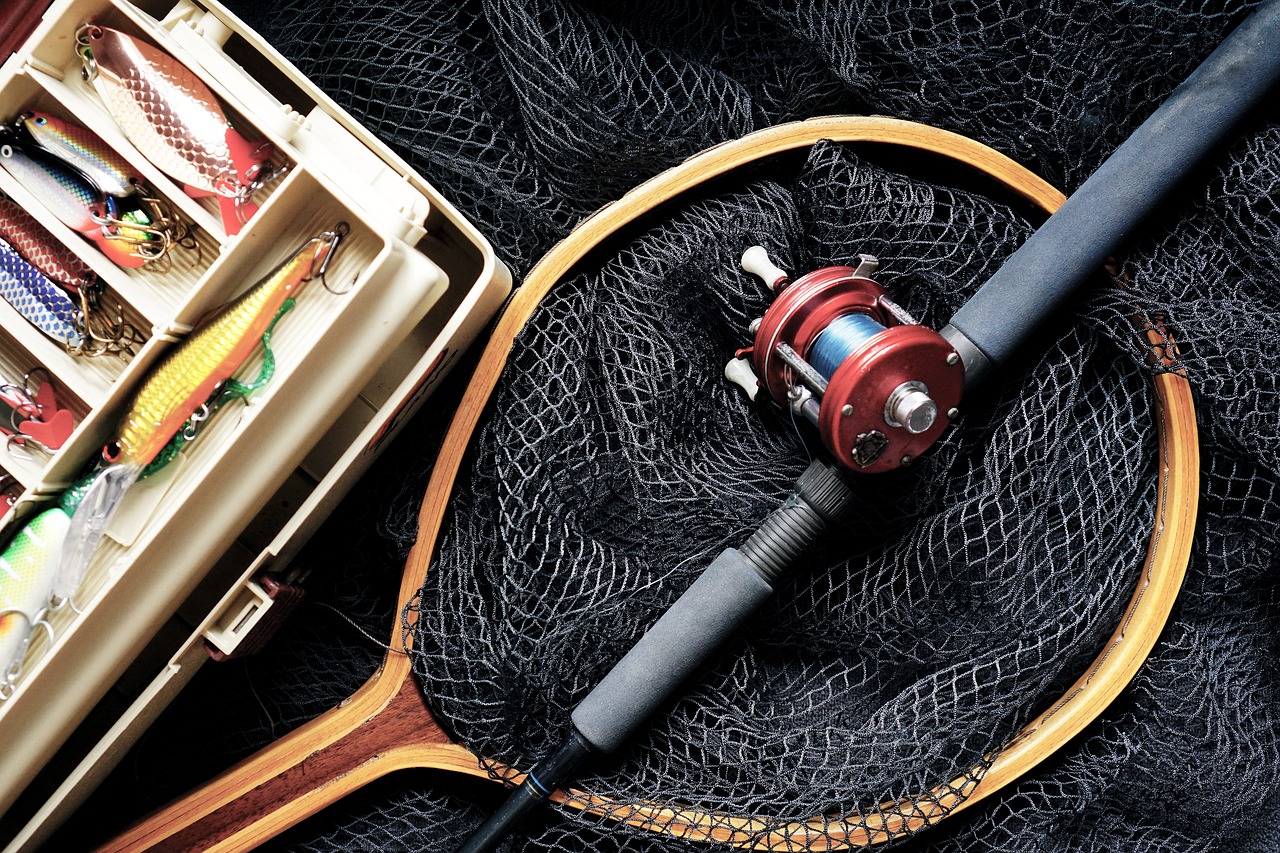
Versatile rod and reel combinations allow you to adapt to various situations encountered while exploring different locations. A medium-power spinning outfit handles most situations adequately, while adding a baitcasting setup expands your ability to fish heavy cover and larger lures effectively.
Terminal tackle selection should match the water you’re fishing. Rocky areas require different hook styles and weights than vegetation-heavy waters. Maintaining diverse tackle allows you to adjust presentations based on what each location demands.
Safety equipment becomes critical when exploring unfamiliar waters. Life jackets, first aid supplies, communication devices, and weather monitoring equipment protect you while allowing confident exploration of new fishing locations.
Organization systems keep tackle accessible and protected during location changes. Tackle bags or boxes with logical organization enable quick lure changes and adjustments without wasting productive fishing time searching for gear.
💡 Advanced Strategies for Locating Fish
Pattern recognition separates consistently successful anglers from those who occasionally get lucky. When you catch fish, immediately analyze what made that location productive—depth, structure, cover, current, temperature—then replicate those conditions elsewhere.
Elimination techniques narrow your search efficiently on large waters. Systematically checking various depths, structure types, and areas allows you to eliminate unproductive water and concentrate efforts where fish are actively feeding.
Experimentation with different presentations in the same location often reveals that fish are present but not responding to initial offerings. Changing lure types, colors, sizes, and retrieval speeds can trigger strikes from fish you might otherwise believe are absent.
Confidence in locations develops through repeated success and breeds persistence that often separates limits from skunks. When you know an area holds fish, continued effort through temporary slow periods frequently pays off with explosive action.
🌟 Creating Your Personal Fishing Location Database
Building a catalog of productive locations takes time but creates invaluable resources for future fishing trips. GPS coordinates, detailed notes about seasonal patterns, and photographic documentation of areas create references you’ll use for years.
Organizing information by season, species, and conditions makes it quickly accessible when planning trips. Digital tools, mapping software, and even simple notebooks all work effectively when maintained consistently.
Sharing select information with trusted fishing partners builds reciprocal relationships where everyone benefits from collective knowledge. While protecting truly special locations is understandable, generous sharing often returns exponentially through others’ discoveries.
Continuous learning through reading, watching educational content, and attending seminars keeps your knowledge base expanding. Fishing science and techniques evolve constantly, making ongoing education important for maintaining effectiveness across changing conditions and locations.
