
Anúncios
Look, credit cards aren’t the devil everyone makes them out to be – they’re actually brilliant financial tools when you know what you’re doing. 💳





Learn More
Alright, let’s cut through the noise here. I’ve watched countless people treat their credit cards like they’re radioactive waste, while others swipe them like there’s no tomorrow and end up in a financial mess that would make a soap opera jealous. The truth? Both approaches are missing the point entirely.
Credit cards are like fire – dangerous if you’re careless, but absolutely essential once you understand how to handle them. And today, we’re diving deep into this plastic rectangle that either builds your financial empire or becomes your worst enemy. No fluff, no boring finance-speak, just the real talk you need.
Why Everyone Gets Credit Cards Wrong From Day One 🎯
Here’s the thing that drives me absolutely nuts: most people get their first credit card without understanding what they’re actually signing up for. They see “pre-approved” and think they’ve won the lottery, when really they’ve just been handed a tool they have zero training to use.
Banks aren’t charities. They’re offering you credit because they expect to make money – either from transaction fees merchants pay, or better yet, from those sweet, sweet interest charges when you carry a balance. Understanding this dynamic completely changes the game.
The credit card company’s dream customer is someone who carries a balance but never defaults. They want you dancing right on that edge, paying interest forever but never actually falling into the financial abyss. Your goal? Be their nightmare customer – the one who uses their services without ever paying them a cent in interest.
The Benefits Nobody Talks About (But Absolutely Should) 💰
Let’s get real about what credit cards actually offer when you use them strategically. This isn’t just about accumulating points to feel fancy – these benefits have actual monetary value.
Purchase Protection That Saves Your Bacon
Bought something online and it arrived broken? That laptop you purchased suddenly died after three months? Many credit cards offer purchase protection that extends beyond manufacturer warranties. I’ve personally saved hundreds using this feature, and most people don’t even know it exists.
This protection typically covers theft, damage, or loss on items purchased with your card for a specific period. Some premium cards even double the manufacturer’s warranty automatically. That’s free insurance, people.
Travel Perks That Actually Matter
Forget the glamorous Instagram posts about lounge access for a second. The real travel benefits are more practical and valuable than you think. Trip cancellation insurance, lost luggage coverage, rental car insurance – these aren’t just fancy words in the terms and conditions.
I once had a flight cancelled due to a storm, and while everyone else was panicking about hotel costs, my credit card covered the emergency accommodation. Didn’t cost me a penny. That’s the kind of benefit that pays for the annual fee several times over in a single incident.
Building Credit Without Breaking a Sweat
Your credit score isn’t some mystical number assigned by financial wizards – it’s a mathematical calculation based on your behavior. And credit cards are one of the fastest ways to build positive credit history, assuming you don’t mess it up.
Every on-time payment, every month you keep your utilization low, every year of account history – it all adds up to make you look like financial gold to future lenders. Want that mortgage with a killer interest rate? Your credit card usage today is setting up that win tomorrow.
The Dark Side: Where People Absolutely Wreck Themselves 🔥
Now for the uncomfortable truth part. Credit cards destroy people’s finances every single day, and it’s not because the cards are evil – it’s because people treat them like magic money machines.
The average credit card interest rate hovers around 20% APR in many markets. Let that sink in. If you carry a $5,000 balance and only make minimum payments, you’ll pay thousands in interest and take years to clear it. That’s not a financial tool – that’s a financial trap.
Here’s where people go wrong: they see their credit limit as available money rather than borrowed money that needs repayment. It’s a psychological trick, and it’s devastatingly effective. That $10,000 limit isn’t your money – it’s a loan you’re pre-approved for, complete with brutal interest rates if you don’t pay it back quickly.
The Minimum Payment Illusion
Banks love advertising how “low” your minimum payment is. “Only $50 this month!” sounds manageable, right? Wrong. That minimum payment is designed to maximize their interest income while keeping you perpetually in debt.
Making minimum payments is like trying to empty an Olympic swimming pool with a teaspoon while someone’s pumping water in from the other end. Technically you’re making progress, but you’ll be there until you’re collecting social security.
How To Actually Use Credit Cards Like A Financial Genius 🧠
Alright, enough doom and gloom. Let’s talk strategy – the stuff that separates people who build wealth from people who fund bank executive bonuses.
The Golden Rule That Changes Everything
Ready for the secret? Never spend money on your credit card that you don’t already have in your bank account. Revolutionary, I know.
This one rule eliminates 90% of credit card problems. Your credit card becomes a payment method, not a loan. You’re using it for the benefits, protection, and rewards, while paying it off in full every single month. Zero interest paid. Ever.
The 30% Utilization Sweet Spot
Credit scoring models love seeing you use credit responsibly. But here’s the trick – keeping your utilization (the percentage of available credit you’re using) under 30% optimizes your score.
Got a $10,000 limit? Keep your balance below $3,000, and ideally much lower. Even better, pay it off multiple times per month if needed to keep that reported balance low. Your credit score will thank you with better rates on everything from car loans to mortgages.
Strategic Category Spending
Not all credit cards are created equal, and the smart players optimize their spending across multiple cards. One card might give 5% back on groceries, another 3% on gas, and another flat 2% on everything else.
This isn’t about being complicated for complexity’s sake – it’s about maximizing value. If you’re spending $500 monthly on groceries anyway, why not get $25 back instead of $5? That’s $240 annually just for using the right piece of plastic.
Rewards Programs: The Game Within The Game 🎮
Let’s talk about the rewards economy, because this is where things get genuinely interesting if you’re playing attention.
Cashback is straightforward – you get a percentage of your spending back in actual money. Simple, clean, no nonsense. Points and miles are more complicated but potentially more valuable if you’re willing to learn the system.
I’ve seen people book flights worth $800 using points that cost them maybe $200 in actual spending. But I’ve also seen people obsess over points to the degree that they’re making poor financial decisions just to accumulate more. Balance, people.
The Transfer Partner Loophole
Here’s something that blows most people’s minds: credit card points often transfer to airline and hotel partners at ratios that can make them dramatically more valuable than cashback. A point worth 1 cent as cashback might be worth 2-3 cents when transferred strategically.
But this requires research and planning. You can’t just wing it and expect maximum value. The people crushing it with points spend time understanding the systems, tracking deals, and optimizing redemptions.
Red Flags That Scream “Avoid This Card” 🚩
Not all credit cards deserve a spot in your wallet. Some are straight-up terrible deals designed to trap unsuspecting consumers.
Annual fees without corresponding benefits are an immediate red flag. If you’re paying $95 yearly but getting nothing back, you’re being played. Premium cards with high fees can be worth it, but only if you’re actually using the benefits that justify the cost.
Watch out for cards with interest rates above 25%. While you shouldn’t be paying interest anyway if you’re following the golden rule, these predatory rates signal a card designed to extract maximum profit from people in tough situations.
Foreign transaction fees are increasingly inexcusable. Plenty of cards offer zero foreign transaction fees, so why accept one that charges 3% every time you travel internationally or buy something in foreign currency?
Advanced Moves For When You Level Up 📈
Once you’ve mastered the basics, there are some next-level strategies that can really amplify your credit card game.
Balance Transfer Arbitrage
Some cards offer 0% APR promotional periods on balance transfers or purchases. Sophisticated players use these offers strategically – not to finance purchases they can’t afford, but to essentially get free loans they invest elsewhere for profit.
This is advanced territory and not for everyone. One mistake and you’re paying back-interest or penalty rates that erase any gains. But done correctly, it’s essentially free leverage.
Authorized User Strategy
Adding someone as an authorized user on your well-managed credit card can help them build credit history. Parents do this for college-age kids, or partners do it for each other. The account history appears on both credit reports.
But be warned – this is a two-way street. If the primary account holder messes up, it hurts everyone’s credit. And if the authorized user goes on a spending spree, the primary holder is legally responsible.
The Credit Card Mistakes That Haunt You For Years 👻
Some credit card mistakes are minor inconveniences. Others follow you around like a financial ghost, making your life harder for years to come.
Late payments are the big one. A single 30-day late payment can drop your credit score by 100 points and stay on your report for seven years. Seven. Years. Set up autopay for at least the minimum payment, even if you plan to pay more manually.
Closing old credit cards seems logical but often hurts your score by reducing your average account age and total available credit. Unless there’s an annual fee you can’t justify or the temptation to overspend is too strong, keep those old accounts open with occasional small purchases.
Maxing out your cards is another score-killer. Even if you pay it off in full every month, high utilization at statement closing time gets reported to credit bureaus and tanks your score temporarily. Monitor your statement dates and make payments before closing if you’re carrying high balances.
When Credit Cards Make Sense (And When They Don’t) ⚖️
Real talk time – credit cards aren’t for everyone, at least not at every life stage.
If you’re currently struggling with debt, adding another credit card is like giving someone drowning a glass of water. It’s not helpful. Focus on getting your financial foundation solid before optimizing rewards and benefits.
If you historically overspend and can’t trust yourself with credit, that’s valuable self-awareness. Cash or debit cards create natural spending limits that prevent the borrowing trap. There’s no shame in recognizing your relationship with credit isn’t healthy and choosing alternatives.
But if you’re financially stable, paying your bills on time, and treating credit responsibly, then yes – credit cards are probably beneficial for you. The protections, rewards, and credit-building benefits outweigh the risks when you’re managing them properly.
Your Credit Card Strategy Blueprint 🗺️
So what does a smart credit card strategy actually look like in practice? Let me break it down into actionable steps.
Start with one good card that matches your spending patterns. If you spend heavily on groceries, get a card with strong grocery rewards. If you travel frequently, prioritize travel benefits. Don’t overcomplicate this initially.
Set up automatic payments for the full statement balance every month. This single action prevents interest charges and late payment fees while building perfect payment history.
Track your spending, but don’t obsess. A quick weekly check ensures you’re aware of all charges and catches any fraudulent activity quickly. Most card apps make this trivial nowadays.
Review your cards annually. Are you still getting value from that annual fee card? Has your spending changed making a different card more optimal? Your financial life evolves, and your credit card strategy should evolve with it.
Use alerts strategically. Set up notifications for large purchases, international transactions, and approaching credit limits. These act as guardrails preventing both fraud and overspending.
The Future Of Credit Cards Is Already Here 🚀
The credit card landscape is evolving rapidly, and understanding where things are headed helps you make smarter decisions today.
Digital wallets and contactless payments are making physical cards increasingly optional. Security features like virtual card numbers for online shopping are becoming standard, protecting you from data breaches and fraud.
Personalization is the new frontier. Cards that automatically adjust reward categories based on your spending, apps that gamify responsible credit use, and AI-powered spending insights are transforming credit cards from static products into dynamic financial tools.
Buy now, pay later services are competing with traditional credit cards, offering interest-free installments that appeal to younger consumers skeptical of credit cards. But make no mistake – these are just credit by another name, with their own risks and benefits to evaluate.
Making Credit Cards Work For Your Goals 🎯
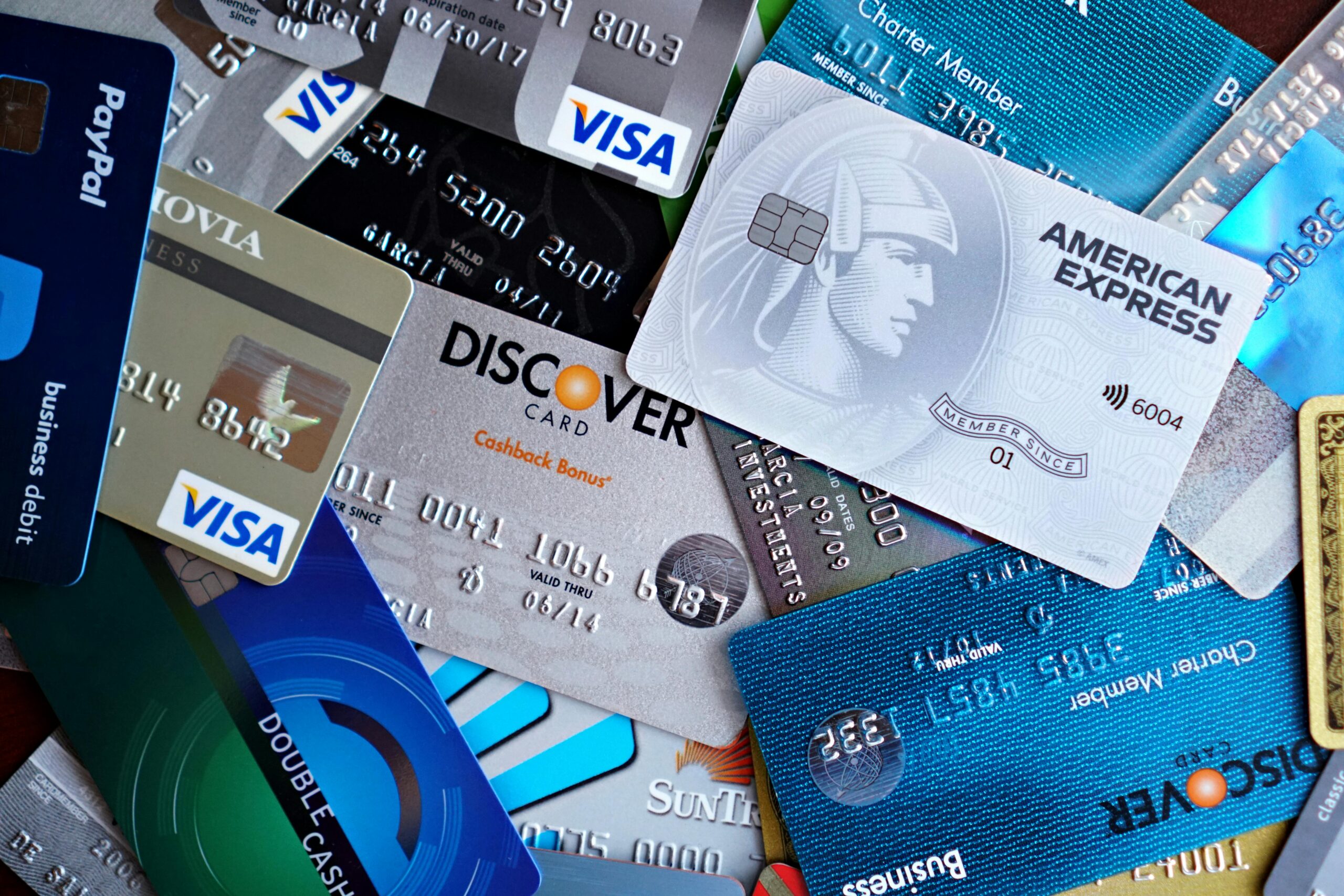
Here’s the bottom line that ties everything together: credit cards are tools, nothing more and nothing less. They’re not evil, they’re not free money, and they’re not automatically good or bad.
Your job is to understand how they work, recognize the incentives at play, and use them strategically to support your actual financial goals. Want to build credit for a home purchase? Credit cards are essential. Want to maximize value on spending you’re doing anyway? Rewards cards are brilliant. Want to protect your purchases and extend warranties? Those benefits are genuinely valuable.
But if you’re using credit cards to finance a lifestyle you can’t afford, or treating them as emergency funds because you don’t have real savings, then you’re setting yourself up for pain. The card isn’t the problem – the underlying financial instability is.
The people who win with credit cards aren’t lucky or special – they’re disciplined and informed. They understand the system, play by rules that benefit them, and never confuse access to credit with actual wealth.
So where do you go from here? Start simple. Master the basics. Pay in full every month. Keep utilization low. Use the protections and benefits you’re already paying for through merchant fees. Build that credit history steadily.
Then, once those fundamentals are rock solid, you can explore the advanced strategies that squeeze even more value from the system. But crawl before you run, because the cost of mistakes with credit can follow you for years.
Credit cards have the potential to be either your financial ally or your worst enemy. The difference isn’t the card – it’s you, your knowledge, and your discipline. Choose wisely, and may your credit score be ever in your favor. 💪
