Anúncios
Look, let me be real with you: credit cards are either your best friend or your worst nightmare, and spoiler alert – you get to choose which one. 🎭
Learn More
I know what you’re thinking. “Great, another article telling me credit cards are evil and I should cut them all up and live in a cave eating berries.” Nah, that’s not my vibe. Instead, I’m going to give you the actual tea on how these plastic rectangles work and how you can flip the script to make them work FOR you instead of against you.
Because here’s the thing nobody really talks about: credit cards are just tools. They’re like hammers. You can build a house with a hammer, or you can… well, let’s not go there. The point is, the tool isn’t good or bad – it’s all about how you use it. And most people? They’re using it completely wrong, which is exactly why credit card companies are swimming in pools of money like Scrooge McDuck while regular folks are drowning in debt.
So buckle up, because we’re about to demystify this whole credit card game. I promise to keep it real, keep it fun, and most importantly, keep it useful. No boring financial jargon that puts you to sleep faster than a documentary about paint drying. Just straight-up practical knowledge you can actually use.
The Real Deal: What Credit Cards Actually Are (And What They’re Not) 💳
First things first – let’s get crystal clear on what a credit card actually is. It’s NOT free money. I repeat: IT’S NOT FREE MONEY. I know it feels like magic when you swipe and stuff just appears in your shopping cart, but that’s exactly the trap.
A credit card is essentially a short-term loan that you’re taking out every single time you use it. The bank is basically saying, “Hey, I’ll cover this purchase for you, and you can pay me back later.” Sounds nice, right? It is – until you realize they’re charging you anywhere from 15% to 30% interest if you don’t pay it back on time.
Think of it this way: if your friend offered to buy you lunch but charged you $20 for a $10 sandwich just because you didn’t pay them back within a month, you’d think they were absolutely nuts. Yet that’s basically what we accept with credit cards without batting an eye.
The Perks That Actually Make Sense (Because Not Everything Is a Scam) ✨
Okay, now that we’ve covered the scary part, let’s talk about why credit cards aren’t completely evil. In fact, when used correctly, they come with some pretty sweet benefits that can actually save you money and make your life easier.
Cashback and Rewards: Getting Paid to Spend
This is where things get interesting. Many credit cards offer cashback rewards, which means you’re literally getting money back for purchases you were going to make anyway. It’s like finding money in your jacket pocket, except it happens regularly and you know exactly how it got there.
Some cards give you flat cashback on everything – usually around 1-2%. Others have rotating categories that give you higher rewards (like 5%) on specific things like groceries, gas, or dining. The key is matching the card to your actual spending habits, not the other way around.
Travel Perks That Don’t Suck
If you travel even semi-regularly, credit card travel benefits can be absolute game-changers. We’re talking free checked bags, airport lounge access, travel insurance, and points that can actually get you free flights or hotel stays.
I’m not saying you should book a trip to Bali just because you have points (though if you do, invite me). But if you’re traveling anyway, why not make it more comfortable and affordable?
Purchase Protection: Your Secret Weapon
Here’s something most people don’t even know about: many credit cards offer purchase protection, extended warranties, and fraud protection that goes way beyond what you get with a debit card or cash.
Bought something that broke? Your credit card might cover it. Something stolen? Protected. Someone steals your card info and goes on a shopping spree? You’re not liable for those charges. Try getting that level of protection with cash. Spoiler: you can’t.
The Dark Side: Where People Mess Up Big Time 😱
Alright, real talk time. Let’s address the elephant in the room: why do so many people end up in credit card debt that makes them want to fake their own death and move to another country?
The Minimum Payment Trap
This is the big one. Credit card companies LOVE to show you that minimum payment option – usually just 2-3% of your balance. Looks harmless, right? WRONG. That’s how they get you.
Let me break down some quick math that’ll blow your mind: if you have a $5,000 balance at 20% APR and only pay the minimum each month, you’ll be paying for over 20 years and end up paying more than $8,000 in interest alone. For that same $5,000 purchase. Let that sink in.
The “I’ll Pay It Off Later” Lie
We’ve all been there. You see something you want, you don’t quite have the money, but you think “I’ll just put it on the card and pay it off when I get paid.” Then next month comes, something else pops up, and suddenly you’re juggling multiple balances like a circus performer on a tightrope.
This is called lifestyle creep, and it’s sneaky as hell. Your spending slowly increases to match your credit limit rather than your actual income, and before you know it, you’re living paycheck to paycheck while making the credit card company rich.
The Secret Sauce: How to Actually Use Credit Cards Like a Boss 🎯
Now we’re getting to the good stuff. This is where I’m going to show you how to flip the entire credit card game on its head and make it work in your favor.
Rule Number One: Pay It Off Every Single Month
I’m not being dramatic here – this is THE rule that changes everything. If you pay off your full balance every month, you never pay interest. Ever. Which means you’re essentially getting an interest-free loan every month AND collecting rewards on top of it.
Think about it: you’re using the bank’s money for 30 days, getting cashback or points, and then paying it back without any fees. That’s not you using the credit card – that’s you using the credit card company. See the difference?
The Budget Before Swipe Strategy
Here’s a revolutionary idea: only put purchases on your credit card that you’ve already budgeted for and have the cash to cover. I know, wild concept. But seriously, treat your credit card like a debit card that just happens to give you rewards.
Before you swipe, ask yourself: “Do I have the money in my checking account to pay this off right now?” If the answer is no, don’t buy it. Period. End of story. No exceptions for “emergencies” that are really just things you want but don’t need.
The Multiple Card Masterplan
Once you’ve mastered using one card responsibly, you might consider having multiple cards to maximize rewards. This isn’t for beginners, but it can be powerful.
For example, you might have one card for groceries that gives you 3% back, another for gas that gives you 5%, and a general card for everything else that gives you 2%. You’re essentially getting paid more to spend money you were going to spend anyway.
Credit Score Magic: The Hidden Benefit Nobody Talks About Enough 📈
Let’s talk about something that affects your entire financial life but that most people barely understand: your credit score.
Using credit cards responsibly is actually one of the best ways to build a strong credit score. And a good credit score isn’t just some arbitrary number – it affects everything from getting approved for a mortgage to the interest rate you pay on car loans to whether you can rent that nice apartment.
The key factors are: paying on time (this is HUGE), keeping your credit utilization low (using less than 30% of your available credit), and having a longer credit history. Every time you pay your credit card bill on time, you’re essentially leveling up your financial reputation.
The Utilization Rate Trick
Here’s an insider tip: credit scoring models look at what percentage of your available credit you’re using. If you have a $10,000 limit and you’re using $9,000, that looks risky. But if you’re only using $1,000, that looks responsible.
The sweet spot? Keep your utilization under 30%, and ideally under 10% for the best scores. This is another reason why paying off your balance monthly is crucial – it keeps your utilization low and your score high.
The Apps and Tools That Make This All Easier 📱
Look, I’m all about making life easier, and there are some genuinely helpful apps that can help you manage your credit cards without losing your mind.
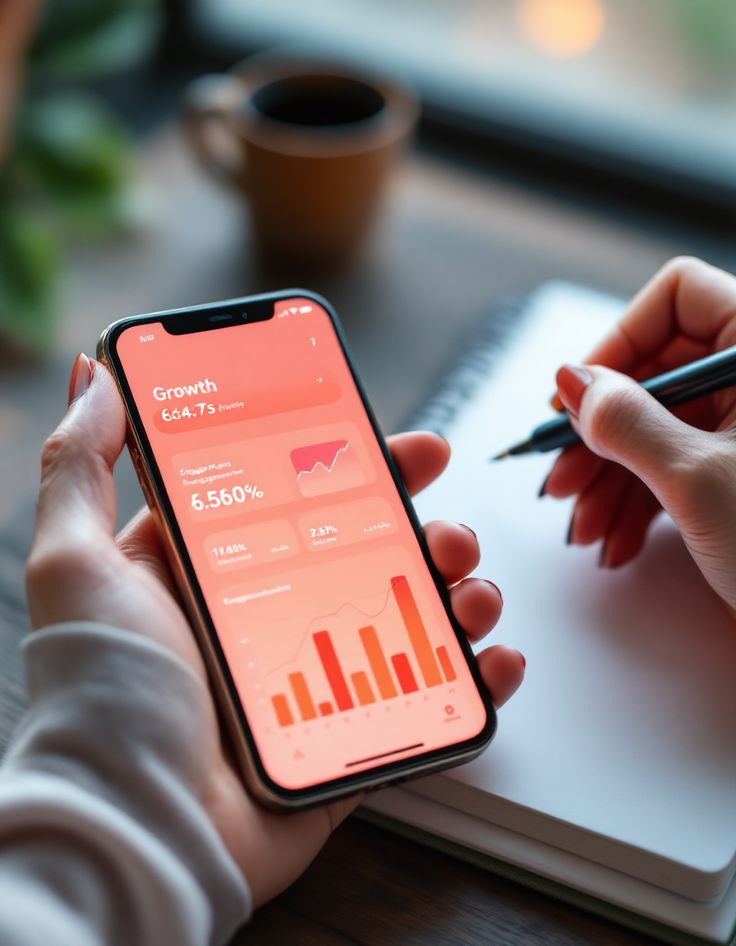
Budgeting apps can connect to your credit cards and automatically categorize your spending, showing you exactly where your money is going. This is crucial because the biggest mistake people make is not tracking their spending at all.
Payment reminder apps can alert you before your due date so you never miss a payment (which tanks your credit score and costs you late fees). Some credit card companies also have their own apps with built-in alerts and spending tracking tools.
The Scenarios Where Credit Cards Are Your Best Friend 🤝
Let me paint you some real-world scenarios where credit cards actually make your life better:
Scenario 1: The Emergency Fund Buffer – Your car breaks down and needs a $800 repair. Instead of draining your entire emergency fund immediately, you put it on your credit card, keep your cash cushion intact, and pay off the card when your next paycheck comes. You’re using the float to maintain financial flexibility.
Scenario 2: The Big Purchase Play – You need to buy a new laptop for work. By putting it on a card with purchase protection and extended warranty, you get an extra year of warranty coverage and protection if it breaks or gets stolen. Plus you get 2% cashback, essentially getting a $20 discount on a $1,000 laptop.
Scenario 3: The Travel Hack – You book a flight with your travel rewards card. The flight gets cancelled, but your card’s trip cancellation insurance covers your non-refundable hotel. You also get lounge access during your layover. The card effectively saved you hundreds while making your trip more comfortable.
The Red Flags You Need to Avoid Like Your Ex 🚩
Some credit card offers and practices are just straight-up traps. Here’s what to watch out for:
Annual fees that aren’t worth the benefits you actually use. Sure, that premium card has amazing perks, but if you’re not traveling enough to use the lounge access and travel credits, you’re literally paying for nothing.
Store credit cards with insane interest rates (we’re talking 25-30%). That 15% discount they offer you at checkout? You’ll pay it back in interest if you carry a balance for even two months.
Cash advance features – these almost always come with immediate interest charges and hefty fees. Using your credit card to get cash is basically the financial equivalent of calling your ex at 2am. Just don’t.
The Bottom Line: Your Action Plan Starting Right Now 💪
Here’s what you’re going to do. Not tomorrow, not next week – starting today.
First, pull up your current credit card situation. What’s your balance? What’s your interest rate? When’s your payment due? If you don’t know these numbers off the top of your head, that’s your first problem.
Second, set up automatic payments for at least the minimum (though you should be aiming for full payment). Missing payments is literally throwing money away in late fees and interest while destroying your credit score.
Third, track your spending for one month. Write it down, use an app, whatever works. You need to know where your money is actually going, not where you think it’s going. The difference is usually shocking.
Fourth, make a plan to pay off any existing balance. If you’re carrying debt, focus all your energy on killing it. Stop using the card for new purchases until you’re at zero. Then, and only then, start using it strategically for rewards.
The truth is, credit cards are neither heroes nor villains – they’re just tools in your financial toolkit. Used wisely, they can help you build credit, earn rewards, and manage your cash flow more effectively. Used carelessly, they can trap you in a cycle of debt that takes years to escape.
The power is completely in your hands. The credit card companies are betting that you’ll mess up, carry a balance, and make them rich. Prove them wrong. Be the person who pays in full every month, racks up rewards, and builds an excellent credit score while doing it.
And remember: if you can’t afford to pay cash for something, you can’t afford to put it on a credit card. That might sound harsh, but it’s the truth that’ll keep you from joining the millions of people who are stressed about credit card debt.
So go forth and conquer. Use those plastic rectangles to your advantage. Get your cashback. Enjoy your travel perks. Build that credit score. And most importantly, sleep easy at night knowing you’re in control of your finances, not the other way around. You’ve got this. 💯
