
Anúncios
Traffic signs are the silent guardians of road safety, communicating essential information to drivers, pedestrians, and cyclists through universally recognized symbols and colors that transcend language barriers.
Understanding the Language of the Road

Visit Official Traffic Resources
Every day, millions of people navigate roads filled with a complex system of visual communication designed to keep everyone safe. These colorful signs, signals, and markings form an intricate language that drivers must understand to operate vehicles responsibly. From regulatory commands to helpful warnings and directional guidance, traffic signs play a crucial role in preventing accidents and maintaining order on our roadways.
Whether you’re a new driver learning the basics or an experienced motorist looking to refresh your knowledge, understanding traffic signs is fundamental to safe driving. This comprehensive guide will explore the different categories of traffic signs, their meanings, and why recognizing them instantly can make the difference between a safe journey and a potentially dangerous situation.
🚦 The Three Main Categories of Traffic Signs
Traffic signs are systematically organized into three primary categories, each serving a distinct purpose and featuring characteristic shapes and colors that help drivers identify them quickly, even from a distance.
Regulatory Signs: The Rules You Must Follow
Regulatory signs are the enforcers of traffic law, displaying rules that drivers must obey by legal requirement. These signs typically feature a white background with black text or symbols, though some use red for emphasis. Violating the instructions on regulatory signs can result in fines, points on your license, or more serious legal consequences.
The most recognizable regulatory sign is the octagonal red STOP sign, which requires drivers to come to a complete halt before proceeding. Its unique eight-sided shape ensures instant recognition, even when partially obscured by snow or damage. The yield sign, shaped like an inverted triangle, instructs drivers to slow down and give right-of-way to other traffic.
Speed limit signs establish the maximum safe velocity for specific road sections, varying based on road conditions, population density, and accident history. These rectangular signs with black numbers on white backgrounds are among the most common regulatory markers you’ll encounter. Some jurisdictions also use minimum speed limit signs to prevent dangerously slow driving on highways.
One-way signs prevent wrong-way travel on designated streets, while no-entry signs prohibit vehicles from entering specific areas. Turn prohibition signs, featuring red circles with diagonal lines through arrows, indicate where turns are not permitted. These restrictions often exist due to traffic flow patterns, safety concerns, or infrastructure limitations.
Warning Signs: Anticipating Road Hazards
Warning signs alert drivers to potential dangers ahead, giving them time to adjust speed, increase awareness, or prepare for unusual conditions. Most warning signs feature a diamond shape with a yellow background and black symbols or text, making them highly visible during daylight hours.
Curve warning signs indicate upcoming bends in the road, with chevron markers sometimes accompanying sharp curves to guide drivers through the turn. These signs often include advisory speed limits suggesting the safest velocity for navigating the curve. Steep grade warnings inform drivers about significant uphill or downhill sections where engine strain or brake fade might become concerns.
Animal crossing signs warn of areas where wildlife frequently crosses roadways, particularly common in rural or wilderness areas. Deer, elk, cattle, and other animals pose serious collision risks, especially during dawn and dusk when visibility decreases. Slippery when wet signs alert drivers to road surfaces that become particularly hazardous during rain, often found on bridges or areas with poor drainage.
Construction zone warnings indicate areas where workers, equipment, and altered traffic patterns create temporary hazards. These orange signs demand extra attention and reduced speeds to protect both workers and travelers. School zone signs, featuring fluorescent yellow-green backgrounds, mark areas where children may be crossing and lower speed limits apply during specific hours.
Guide Signs: Navigation and Information
Guide signs provide directional information, distance markers, and location identification to help travelers navigate efficiently. Unlike regulatory and warning signs, guide signs offer helpful information rather than commands or alerts.
Highway route markers display interstate, state, and local road numbers, helping drivers confirm they’re traveling on the correct route. Interstate signs feature a distinctive shield shape with blue and red colors, while state routes typically use simple geometric shapes. Mile markers along highways help emergency services locate incidents precisely and assist travelers in tracking their progress.
Destination signs indicate directions to specific cities, attractions, or services, often accompanied by distance information. These green signs with white text guide drivers toward their intended destinations, becoming increasingly detailed as you approach intersections where navigation decisions must be made. Exit signs on limited-access highways provide advance notice of upcoming exits, listing services available at each interchange.
Service signs feature a blue background and white symbols indicating nearby facilities like gas stations, restaurants, hospitals, and lodging. These signs help travelers find essential services without extensive searching, particularly valuable in unfamiliar areas or during emergencies.
🎨 The Psychology Behind Traffic Sign Colors
Color coding in traffic signage isn’t arbitrary—each hue carries specific meanings that have been standardized internationally to ensure consistency and instant recognition across different regions and countries.
Red universally signals prohibition, danger, or mandatory stops. Its high visibility and psychological association with urgency make it ideal for critical commands that require immediate driver response. Red appears on stop signs, yield signs, wrong-way markers, and prohibition symbols, ensuring these crucial messages capture attention instantly.
Yellow indicates caution and warning, alerting drivers to potential hazards without commanding specific actions. This color creates heightened awareness while allowing drivers to assess situations and respond appropriately. The bright yellow stands out against most environmental backgrounds, remaining visible in various weather and lighting conditions.
Green signifies guidance, permission, and directional information. Its calming psychological effect makes it suitable for informational content that doesn’t require urgent action. Green signs help drivers navigate without creating anxiety or distraction from primary driving tasks.
Blue marks services and informational content of a non-directional nature. This color provides useful information without suggesting urgency, helping travelers locate amenities while maintaining focus on safe driving. Blue’s distinction from other sign colors prevents confusion with regulatory or warning messages.
Orange designates temporary conditions, particularly construction zones and maintenance areas. Its high visibility and association with caution make it perfect for alerting drivers to changing conditions that weren’t present during previous trips on the same route.
📐 Why Sign Shapes Matter for Quick Recognition
Traffic sign shapes provide an additional layer of communication beyond color and symbols, allowing drivers to identify sign categories even when they cannot yet read the text or clearly see the symbols.
The octagon appears exclusively for stop signs worldwide, ensuring that even if the word “STOP” is in an unfamiliar language or the sign is partially covered, drivers recognize the requirement to halt. This unique shape-meaning relationship has been maintained internationally for over a century, demonstrating its effectiveness.
Inverted triangles signal yield conditions, where drivers must prepare to stop if necessary but may proceed if the way is clear. The downward point creates a visual metaphor for giving way or lowering one’s priority in traffic flow.
Diamonds indicate warnings, their angular shape suggesting attention and caution without the aggressive stop command of an octagon. The diamond shape stands out from the rectangular guide signs and circular regulatory markers, creating instant category recognition.
Rectangles serve multiple purposes depending on orientation. Vertical rectangles typically contain regulatory information, while horizontal rectangles provide guidance and directional content. This distinction helps drivers quickly categorize information as either mandatory compliance or helpful navigation.
Circles traditionally indicate railroad crossings or, in some international systems, mandatory actions. The round shape suggests continuity and ongoing attention, appropriate for locations requiring sustained awareness.
Pentagons mark school zones and pedestrian crossings in many jurisdictions, their unusual five-sided shape demanding attention in areas where vulnerable road users require extra protection. The distinctive shape ensures these critical safety zones receive appropriate driver caution.
🌍 International Variations and Standardization Efforts
While traffic sign principles remain relatively consistent worldwide, regional variations exist that can challenge international travelers. The Vienna Convention on Road Signs and Signals established baseline standards adopted by most countries, but complete uniformity remains elusive.
European signs often rely more heavily on pictographic symbols with minimal text, making them more universally understandable across language barriers. Priority road signs, indicated by a yellow diamond, inform drivers they have right-of-way at upcoming intersections—a concept less common in North American signage systems.
North American signs frequently incorporate more text-based information alongside or instead of symbols. While this provides clarity for native English speakers, it can create challenges for international visitors or non-English speakers. However, efforts continue to increase symbol usage and reduce language dependency in critical safety signage.
Asian traffic systems blend international standards with region-specific innovations, sometimes incorporating technological elements like LED displays that change messages based on traffic conditions or time of day. These dynamic signs represent the evolution of traffic control beyond static physical markers.
Understanding these variations becomes crucial for international travelers. Researching the specific traffic sign conventions of your destination country helps prevent confusion and ensures compliance with local regulations. Many international driver’s licenses include basic sign guides, but thorough preparation remains the driver’s responsibility.
🚸 Special Purpose Signs That Save Lives
Beyond the standard categories, specialized traffic signs address specific safety concerns and vulnerable road user protection, often featuring unique designs that ensure maximum attention and compliance.
School zone signs employ fluorescent yellow-green backgrounds that provide exceptional visibility during the dawn and dusk hours when children travel to and from school. These signs often include flashing beacons during school hours, creating unmistakable alerts that demand reduced speeds and heightened awareness. The reduced speed limits in these zones, typically 15-25 mph, reflect the unpredictable movement patterns of children and their limited traffic awareness.
Pedestrian crossing signs warn drivers of designated areas where foot traffic crosses roadways. These signs become particularly important in urban environments where pedestrian volumes are high and driver attention may be divided among multiple stimuli. Marked crosswalks, often accompanied by overhead signage and road surface markings, create predictable crossing locations that improve safety for both pedestrians and drivers.
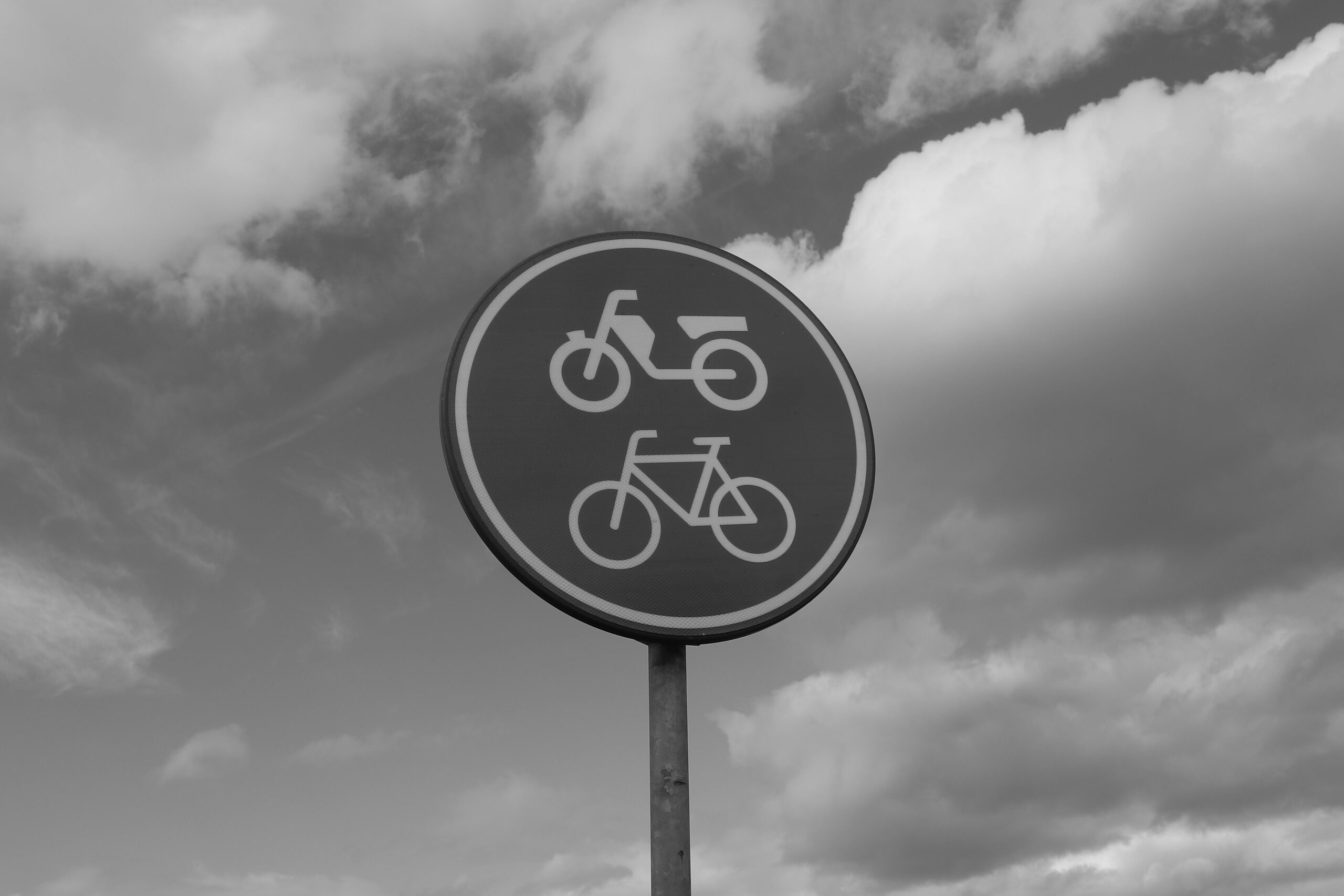
Bicycle route signs guide cyclists along designated paths and warn motorists of increased bicycle traffic. As cycling gains popularity for recreation, fitness, and transportation, these signs help different road users coexist safely by setting appropriate expectations and encouraging defensive driving behaviors.
Emergency vehicle warning signs alert drivers to locations where fire stations, ambulance services, or other emergency responders frequently enter traffic flow. These signs encourage extra vigilance and readiness to yield, potentially saving critical seconds during emergency responses.
💡 Technological Advances in Traffic Signage
Modern traffic control increasingly incorporates dynamic elements that adapt to changing conditions, representing a significant evolution from traditional static signs that display unchanging information regardless of circumstances.
Variable message signs use electronic displays to communicate real-time information about traffic conditions, weather hazards, travel times, and emergency situations. These signs can instantly update their messages, providing current information that static signs cannot match. Highway systems use these displays to route traffic around accidents, alert drivers to severe weather, and provide Amber Alert information for missing children.
Speed feedback signs display the approaching vehicle’s current speed, creating awareness when drivers exceed safe limits. These signs prove particularly effective in school zones and residential areas where speed enforcement may be limited. The immediate feedback helps drivers self-regulate without punitive measures, though many jurisdictions combine these signs with enforcement cameras for persistent violators.
Smart traffic signals integrate with vehicle detection systems and traffic management networks to optimize signal timing based on actual traffic flow rather than predetermined patterns. These systems reduce unnecessary delays, decrease fuel consumption, and minimize the frustration that sometimes leads to aggressive driving behaviors.
Reflective technology improvements have enhanced nighttime visibility dramatically. Modern retroreflective materials return light directly toward its source, making signs visible at greater distances when illuminated by vehicle headlights. This technology proves especially valuable in rural areas without street lighting, where sign visibility once depended on moonlight or deteriorated significantly during nighttime hours.
🎓 Teaching Traffic Sign Recognition Effectively
Effective traffic sign education forms the foundation of safe driving, yet many new drivers struggle to retain the extensive information presented during driver education courses. Strategic learning approaches can improve retention and practical application.
Associative learning techniques connect sign characteristics with their meanings through memorable relationships. Linking the octagon’s eight sides with the eight letters in “stopping” creates a mental connection, while remembering that yield signs point down because you’re lowering your priority in traffic flow builds intuitive understanding.
Regular exposure through observation, even as a passenger, reinforces sign recognition. Parents teaching teen drivers should verbally identify signs during everyday driving, discussing their meanings and appropriate responses. This ongoing practice normalizes sign awareness as a continuous driving task rather than a one-time learning event.
Digital learning tools and apps provide interactive practice opportunities, presenting random signs and providing immediate feedback on identification accuracy. These tools often incorporate gamification elements that make learning engaging while building the automatic recognition necessary for safe driving.
Real-world application remains the ultimate teacher. New drivers benefit from supervised practice that specifically focuses on sign recognition and appropriate responses. Deliberately driving routes with diverse sign types while discussing their meanings builds practical skills that translate directly to independent driving situations.
⚖️ Legal Consequences of Ignoring Traffic Signs
Traffic sign compliance isn’t merely a suggestion—it carries legal weight with potentially serious consequences for violations. Understanding these implications reinforces the importance of consistent sign observance.
Moving violations resulting from sign disobedience typically incur fines that vary based on violation severity and jurisdiction. Running a stop sign might cost $100-$500, while violating construction zone signs often carries doubled penalties due to heightened safety concerns. These financial penalties increase substantially for repeat offenders, reflecting the serious nature of persistent disregard for traffic regulations.
License points accumulate with each violation in most jurisdictions, with sufficient points triggering license suspension. This administrative consequence can severely impact employment, especially for commercial drivers whose livelihood depends on maintaining clean driving records. Point systems incentivize compliance by creating escalating consequences for repeated violations.
Insurance rate increases often follow traffic violations, as insurers view sign violations as indicators of risky driving behavior. These increased premiums can persist for years, making a momentary decision to ignore a sign financially impactful long after the violation occurred. The cumulative cost of increased insurance often exceeds the initial fine by substantial margins.
Liability concerns emerge when sign violations contribute to accidents. Drivers who run stop signs or ignore warning signs before crashes face greater legal and financial exposure, as their clear disregard for traffic control devices demonstrates negligence. This violation can transform otherwise disputable fault scenarios into clear-cut liability determinations.
🔍 Common Misconceptions About Traffic Signs
Several persistent myths about traffic signs lead drivers to make poor decisions or misunderstand their legal obligations. Clarifying these misconceptions promotes safer driving behaviors and better compliance.
The belief that stop signs require only slowing rather than complete stops creates significant accident risk. The legal requirement demands zero vehicle motion, with wheels completely stopped before the stop line or intersection. Rolling stops, while common, violate both the law and the safety principle underlying stop sign placement at locations where visibility or traffic patterns require full halts.
Some drivers mistakenly believe yellow traffic lights suggest accelerating through intersections before red lights activate. Yellow lights actually signal preparation to stop, with drivers only proceeding through if stopping safely is impossible. This misunderstanding contributes to intersection crashes and red-light violations.
The myth that regulatory signs require specific proximity to enforcement areas—such as speed limit signs needing visibility from violation locations—misunderstands regulatory jurisdiction. Posted limits remain enforceable throughout their designated zones regardless of sign placement frequency, with drivers responsible for awareness of current regulations.
Many drivers assume construction zone signs only matter when workers are visible, but most jurisdictions enforce construction zone regulations and penalties regardless of worker presence. Equipment, altered traffic patterns, and road surface changes create hazards even without visible workers, justifying consistent compliance throughout marked construction areas.
🛠️ Maintaining and Upgrading Traffic Sign Infrastructure
Effective traffic signage requires ongoing maintenance and periodic upgrades to ensure signs remain visible, accurate, and relevant to current road conditions. This infrastructure maintenance represents a significant but necessary public investment.
Weather exposure gradually degrades sign materials, fading colors and reducing retroreflective properties that ensure nighttime visibility. Municipalities must regularly inspect signs and replace those that no longer meet visibility standards. This maintenance schedule typically operates on multi-year cycles, with high-priority regulatory signs receiving more frequent attention than less critical guide signs.
Vegetation management prevents signs from becoming obscured by growing trees and shrubs. What begins as a clearly visible sign can become partially or completely hidden by unchecked plant growth, negating its safety value. Property owners near roadways sometimes bear responsibility for maintaining sight lines, while public right-of-way vegetation remains the managing agency’s responsibility.
Technology updates gradually introduce improved materials and design refinements. Modern signs incorporate better retroreflective materials, more durable substrates, and improved mounting systems that resist wind damage and vandalism. These incremental improvements enhance safety while extending sign service life and reducing long-term replacement costs.
Traffic pattern changes sometimes necessitate sign additions, relocations, or removals. New developments, altered speed limits, and changed traffic flow patterns require corresponding sign updates to maintain accurate traffic control. These modifications ensure signage remains relevant to current conditions rather than reflecting outdated road characteristics.
🌟 The Future of Traffic Communication
Emerging technologies promise to revolutionize how traffic information reaches drivers, potentially supplementing or partially replacing traditional physical signs with integrated vehicle communication systems.
Vehicle-to-infrastructure communication enables direct transmission of traffic information to vehicles, displaying warnings, speed limits, and navigation data on dashboard screens or heads-up displays. This technology ensures drivers receive critical information regardless of sign visibility issues caused by weather, obstruction, or lighting conditions. The integration of this data with vehicle systems could enable automatic speed adjustments and enhanced collision avoidance capabilities.
Augmented reality windshield displays may eventually project traffic information directly into drivers’ fields of view, highlighting relevant signs, navigation instructions, and hazard warnings without requiring drivers to shift attention from the road. This technology could make traffic information more accessible while reducing the distraction associated with reading physical signs or dashboard displays.
Artificial intelligence systems in autonomous and semi-autonomous vehicles already process traffic sign information with near-perfect accuracy, responding appropriately without human intervention. As these systems mature and autonomous vehicles proliferate, the nature of traffic signs may evolve to optimize machine readability alongside human comprehension, potentially incorporating digital markers invisible to human eyes but instantly recognizable to vehicle systems.
Despite these technological advances, traditional traffic signs will likely remain relevant for decades. The mixed traffic environment including older vehicles, pedestrians, and cyclists requires physical signs that communicate effectively across diverse road users. The challenge lies in integrating new communication technologies while maintaining comprehensive coverage through traditional signage systems.
Understanding traffic signs remains fundamental to safe driving, regardless of technological sophistication. These colorful markers form a communication system that protects millions of travelers daily through clear, consistent messages that transcend language barriers and function reliably across diverse conditions. By respecting and responding appropriately to traffic signs, drivers contribute to a safer transportation system that benefits everyone sharing the road. Whether you’re preparing for your driver’s license test or simply want to become a more knowledgeable motorist, mastering traffic sign recognition represents an investment in personal safety and community welfare that pays dividends every time you get behind the wheel.
