
Anúncios
Understanding traffic signs is essential for road safety and compliance with traffic laws. These visual symbols communicate critical information to drivers, pedestrians, and cyclists, helping prevent accidents and ensure smooth traffic flow.
Traffic Sign Categories and Their Meanings
Access Official DMV Resources
Traffic signs serve as the universal language of the road, transcending linguistic barriers to communicate vital information instantly. Whether you’re a new driver preparing for your license exam or an experienced motorist navigating unfamiliar territories, understanding what each sign means can make the difference between a safe journey and a potentially dangerous situation.
The systematic categorization of traffic signs helps drivers quickly identify the type of information being conveyed through colors, shapes, and symbols. Regulatory, warning, and informational signs each play distinct roles in maintaining order and safety on our roadways. Let’s explore the comprehensive world of traffic signage and decode what each type means for your daily driving experience.
🚦 Regulatory Signs: The Rules You Must Follow
Regulatory signs are perhaps the most critical category of traffic signs because they inform drivers of traffic laws and regulations that must be obeyed. These signs typically feature a white background with black or red text, and violation of their instructions can result in traffic citations or penalties.
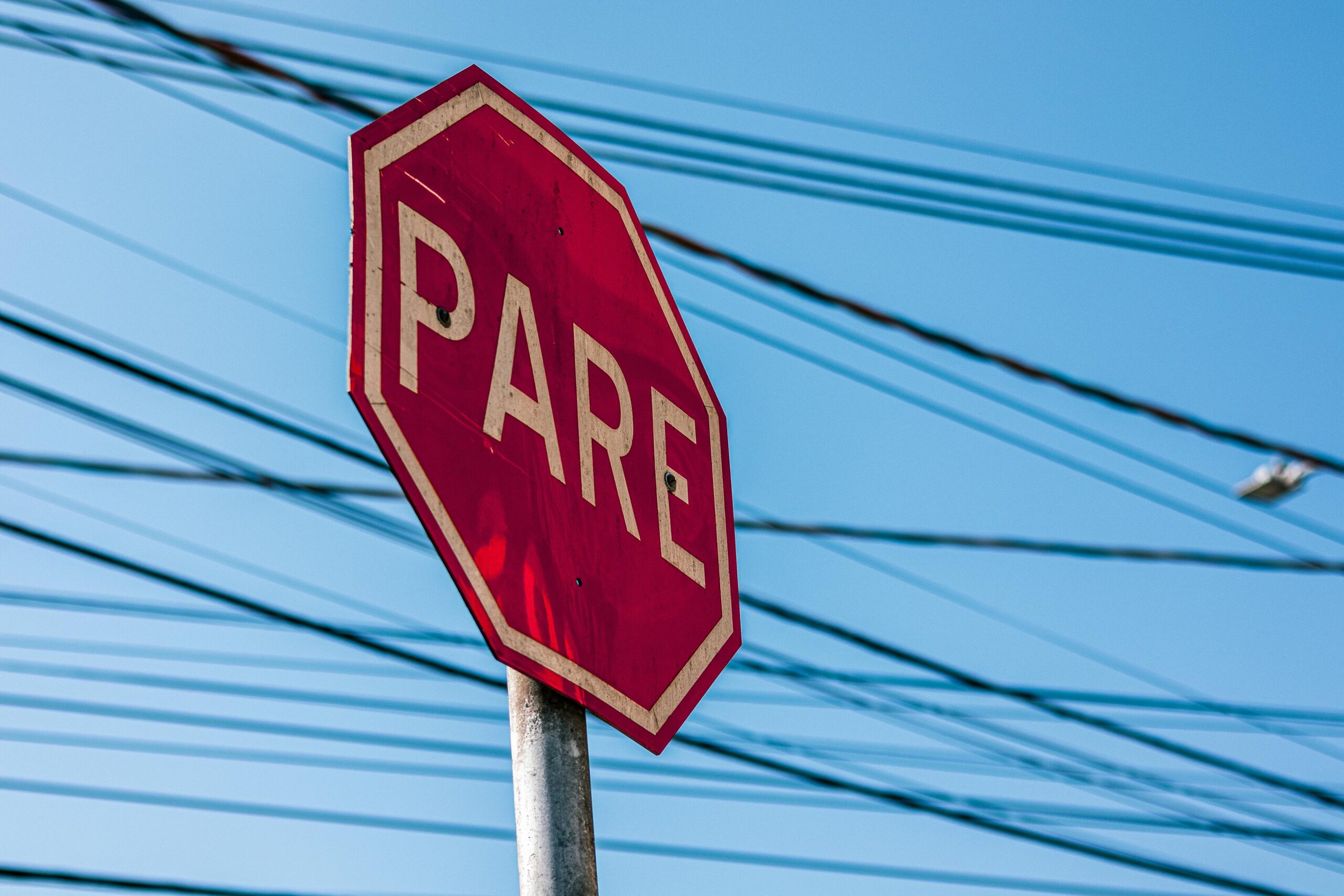
Stop signs are octagonal red signs with white lettering that command drivers to come to a complete halt before proceeding. The unique eight-sided shape makes stop signs recognizable even when covered with snow or viewed from behind. Drivers must stop at the marked line, crosswalk, or before entering the intersection, yielding to pedestrians and other vehicles.
Yield signs feature a downward-pointing triangle with a white background and red border. These signs require drivers to slow down and prepare to stop if necessary, giving right-of-way to other vehicles or pedestrians. Unlike stop signs, a complete stop isn’t mandatory if the way is clear, but drivers must be ready to yield.
Speed limit signs display the maximum legal speed for that particular stretch of road under ideal conditions. These rectangular white signs with black numbers vary based on road type, location, and traffic conditions. School zones, residential areas, highways, and construction zones each have specific speed regulations designed to maximize safety.
⚠️ Warning Signs: Alerts for Potential Hazards
Warning signs prepare drivers for upcoming road conditions or hazards by providing advance notice. These diamond-shaped signs typically feature a yellow background with black symbols or text, giving motorists time to adjust their speed and position accordingly.
Curve ahead signs indicate that the road will bend sharply in the indicated direction. These signs often include an advisory speed limit in a separate rectangular sign below, suggesting the safest maximum speed for navigating the curve. Sharp curves require reduced speed and increased attention to maintain vehicle control.
Pedestrian crossing signs alert drivers to areas where foot traffic frequently crosses the roadway. These signs appear near schools, parks, shopping districts, and residential areas. Drivers should slow down and remain vigilant for people entering the roadway, especially children who may act unpredictably.
Merge signs warn that two lanes of traffic will soon become one, requiring vehicles to zipper together smoothly. Proper merging etiquette involves taking turns and maintaining safe following distances. These signs help prevent aggressive driving behaviors and reduce collision risks during lane reductions.
Animal crossing signs indicate areas where wildlife frequently crosses roadways. Deer, elk, cattle, and other animals pose serious collision risks, particularly during dawn and dusk hours. These warnings are especially important in rural and wilderness areas where animal populations are dense.
📍 Guide Signs: Navigational Assistance for Travelers
Guide signs provide directional and mileage information to help drivers navigate to their destinations. These signs use various colors depending on the type of roadway and information being conveyed, making route planning and wayfinding significantly easier.
Interstate highway signs feature a distinctive shield shape with red, white, and blue coloring. The route number appears in white on a blue background, with even-numbered interstates running east-west and odd-numbered routes traveling north-south. Three-digit interstate numbers indicate auxiliary routes or bypasses around major cities.
Exit signs on highways provide advance notice of upcoming exits, typically appearing at one mile, half mile, and at the exit itself. These green signs display exit numbers, destinations, and sometimes available services. Exit numbering usually corresponds to mile markers, making distance calculation straightforward.
Street name signs appear at intersections to identify roads and help with navigation. Colors and styles vary by jurisdiction, but they commonly feature white lettering on green backgrounds. Some municipalities use different colors for different street types or historic districts.
Distance signs indicate how many miles remain to specific cities or destinations along the current route. These rectangular green signs help travelers plan rest stops, fuel purchases, and estimate arrival times. They’re particularly valuable on long highway journeys through unfamiliar territory.
🚧 Temporary Traffic Control Signs: Construction Zone Communications
Construction and maintenance work zones require special signage to protect both workers and motorists. These temporary signs typically feature orange backgrounds with black lettering or symbols, immediately distinguishing them from permanent traffic control devices.
Road work ahead signs provide advance warning that construction activities are occurring on or near the roadway. Drivers should reduce speed, increase following distance, and remain alert for workers, equipment, and changed traffic patterns. These zones often have reduced speed limits with increased penalties for violations.
Lane closure signs indicate which lanes will be blocked ahead and where traffic should merge. Arrows show the direction vehicles should move to avoid closed lanes. Early merging helps prevent bottlenecks and reduces aggressive driving behaviors near work zones.
Flagger ahead signs warn drivers that a person will be directing traffic manually. Flaggers use stop/slow paddles or flags to control traffic flow through work zones where normal signals may be impractical. Drivers must obey flagger instructions as they would standard traffic control devices.
Detour signs redirect traffic around closed roads or work zones using orange signs with black arrows and text. Following detour routes ensures travelers avoid impassable sections while maintaining progress toward their destinations. Multiple signs typically guide motorists through the entire alternate route.
🅿️ Service and Recreational Signs: Amenities and Attractions
Blue and brown signs provide information about services, facilities, and recreational opportunities available to travelers. These non-regulatory signs help drivers locate necessary amenities and points of interest without distracting from primary traffic control information.
Rest area signs use blue backgrounds with white symbols to indicate upcoming facilities where travelers can stop for breaks. Rest areas typically offer parking, restrooms, picnic areas, and sometimes vending machines or tourist information. These stops are essential for combating driver fatigue on long trips.
Gas, food, and lodging signs appear before highway exits, displaying available services at that location. Individual business logos or generic symbols indicate what’s available, helping travelers make informed decisions about when and where to exit for necessary services.
Hospital signs feature a white “H” on a blue background, directing motorists to medical facilities. These signs are critical during emergencies when immediate medical attention is needed. They appear on both highways and local roads near healthcare facilities.
Recreational area signs use brown backgrounds to indicate parks, campgrounds, historic sites, and scenic viewpoints. These signs help tourists find attractions and outdoor opportunities while distinguishing recreational information from regulatory or warning messages.
🔶 Special Purpose Signs: Unique Situations and Requirements
Certain traffic situations require specialized signage that doesn’t fit neatly into standard categories. These signs address specific circumstances, user groups, or regulatory requirements unique to particular locations or roadway types.
School zone signs alert drivers to areas where children are present during specific hours. These signs often include flashing lights that activate during school start and end times. Reduced speed limits and increased fines apply when children are present or lights are flashing.
Railroad crossing signs use a distinctive X-shaped crossbuck with “Railroad Crossing” text. Advanced warning signs featuring a circular yellow background with black “RR” and crossing lines appear before the actual crossing. Drivers must stop when lights flash or gates lower, never attempting to beat a train.
One-way signs indicate streets where traffic flows in only one direction. White arrows on black backgrounds show the permitted direction of travel. Wrong-way driving on one-way streets is extremely dangerous and often results from ignoring or misunderstanding these signs.
Handicapped parking signs designate spaces reserved for vehicles displaying proper disability permits or license plates. These signs include the international accessibility symbol and often specify penalties for unauthorized use. Accessible parking ensures people with mobility challenges can access buildings and services.
🎨 Understanding Sign Colors and Their Significance
The color coding system used in traffic signs provides instant visual communication about the type of information being conveyed. This standardization helps drivers process information quickly, even at highway speeds or in challenging conditions.
Red indicates stop, prohibition, or danger. Stop signs, yield signs, wrong-way signs, and do-not-enter signs all use red to command immediate attention and compliance. Red is also used on regulatory signs that prohibit specific actions like no parking or no left turn.
Yellow signals caution and warning. Warning signs about curves, intersections, pedestrian crossings, and other potential hazards use yellow backgrounds to alert drivers to proceed carefully. School zone signs also use yellow to emphasize the need for extra caution around children.
Green provides directional and navigational information. Highway exit signs, distance markers, and street name signs typically use green backgrounds. This color association with “go” and guidance helps drivers distinguish navigational information from regulatory or warning messages.
Blue indicates services and motorist assistance. Rest areas, hospitals, gas stations, food, and lodging signs use blue to help travelers locate necessary amenities. This color choice makes service information easily distinguishable from traffic control or warning signs.
Orange marks temporary traffic control in work zones. Construction signs, detour markers, and lane closure warnings use orange to indicate temporary conditions that differ from normal traffic patterns. The bright color ensures high visibility even in cluttered construction environments.
📐 Sign Shapes and Their Immediate Meanings
Just as colors communicate specific types of information, sign shapes provide instant recognition cues that drivers can process quickly. This redundancy ensures information gets through even when visibility is compromised or drivers are distracted.
Octagonal shapes appear exclusively on stop signs, making them recognizable even when text is obscured. The eight-sided shape is so distinctive that drivers can identify stop signs from any angle, including from behind, ensuring compliance even in adverse conditions.
Triangular signs indicate yield situations where drivers must be prepared to stop and give right-of-way. The downward-pointing triangle creates a distinct profile that’s easily recognized in peripheral vision, prompting appropriate caution when approaching yield situations.
Diamond-shaped signs exclusively convey warnings about road conditions or hazards ahead. This shape instantly alerts drivers to pay attention and prepare for changed conditions, whether curves, intersections, animal crossings, or other potential dangers.
Rectangular signs serve multiple purposes depending on orientation. Vertical rectangles typically indicate regulatory information like speed limits or parking rules, while horizontal rectangles provide guidance and directional information like exit numbers and distances.
Pentagon shapes mark school zones and school crossings, immediately identifying areas where children may be present. This unique five-sided shape helps drivers recognize school-related signs instantly, prompting appropriate speed reductions and increased vigilance.
🌙 Night Visibility and Reflective Technology
Traffic signs must remain visible and legible 24 hours a day, regardless of lighting conditions. Modern signs incorporate reflective materials and sometimes active illumination to ensure drivers can read them in darkness or poor weather.
Retroreflective sheeting covers most traffic signs, bouncing vehicle headlight beams back toward drivers. This technology makes signs appear to glow in headlights without requiring external power sources. Different grades of reflective material suit various applications, from neighborhood streets to high-speed highways.
Illuminated signs use internal or external lighting to enhance visibility in critical locations. These signs often mark important regulatory or warning situations where maximum visibility is essential. Airports, major intersections, and complex highway interchanges commonly feature illuminated signage.
LED-enhanced signs incorporate light-emitting diodes to create eye-catching displays that command attention. Flashing school zone signs, variable speed limit displays, and construction zone warnings increasingly use LED technology for superior visibility and lower energy consumption than traditional illumination methods.
🌍 International Sign Standards and Variations
While traffic sign principles remain relatively consistent worldwide, specific designs, colors, and symbols vary between countries and regions. Understanding these differences is crucial for international travelers and drivers operating vehicles in foreign jurisdictions.
The Vienna Convention on Road Signs and Signals established international standards adopted by many countries. This agreement promotes pictorial symbols over text, making signs understandable regardless of language. However, the United States and some other nations maintain their own systems with some variations.
European signs often use more pictorial representations with less text than American signs. Speed limits appear in kilometers per hour rather than miles per hour, and priority signs differ in design and placement. Travelers should study local traffic signs before driving in unfamiliar countries to ensure compliance and safety.
✅ Best Practices for Reading and Responding to Traffic Signs
Knowing what signs mean is only part of safe driving—recognizing and responding appropriately is equally important. Developing good habits around sign recognition helps prevent violations and accidents while making driving less stressful.
Scan ahead continuously rather than focusing only on the vehicle directly in front of you. This forward planning allows time to process sign information and respond smoothly without sudden braking or lane changes. Experienced drivers typically scan 12-15 seconds ahead on highways and 8-10 seconds on city streets.
Reduce distractions to ensure you don’t miss critical signs. Mobile phone use, eating, grooming, and other activities divert attention from the roadway and its signage. Missing a single sign can result in wrong-way driving, illegal turns, or failure to yield with potentially catastrophic consequences.
When uncertain about a sign’s meaning, err on the side of caution. Slow down, increase following distance, and proceed carefully until you understand the situation. Never assume you know what an unfamiliar sign means—consult resources or ask locals when traveling in new areas.
Regularly review traffic sign meanings, especially before license renewal or when traveling to areas with different conventions. Sign designs occasionally change as transportation agencies update standards for improved clarity and visibility. Staying current ensures you understand all the information being communicated on modern roadways.
Understanding traffic signs represents a fundamental responsibility for everyone who uses public roads. These visual communication tools exist to protect lives, prevent property damage, and facilitate efficient traffic flow. By learning what each sign means and responding appropriately, drivers contribute to safer roads for everyone—motorists, cyclists, and pedestrians alike. Taking time to truly understand signage rather than simply recognizing familiar patterns makes you a more competent, confident, and conscientious driver ready to handle whatever situations you encounter on the road.
