
Anúncios
Understanding traffic signs is essential for every driver and pedestrian. These symbols communicate vital rules, warnings, and guidance that keep our roads safe and organized for everyone.
Understanding Traffic Sign Categories

Access Official Resources
Traffic signs serve as the universal language of the road, transcending verbal communication barriers. Whether you’re a new driver preparing for your license test or a seasoned motorist refreshing your knowledge, understanding what each sign means can prevent accidents and save lives.
The standardized system of traffic signs has evolved over decades to create consistency across regions and countries. Each shape, color, and symbol has been carefully designed to convey information quickly and clearly, even at high speeds or in challenging weather conditions.
🚦 The Three Main Categories of Traffic Signs
Traffic signs are divided into three primary categories, each serving a distinct purpose on the road. Understanding these categories helps drivers quickly identify the type of information being communicated before even reading the specific message.
The classification system ensures that drivers can recognize the general nature of a sign from a distance, allowing them to prepare their response appropriately. This organizational structure is consistent across most countries, though specific designs may vary by region.
Regulatory Signs: The Rules You Must Follow
Regulatory signs are the most authoritative type of traffic signage. These signs inform drivers of traffic laws and regulations that must be obeyed. Violating the instructions on regulatory signs can result in fines, points on your license, or more serious legal consequences.
These signs typically feature rectangular shapes, though stop signs and yield signs are notable exceptions. The color scheme usually includes white backgrounds with black or red lettering, making them highly visible in various lighting conditions.
Common regulatory signs include:
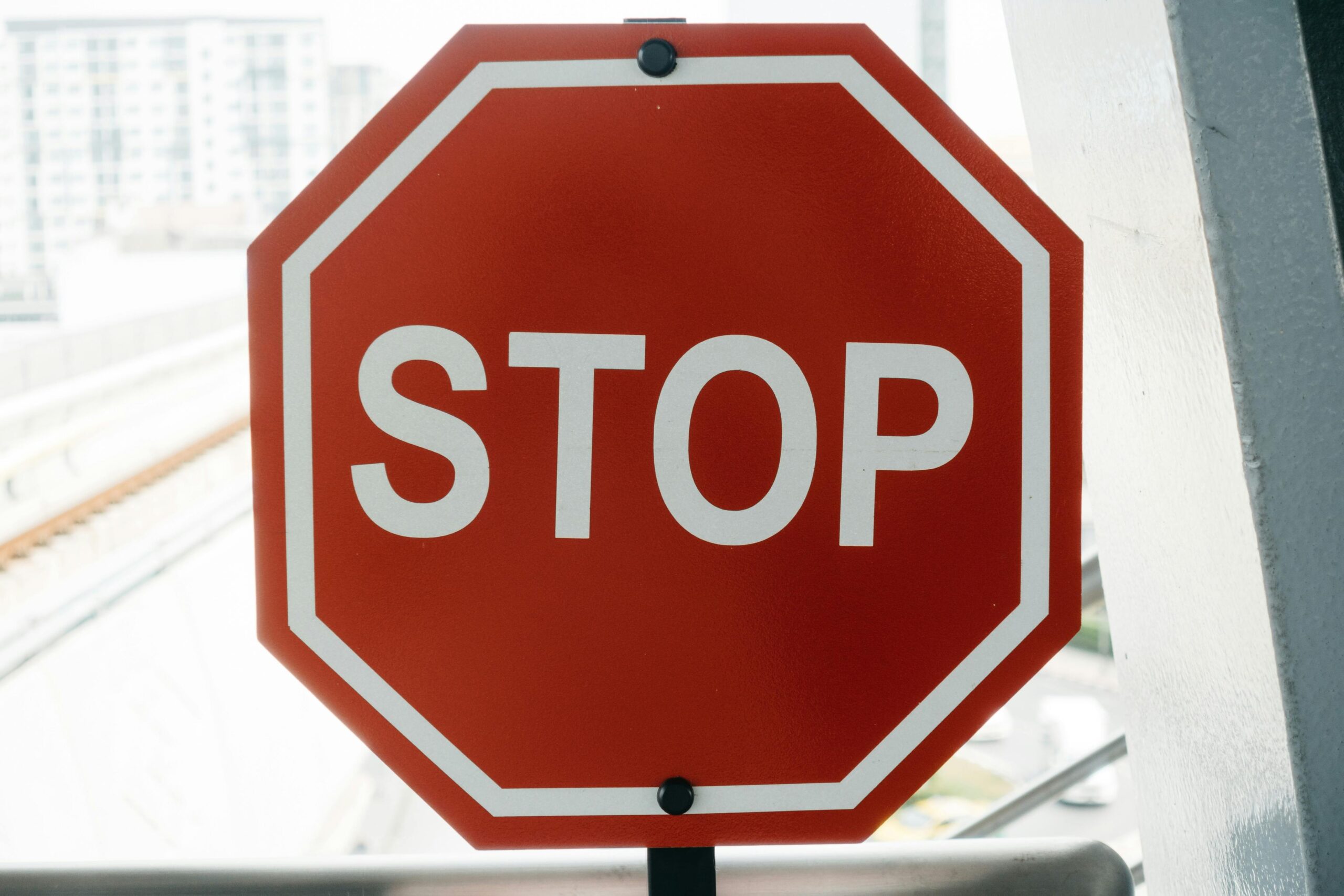
- STOP signs: Octagonal red signs requiring complete vehicle stops
- YIELD signs: Triangular signs indicating right-of-way requirements
- Speed limit signs: Rectangular white signs displaying maximum allowed speeds
- No entry signs: Circular signs with red borders prohibiting vehicle access
- One-way signs: Rectangular signs indicating permitted traffic direction
- Turn prohibition signs: Circular signs showing restricted turning movements
Warning Signs: Alerting You to Hazards Ahead ⚠️
Warning signs prepare drivers for potentially dangerous conditions or changes in road characteristics ahead. These signs don’t carry the legal weight of regulatory signs, but ignoring them can put you and others at risk.
Most warning signs feature a diamond shape with a yellow or orange background and black symbols or text. This distinctive appearance ensures they stand out from regulatory and guide signs, prompting drivers to increase their attention and adjust their driving accordingly.
Typical warning signs include:
- Curve ahead signs: Indicating upcoming turns requiring reduced speed
- Intersection warnings: Alerting to crossing traffic patterns
- Pedestrian crossing signs: Marking areas where foot traffic may enter roadways
- Animal crossing signs: Warning of wildlife activity zones
- Slippery road signs: Indicating reduced traction conditions
- Construction zone signs: Announcing temporary work areas and lane changes
Guide Signs: Helping You Navigate Successfully
Guide signs provide directional and informational assistance to help drivers reach their destinations efficiently. These signs offer location information, distance markers, route numbers, and points of interest without imposing requirements or warnings.
The color coding of guide signs varies based on the type of route or facility they indicate. Green signs typically mark highways and expressways, blue signs designate services and motorist facilities, and brown signs highlight recreational areas and cultural sites.
🔴 Decoding Colors: What Each Hue Means
Color coding is one of the most important aspects of traffic sign design. Each color conveys specific types of information, allowing drivers to categorize signs even before reading their text or symbols.
| Color | Meaning | Typical Use |
|---|---|---|
| Red | Stop, prohibition, danger | Stop signs, yield signs, wrong way signs |
| Yellow/Orange | Warning, caution | Curve warnings, construction zones, school areas |
| Green | Direction, guidance | Highway signs, distance markers, destination information |
| Blue | Motorist services | Rest areas, gas stations, hospitals, food services |
| Brown | Recreation, cultural interest | Parks, museums, historic sites, campgrounds |
| White | Regulation | Speed limits, parking rules, turn restrictions |
| Black | Regulation (on white) | Text and symbols on regulatory signs |
🔶 Shape Recognition: Instant Identification System
Beyond colors, the shape of traffic signs provides immediate recognition cues. This redundancy ensures that signs remain identifiable even when colors fade due to weather or when viewed under poor lighting conditions.
Octagon: Reserved exclusively for stop signs worldwide. The eight-sided shape is so distinctive that even without the word “STOP” or in faded conditions, drivers recognize the requirement to halt completely.
Triangle: Used primarily for yield signs, with the point facing downward. This unique orientation creates instant recognition and differentiates yield requirements from stop obligations.
Diamond: The standard shape for all warning signs. When drivers see a diamond-shaped sign, they immediately know to prepare for changing road conditions or potential hazards.
Rectangle: The most versatile shape, used for both regulatory and guide signs. Vertical rectangles typically indicate regulations, while horizontal rectangles usually provide guidance and directional information.
Pentagon: Exclusively used for school zone and school crossing signs. This unique shape ensures maximum attention in areas where children may be present.
Circle: Often indicates railroad crossings or prohibitions. The circular shape with specific symbols creates clear, unambiguous messages about restrictions.
🚸 Special Category Signs You Need to Know
School Zone Signs
School zone signs deserve special attention as they indicate areas with heightened pedestrian activity involving children. These signs typically feature fluorescent yellow-green backgrounds for maximum visibility and often include flashing beacons during school hours.
When entering a school zone, drivers must reduce speed significantly, remain vigilant for crossing children, and follow crossing guard instructions. Many jurisdictions impose doubled fines for violations within school zones.
Construction and Work Zone Signs 👷
Construction zone signs feature orange backgrounds with black text and symbols. These temporary signs warn of changing traffic patterns, reduced speed limits, lane closures, and the presence of workers and equipment.
Work zones represent some of the most dangerous areas on roadways for both workers and motorists. Paying careful attention to construction zone signage and reducing speed appropriately is crucial for everyone’s safety.
Railroad Crossing Signs
Railroad crossings require special signage due to the extreme danger trains pose to vehicles. The circular yellow sign with an “X” and two “R” letters warns of an upcoming crossing, while crossbuck signs at the crossing itself mark the exact location.
Many railroad crossings also feature flashing lights and gates that activate when trains approach. Drivers must always stop when these signals activate and never attempt to cross while barriers are lowering or raised.
🅿️ Parking and Standing Regulations
Parking signs communicate complex regulations about where, when, and for how long vehicles may park or stand. These signs often combine multiple pieces of information, including time restrictions, day-of-week limitations, and permit requirements.
Reading parking signs carefully prevents tickets and towing. When multiple signs are posted together, all restrictions apply simultaneously. For example, a spot might allow two-hour parking except during street cleaning hours or permit-only times.
Common parking sign elements:
- Green signs: Indicate times when parking is permitted
- Red signs: Show when parking is prohibited
- Arrows: Define the zone where restrictions apply
- Time limits: Specify maximum parking duration
- Day restrictions: Indicate which days rules are enforced
🛣️ Highway and Interstate Signage
Highway signs provide crucial navigation information at high speeds. Interstate signs feature red, white, and blue shield designs with the route number prominently displayed. Even-numbered interstates generally run east-west, while odd-numbered routes run north-south.
Mile markers along highways serve multiple purposes beyond distance tracking. They help emergency services locate incidents precisely and assist drivers in determining their exact position. Mile markers increase from west to east and south to north.
Exit signs appear one mile, half-mile, and at the exit itself, giving drivers adequate time to safely change lanes. Exit numbers typically correspond to mile markers, making it easier to calculate distances between exits.
🚨 Understanding Supplemental Plaques
Many traffic signs include supplemental plaques that modify or clarify the main sign’s message. These rectangular additions appear below the primary sign and provide additional context such as distances, times, or specific conditions.
For example, a curve warning sign might include a plaque showing “35 MPH” to indicate the safe speed for navigating the curve. A pedestrian crossing sign might have a plaque reading “SCHOOL” to emphasize the presence of children.
Time-based plaques specify when certain restrictions apply, such as “MON-FRI 7AM-9AM” for peak-hour regulations. Paying attention to these supplemental details ensures full compliance with traffic laws and maximizes safety.
📱 Digital and Dynamic Message Signs
Modern roadways increasingly feature electronic message boards that display real-time information about traffic conditions, weather hazards, amber alerts, and travel times. These dynamic signs complement traditional static signage by providing timely, changeable information.
Variable speed limit signs adjust maximum speeds based on current traffic flow, weather conditions, or construction activities. Following these dynamic limits helps maintain traffic flow and prevents accidents during challenging conditions.
Travel time signs help drivers make informed decisions about route selection by displaying estimated minutes to major destinations. This information can encourage drivers to use alternate routes during congestion, distributing traffic more evenly across the road network.
🌍 International Sign Conventions
While traffic sign systems share many similarities worldwide, international travelers should familiarize themselves with local variations. The Vienna Convention on Road Signs and Signals established international standards, but implementation varies by country.
European countries often use more pictorial symbols with less text compared to North American signs. Speed limit signs in most countries display kilometers per hour rather than miles per hour. Understanding these differences before traveling internationally prevents confusion and violations.
💡 Best Practices for Reading Traffic Signs
Effective sign reading requires constant attention and proper scanning techniques. Drivers should regularly check for signs while maintaining awareness of surrounding traffic, using peripheral vision to spot signs early without taking eyes off the road for extended periods.
When approaching unfamiliar areas, reduce speed slightly to allow more time for sign processing. In complex intersections with multiple signs, prioritize regulatory signs first, followed by warnings, then guidance information.
Key tips for sign awareness:
- Scan ahead regularly to spot signs at appropriate distances
- Process shape and color before reading detailed text
- Never focus on signs so intently that you neglect traffic conditions
- When confused, follow the most conservative interpretation
- Use GPS and mapping apps as supplements, not replacements for sign reading
- Pay extra attention in unfamiliar areas where sign placement may differ
🔧 What to Do When Signs Are Missing or Damaged
Occasionally, drivers encounter missing, damaged, or vandalized signs. When critical regulatory signs are compromised, proceed with extreme caution and follow general traffic rules. At unmarked intersections, treat them as all-way stops unless another driver clearly has right-of-way.
Report damaged or missing signs to local traffic authorities promptly. Most municipalities provide hotlines or online systems for reporting sign issues. Your report helps maintain road safety for all users and may prevent accidents.
🎓 Continuous Learning and Sign Updates
Traffic sign systems evolve periodically to address new safety concerns and incorporate better designs. New symbols appear for emerging issues like electric vehicle charging stations, bicycle facilities, and roundabouts. Staying informed about these changes ensures you remain a knowledgeable, safe driver.
Many transportation departments offer refresher courses and online resources about current sign meanings. Taking advantage of these educational opportunities, especially after extended periods without driving or when relocating to new areas, helps maintain road safety competency.
Understanding traffic signs represents a fundamental responsibility of road use. These carefully designed symbols protect lives by communicating essential information quickly and clearly. Whether you’re learning to drive or simply refreshing your knowledge, recognizing what each sign means empowers you to navigate roads safely and confidently. The few seconds spent properly reading and responding to traffic signs can make the difference between reaching your destination safely and experiencing a preventable accident. Make sign awareness a constant priority every time you drive.
