
Anúncios
Your Path to Credit Card Approval
Getting approved for a credit card can feel like trying to unlock a secret door. You fill out the application, hit submit, and then wait anxiously for a response. But here’s the truth: credit card approval isn’t a mystery—it’s a process based on specific criteria that you can actually influence and improve.

Get Approved Today
Whether you’re applying for your first credit card or you’ve faced rejections in the past, understanding what lenders look for and how to position yourself as a low-risk borrower can dramatically increase your chances of hearing that sweet “yes.” 💳✨
Understanding What Credit Card Issuers Really Want
Before diving into strategies, it’s essential to understand the mindset of credit card companies. These financial institutions aren’t just handing out plastic for fun—they’re making business decisions based on risk assessment. When you apply for a credit card, the issuer is essentially asking: “Will this person pay us back?”
Credit card companies evaluate applicants using several key factors. Your credit score sits at the top of this list, acting as a numerical representation of your creditworthiness. But it’s not the only consideration. Issuers also examine your income level, employment stability, existing debt obligations, and your history with credit products.
The approval process happens through automated systems that analyze your application against predetermined criteria. Some applications receive instant decisions, while others require manual review by underwriters. Understanding this process helps you prepare accordingly and set realistic expectations.
The Credit Score Foundation 📊
Your credit score is the single most influential factor in credit card approval decisions. This three-digit number typically ranges from 300 to 850 and serves as a quick snapshot of your credit behavior over time.
Know Your Score Before Applying
One of the biggest mistakes applicants make is applying blindly without knowing their credit score. Checking your score beforehand gives you realistic expectations and helps you target appropriate cards for your credit tier.
You can access your credit score through various free services, many banks’ mobile apps, or directly from credit bureaus. Different scoring models exist (FICO, VantageScore), and they may produce slightly different numbers, but they generally paint a similar picture of your credit health.
Here’s a general breakdown of credit score categories:
- Excellent (750+): Qualifies for premium rewards cards with the best perks
- Good (700-749): Eligible for most standard credit cards with decent benefits
- Fair (650-699): May qualify for cards with moderate terms or secured options
- Poor (Below 650): Limited to secured cards or credit-building products
Improving Your Credit Score Strategically
If your score needs work, don’t despair. Credit scores are dynamic and respond to positive financial behavior. Focus on these high-impact activities:
Pay all bills on time. Payment history accounts for roughly 35% of your FICO score, making it the most significant factor. Set up automatic payments or calendar reminders to never miss a due date. Even one late payment can damage your score for months.
Reduce credit utilization. This ratio compares your credit card balances to your credit limits. Keeping utilization below 30%—ideally below 10%—signals responsible credit management. If you have a $5,000 credit limit, try to keep balances under $1,500, preferably under $500.
Avoid closing old accounts. The length of your credit history matters. That old card you never use? Keeping it open actually helps your score by increasing your average account age and total available credit.
Income and Employment Stability Matter More Than You Think
While credit scores grab most of the attention, your income plays a crucial supporting role. Credit card issuers need confidence that you have the financial means to repay what you borrow.
When listing income on applications, you can include your salary, wages, tips, bonuses, investment income, retirement distributions, and even spousal income if you have reasonable access to it. Be honest but comprehensive—underselling your income can lead to unnecessary rejections.
Employment stability also factors into approval decisions. Someone who’s held the same job for three years appears less risky than someone who changes employers every six months. If you’re between jobs or recently started a new position, you might consider waiting until you have more employment stability before applying.
The Debt-to-Income Ratio Secret 🔍
Your debt-to-income (DTI) ratio compares your monthly debt payments to your gross monthly income. While more commonly discussed in mortgage lending, credit card issuers definitely consider this metric when evaluating applications.
Calculate your DTI by adding up all monthly debt obligations (credit cards, car loans, student loans, mortgage, personal loans) and dividing by your gross monthly income. For example, if you have $1,500 in monthly debt payments and earn $5,000 monthly, your DTI is 30%.
Generally, keeping your DTI below 36% puts you in a favorable position for credit card approval. Higher ratios signal that you’re already stretched thin financially, making issuers hesitant to extend additional credit.
To improve your DTI, you have two options: increase income or decrease debt. The latter is usually more controllable in the short term through aggressive debt repayment strategies.
Choosing the Right Card for Your Profile
Not all credit cards are created equal, and applying for cards that don’t match your credit profile is a recipe for rejection. Each card has target demographics and credit requirements, though these aren’t always explicitly stated.
Match Cards to Your Credit Tier
Premium travel rewards cards typically require excellent credit and significant income. If your score sits in the fair range, applying for these cards wastes an application and creates a hard inquiry on your report.
Research cards designed for your credit level. Many issuers offer tiered product lines: entry-level cards for fair credit, mid-tier cards for good credit, and premium cards for excellent credit. Starting with the appropriate tier increases your approval odds dramatically.
Secured credit cards offer another pathway for those with limited or damaged credit. These require a refundable security deposit that becomes your credit limit, essentially eliminating the issuer’s risk while allowing you to build positive credit history.
Consider Your Existing Relationships
Banks often show preference to existing customers. If you have a checking or savings account with a particular bank, applying for their credit cards may yield better results. Some institutions even offer pre-approval or pre-qualification checks that don’t impact your credit score.
The Application Process: Details That Determine Approval ✍️
How you complete the application itself can influence the outcome. Small mistakes or oversights can trigger rejections even when you otherwise qualify.
Accuracy is non-negotiable. Every piece of information you provide will be verified. Discrepancies between your application and credit report data raise red flags. Double-check your Social Security number, address, employment information, and income figures before submitting.
Be honest about income. While you should include all qualifying income sources, inflating numbers is fraudulent and can lead to immediate rejection or account closure if discovered later.
Mind the timing. Applying for multiple credit cards in a short period creates numerous hard inquiries, which temporarily lower your score and make you appear desperate for credit—both approval killers. Space out applications by at least three to six months.
Addressing Past Credit Mistakes
Previous financial missteps don’t permanently disqualify you from credit card approval, but they do require strategic management. Late payments, collections, charge-offs, and bankruptcies all damage your credit, but their impact diminishes over time.
Focus on building positive credit history that outweighs the negative marks. As negative items age, they hurt your score less, and most fall off your credit report entirely after seven years (bankruptcies after ten years).
If you have recent collections or charge-offs, consider negotiating payment arrangements or pay-for-delete agreements before applying for new credit. A paid collection looks better than an unpaid one, and some creditors will remove the tradeline entirely in exchange for payment.
The Pre-Approval Advantage
Many credit card issuers offer pre-approval or pre-qualification tools that let you check your approval odds without a hard credit inquiry. These soft pulls don’t affect your credit score and provide valuable insight into which cards you’re likely to receive.
Pre-approval isn’t a guarantee—you still need to complete a full application—but it significantly increases your chances. If you’re pre-approved, the issuer has already reviewed key aspects of your credit profile and determined you meet their basic criteria.
Check pre-approval offers directly on issuers’ websites or through multi-card comparison tools that check multiple issuers simultaneously. This strategy lets you shop efficiently without damaging your credit score through multiple applications.
Building Credit When You’re Starting From Zero 🌱
If you’re new to credit with no established history, approval can be challenging because issuers have no data to assess your creditworthiness. However, several pathways exist for credit-building:
Secured credit cards remain the most reliable option for credit newcomers. Your security deposit minimizes the issuer’s risk while letting you demonstrate responsible credit behavior. After six to twelve months of on-time payments, many issuers graduate you to an unsecured card and return your deposit.
Student credit cards target college students with limited credit history. These cards typically have lower credit limits and fewer rewards but accept applicants with thin credit files.
Becoming an authorized user on someone else’s credit card lets you benefit from their positive payment history. Choose someone with excellent credit habits and a long-standing account for maximum benefit.
Credit-builder loans offer another alternative. These small loans place borrowed funds in a locked savings account while you make payments. Once paid off, you receive the funds and have established positive payment history.
What to Do After Rejection ❌
Receiving a rejection letter stings, but it’s not the end of your credit card journey. Federal law requires issuers to explain why they denied your application, providing valuable insights for improvement.
Common rejection reasons include insufficient income, too many recent credit inquiries, limited credit history, or too many existing accounts with the issuer. Understanding the specific reason guides your next steps.
After rejection, resist the urge to immediately apply elsewhere. Multiple rejections compound the problem by adding hard inquiries without new credit. Instead, take time to address the issues that led to denial.
Some issuers allow reconsideration requests where you can call and speak with an underwriter about your application. If you have legitimate reasons that strengthen your case—recent income increase, paid-off debt, or errors in your credit report—reconsideration might overturn the decision.
The Waiting Game: Strategic Timing for Applications ⏰
Patience plays an underappreciated role in credit card approval success. Timing your applications strategically maximizes approval chances and minimizes negative impacts.
After being rejected, wait at least three to six months before reapplying, using that time to improve whatever factors led to denial. This gap allows hard inquiries to age, gives you time to improve your credit score, and demonstrates to issuers that you’re not desperately seeking credit.
If you’re planning a major purchase requiring financing—like a mortgage or car loan—avoid applying for credit cards in the months leading up to it. Multiple new accounts and inquiries can negatively impact those more significant lending decisions.
The best time to apply is when your credit profile is strongest: after receiving a raise, following several months of low credit utilization, or after negative items have aged on your report.
Leveraging Technology and Tools for Better Outcomes
Modern technology offers numerous resources to improve your approval odds. Credit monitoring services alert you to changes in your credit report, helping you spot errors or fraud quickly. Many are free and provide regular score updates.
Budgeting apps help you manage income and expenses more effectively, ensuring you maintain the financial stability that supports approval. Some even offer features specifically designed to optimize credit utilization.
Financial calculators let you model different scenarios—how paying down debt affects your DTI, how utilization changes impact your score, or how long it takes negative marks to fall off your report.
Your Approval Journey Starts Now 🚀
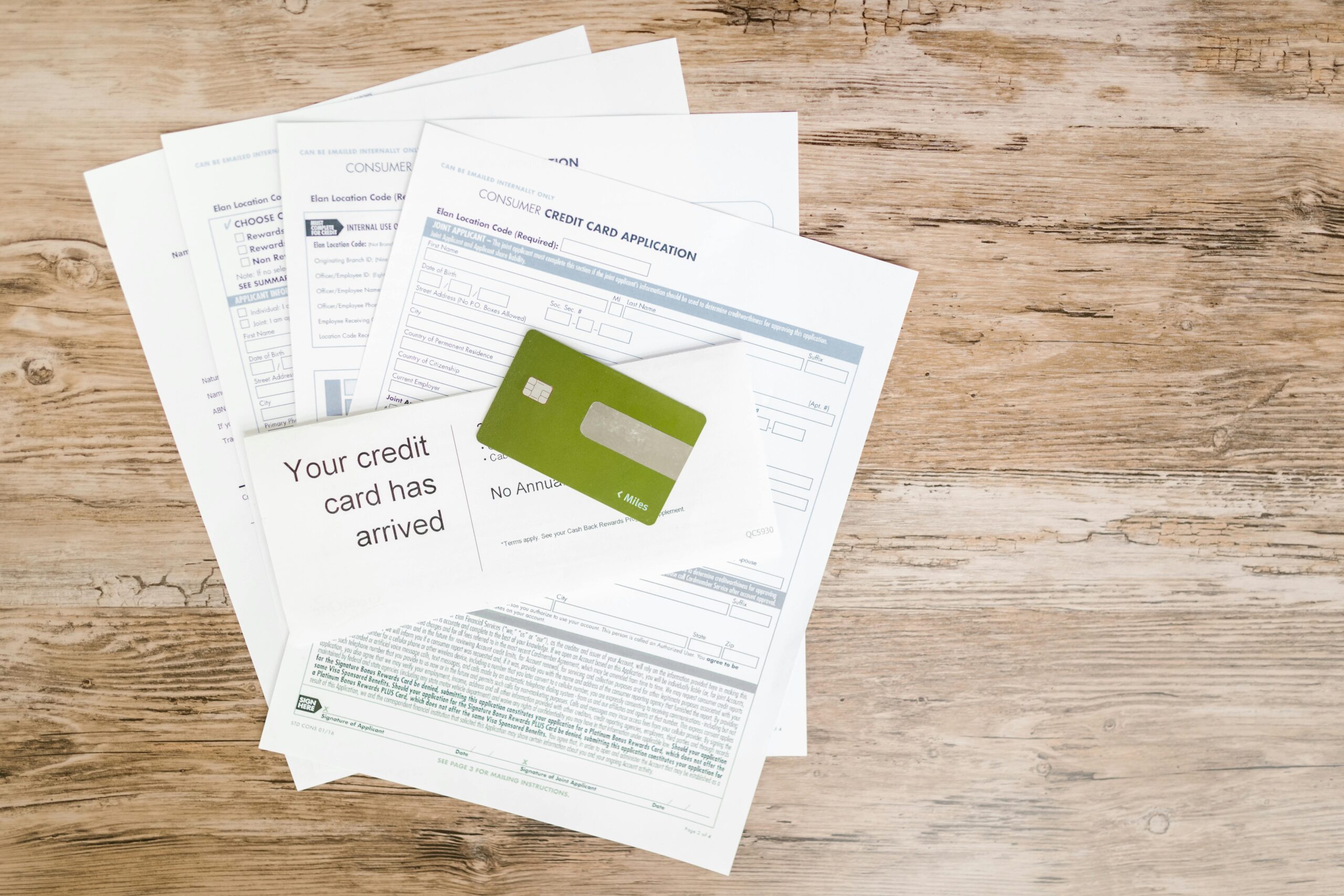
Credit card approval isn’t about luck—it’s about preparation, strategy, and understanding how the system works. By focusing on the key factors issuers evaluate, improving your financial profile before applying, and choosing cards that match your credit tier, you dramatically increase your approval chances.
Remember that building creditworthiness is a marathon, not a sprint. Small, consistent actions compound over time into significant improvements. Pay bills on time, keep balances low, maintain stable employment, and gradually your credit profile transforms into one that issuers eagerly approve.
Every financial journey is unique, and setbacks are normal. What matters most is learning from rejections, continuously improving your financial habits, and persisting toward your goals. The credit card that seems out of reach today becomes entirely achievable with the right approach and enough time.
Start by checking your credit score today, identifying areas for improvement, and creating a realistic timeline for application. Your approval isn’t a matter of if—it’s a matter of when you’re properly prepared. Take control of your credit destiny, and that acceptance letter will arrive sooner than you think. 💪
